
Flowers
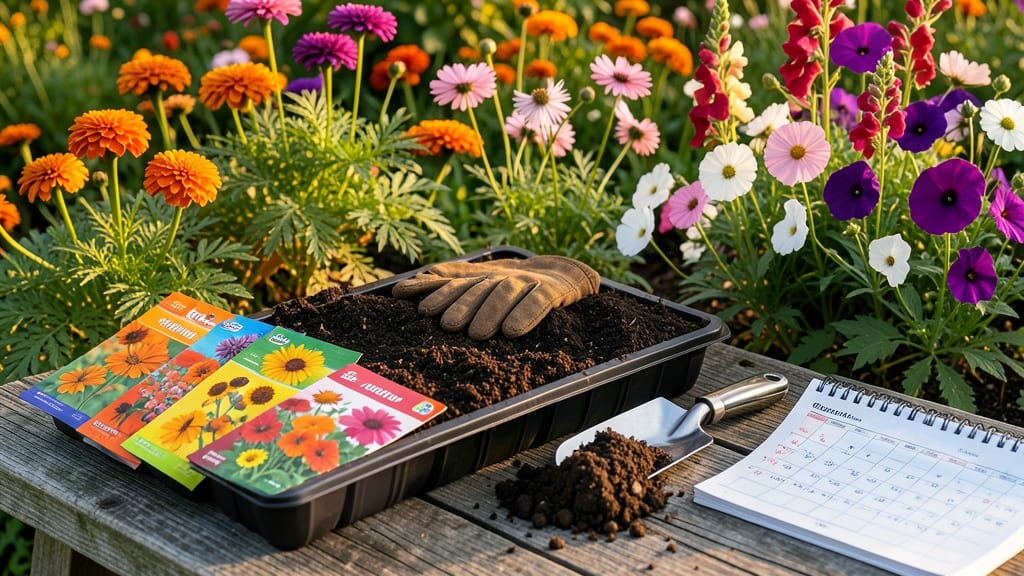
Planting flower seeds in Kansas at the right time means the difference between a garden bursting with 🌸 color and a sad investment in seeds that never sprout.
Timing is everything when planting flower seeds in Kansas—get it wrong, and your blooms may never make it past the frost. But with Kansas’ unpredictable climate, knowing the exact frost-free deadlines for your region can mean the difference between a vibrant garden and a wasted seed packet.
Most of Kansas falls in USDA Zones 5b-7a, where the last frost typically arrives between mid-April and early May. That means your window for planting spring-blooming flowers is tight—wait too long, and you risk stunted growth or no blooms at all.
Below, I break down the best months to plant by region, how to prep your soil for Kansas’ clay-heavy ground, and whether to start seeds indoors or sow directly. Let’s make sure your flower seeds thrive, not just survive.
Kansas frost-free dates by region: critical planting windows for flower seeds
Kansas’ frost-free dates vary dramatically from west to east, making regional precision essential for flower seed success. In USDA Zones 5b-7a, your planting window can shift by weeks—sometimes even 10-14 days—depending on whether you’re in western Kansas (drier, warmer) or eastern Kansas (more humid, cooler).
Missing these deadlines risks seedling frost damage or stunted growth, especially for tender annuals like petunias and marigolds.
For cold-hardy perennials (e.g., coneflowers, black-eyed Susans), you can push planting dates earlier, but annuals need warmth to germinate. The average last frost date hovers around mid-April statewide, but late spring frosts (even in May) can still strike—especially in Central Kansas.
Here’s the breakdown you need to plan your flower seed schedule with confidence, including early-spring and late-spring options for resilient varieties.
If you’re in Western Kansas, you can start tender annuals like marigolds as early as late April, but Central and Eastern Kansas gardeners should wait until mid-May to avoid late frost risks.
For perennials, like coneflowers, you can sow seeds 2-3 weeks earlier than annuals, as they tolerate cooler soil.
Pro tip: Use row covers or cold frames to extend your planting window by 2-3 weeks in early spring. This is especially useful for slow-germinating seeds like larkspur or hollyhocks, which need consistent warmth to sprout.
I’ve even started petunia seeds indoors in mid-March under grow lights to get a head start on the season.
For fall planting, aim to sow perennial seeds like asters or goldenrod between August 15 and September 15. These cool-season bloomers establish roots before winter and reward you with early spring color. Just avoid planting annuals in fall—they won’t survive Kansas’ first frost.
Always check your local weather forecasts in late April for late frost warnings. I’ve lost more than one batch of basil seedlings to a May frost in Central Kansas, so I now monitor the
Best flowers to plant by month in Kansas: a month-by-month survival guide
Kansas’ unpredictable climate makes timing everything when planting flowers. March through May are your golden months, but each has unique opportunities. Cold-hardy annuals like pansies and snapdragons can brave early spring, while heat-lovers like zinnias thrive in summer. Let’s break it down month by month to maximize your blooms.
Before planting, test your soil—Kansas’ clay-heavy soil needs compost or sand for drainage. Most flowers need 6+ hours of sun, but a few (like impatiens) tolerate shade. Watch for Japanese beetles and aphids, common Kansas pests that can devastate tender blooms if unchecked.
🌱 Kansas Flower Planting Calendar
- March: Pansies & Snapdragons (cold-hardy annuals). Start calendula indoors for late spring.
- April: Petunias & Marigolds (direct sow after last frost). Sweet Alyssum for pollinators.
- May: Cosmos & Zinnias (drought-tolerant). Sunflowers for height and pollinator appeal.
- June: Lantana & Portulaca (heat-loving annuals). Succession plant bachelor buttons.
- August: Mums & Astors (fall bloomers). Start cold-hardy perennials like black-eyed Susans.
⚠️ Pro Tip: Use row covers for early March plantings to protect from late frosts.
For March plantings, focus on cool-season flowers like stock and sweet peas.
These thrive in 50–60°F soil and can handle light frosts. Direct sow snapdragons 4–6 weeks before your last frost date—typically mid-March in western Kansas and late March in the east. Mulch heavily to retain moisture in the windy spring.
April is prime time for colorful annuals like geraniums and impatiens. These need well-draining soil and consistent moisture. Avoid overcrowding—thin seedlings to 12–18 inches apart for airflow. Marigolds are a must for pest deterrence, especially against nematodes in Kansas’ heavy clay.
By May, heat-tolerant zinnias and cosmos take center stage. These drought-resistant bloomers need full sun and minimal fertilizer—too much nitrogen reduces flowering. Deadhead regularly to encourage continuous blooms. Watch for spider mites in dry spells; spray plants with water to deter them.
Don’t forget fall plantings! Chrysanthemums and pansies planted in August–September will reward you with early autumn color. Perennials like coneflowers can be sown in late summer for next year’s blooms. Mulch with straw to protect roots from temperature swings.