
Planting
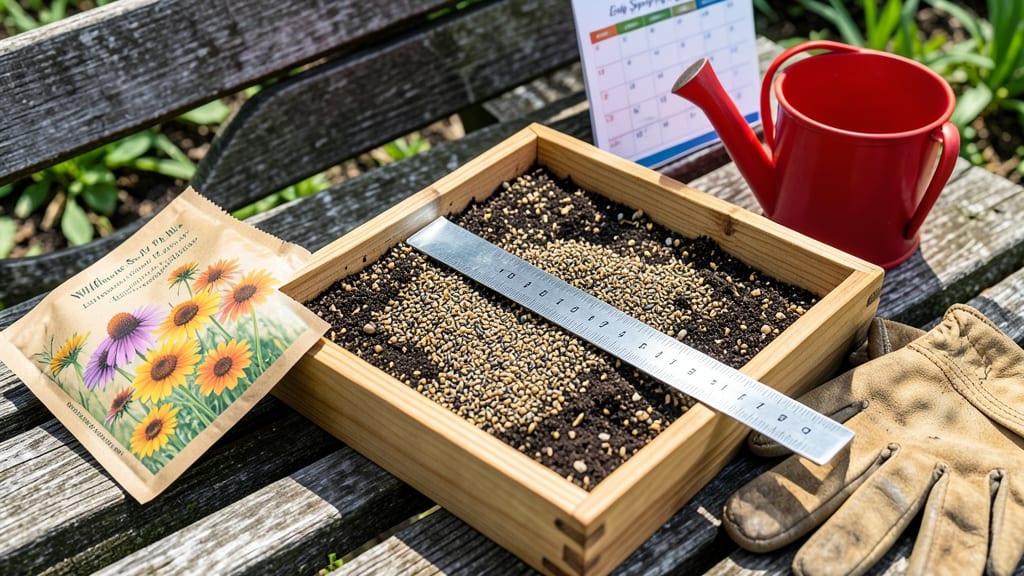
Sow wildflower seeds in Zone 6 during early spring or late summer for the most vibrant blooms 🌼 — timing is everything to avoid sparse growth or invasive weeds.
If you’ve ever watched a patch of wildflowers fail to thrive, it’s likely because you planted too early or too late. Zone 6’s frost dates (mid-April and mid-October) create a narrow window for success, and missing it means struggling with slow germination or weeds stealing the show.
Spring sowing is ideal for annuals, while fall planting gives perennials a head start. Both seasons offer unique advantages, from warmer soil in spring to fewer pests in fall.
Below, I’ll break down the exact frost-date timeline for your region, plus soil prep tips to ensure your seeds take root like a dream.
You’ll discover how to choose the right seed mix for your climate, avoid common mistakes, and keep your wildflower meadow thriving year after year—no guesswork required.
Zone 6 wildflower planting timeline by frost dates: best months for spring and fall sowing
Timing your wildflower seeds correctly in Zone 6 is the secret to a lush, blooming meadow—whether you're planting annuals for quick color or perennials for long-term beauty.
With last frost dates ranging from April 15–May 1 and first frosts hitting October 15–November 15, you’ve got two prime windows to sow: spring and fall. But regional microclimates—like the cooler Appalachian foothills or warmer Piedmont valleys—can shift these dates by weeks.
Let’s break it down so you never miss the perfect moment.
Spring planting in Zone 6 is all about beating the last frost while giving seeds time to germinate before summer heat sets in.
For annual wildflowers, aim for March–April in most areas, but adjust for your local frost history. Perennial wildflowers, which often need 2–3 years to establish, benefit from an early spring start (late February–March) to build strong roots before summer.
Fall planting, on the other hand, leverages cool soil temperatures and consistent moisture to reduce weed competition and boost germination rates. This is especially critical for native perennials like black-eyed Susans or coneflowers, which thrive when sown 6–8 weeks before your first frost.
| Planting Window | Best Months | Seed Type | Soil Temp for Germination | Key Consideration |
|---|---|---|---|---|
| Spring Planting | Late March–April | Annual Wildflowers | 50–60°F | Avoid late frosts; water lightly daily |
| Spring Planting | Late February–March | Perennial Wildflowers | 45–55°F | Establish roots before summer drought |
| Fall Planting | August–September | Annual & Perennial | 60–70°F (soil) | Reduce weed competition; mulch lightly |
| Fall Planting (Late) | October (if frost-free) | Hardy Perennials | 55–65°F | Risk of winter kill; protect with mulch |
If you’re in the Piedmont region of Zone 6, where summers are hotter and drier, lean toward early spring sowing (March) to give seeds time to germinate before the heat peaks.
In contrast, the Appalachian foothills have cooler summers and later frosts, so you can safely plant annuals as late as mid-April without risking frost damage.
For fall planting, the Piedmont’s earlier first frost (around October 15) means you should sow by mid-August, while Appalachian gardeners can extend planting until early September.
Pro tip: Use a soil thermometer to confirm germination-ready temperatures. Most wildflower seeds need soil temps between 50–70°F, but cool-season varieties like bluebonnets or lupines can germinate at 40–50°F.
If your soil is too cold, wait a few days or use a black plastic mulch to warm it up faster. And remember: lightly raking the soil surface after sowing (no deeper than 1/4 inch) mimics natural conditions and encourages germination.
For annual wildflowers, which complete their life cycle in one season, spring planting is your best bet.
These seeds germinate quickly and produce colorful blooms within 6–8 weeks, making them ideal for quick meadow establishment. Perennial wildflowers, however, reward patience—planting them in early spring or fall gives them time to develop deep roots before summer stress or winter dormancy. If you’re sowing <
How to choose wildflower seed mixes for Zone 6’s climate: drought-tolerant vs. moisture-loving varieties
Zone 6’s hot summers and variable rainfall demand smart wildflower seed choices. Native species like black-eyed Susans and coneflowers thrive here, while non-native options may struggle with drought stress or soil compaction. Your climate’s sandy loam or clay-heavy soil will also dictate which mix succeeds.
Drought-tolerant mixes like Prairie Sun or Golden Meadow feature deep-rooted perennials that survive 60+°F summers with minimal water. Moisture-loving blends, however, include wild bergamot or swamp milkweed for well-drained but damp areas. Always check seed labels for Zone 6 compatibility.
Soil prep is critical: loosen top 2 inches of soil, remove debris, and rake lightly to create a fine seedbed. For clay soil, amend with compost or sand to improve drainage. Full sun exposure (6+ hours daily) maximizes blooms, but partial shade works for moisture-loving varieties.
Drought-Tolerant Seed Mixes
- Low water needs after establishment
- Supports pollinators year-round
- Perennial varieties return annually
- Slower initial growth in clay soil
- Limited color variety in some mixes
Moisture-Loving Seed Mixes
- Vibrant blooms in shady spots
- Attracts hummingbirds and bees
- Faster germination in moist soil
- Requires consistent moisture
- May need annual replanting
For full sun gardens, prioritize native grasses like little bluestem alongside black-eyed Susans. In partial shade, opt for wild columbine or Virginia bluebells, which tolerate 4–6 hours of sun. Always test your soil’s pH (6.0–7.0 ideal) and adjust with lime or sulfur if needed.
After sowing, mulch lightly with straw or leaves to retain moisture without smothering seeds. Water gently daily until sprouts appear (7–14 days). Once established, drought-tolerant mixes need water every 10–14 days, while moisture-loving varieties may require weekly deep watering during dry spells.
My top recommendation for Zone 6: mix 50% native perennials (e.g., coneflowers) with 30% annuals (e.g., cosmos) for year-round color. Avoid invasive species like Johnson grass, which outcompete wildflowers. With the right mix, your meadow will thrive for years with minimal effort! 🌻