
Vegetables
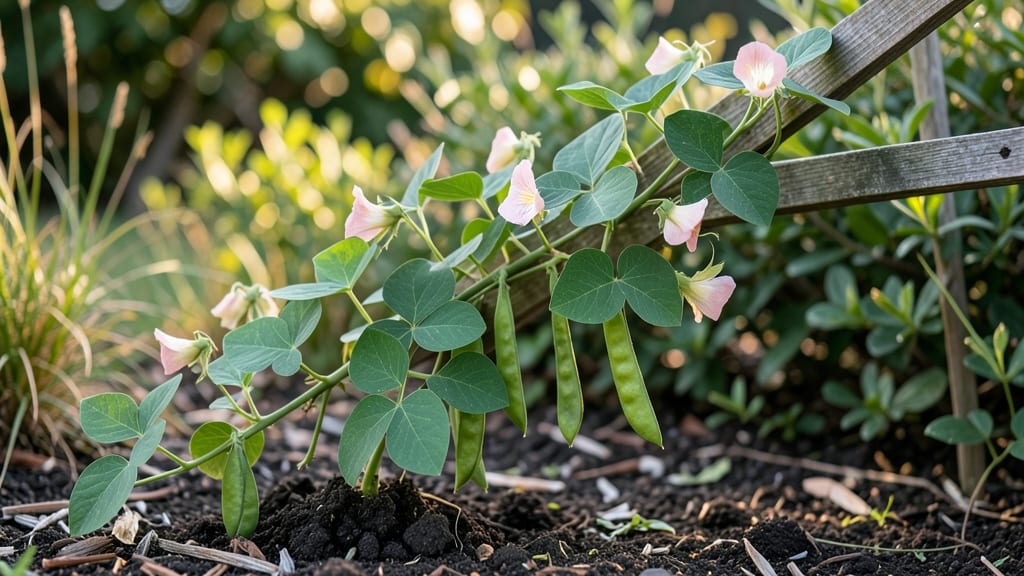
Runner beans climb like jungle vines but grow faster than you’d expect—bold stems that produce beans for months if you know the tricks. 🌱 I’ve watched these plants turn a bare corner of my garden into a lush, productive tower in just 8 weeks, even when I nearly killed them last year by overwatering.
The secret isn’t just the soil (though well-draining, compost-rich earth helps) but the year-round regrowth—if you prune right, you’ll get fresh harvests until frost. Varieties like ‘Scarlet Emperor’ (classic red) or ‘Hestra’ (dwarf, great for containers) make it easy to pick what fits your space.
You’ll end up with pounds of beans—enough for fresh eating, freezing, or drying—while keeping pests at bay with smart companion planting. The first harvest feels like winning the lottery after months of waiting.
Works for beginners and veterans alike, whether you’re growing in a raised bed, trellis, or even a large pot. Let’s get those seeds in the ground!
📚 In This Guide
- What you need
- Instructions
- Tips and common mistakes
- Wrapping up and next steps
What you need
- ● Runner Bean Seeds: 10–20 seeds (choose heirloom varieties like ‘Scarlet Emperor’ or ‘Crimson Glory’ for bold stems and flavor).
- ● Climbing Support: 1–2 sturdy trellises, strings, or teepee frames (6–8 ft tall for vertical growth).
- ● Pro tip: 💡 Use bamboo canes or a simple A-frame for budget-friendly setups!
- ● Well-Draining Soil: 1–2 bags of compost or aged manure (mix into garden beds or large containers).
- ● Fertilizer: Balanced organic fertilizer (e.g., 10-10-10) or compost tea for nutrient-rich soil.
- ● Watering Can or Hose: With a gentle spray nozzle for consistent moisture.
- ● Garden Trowel or Transplanter: For digging seed holes (1–2 inches deep).
- ○ Gloves (Optional): To protect hands while handling soil or trellis materials.
- ○ Mulch (Optional): Straw or grass clippings to retain soil moisture and suppress weeds.
- ○ Pruning Shears (Optional): For trimming overgrown vines or dead foliage.
- ● Sunny Spot: Full sun (6+ hours daily) is a must—runner beans thrive in warmth!
- ● Pest deterrents (e.g., neem oil or companion plants like marigolds).
- ● Soil pH tester (ideal range: 6.0–7.0 for runner beans).
- ● Labeled tags to track varieties and planting dates.
Step-by-step guide to growing runner beans with year-round regrowth
Here's how to cultivate vigorous runner beans that keep producing all season.
🌱 Step 1: Select and Prepare Your Planting Site
Runner beans thrive in well-draining soil with a pH between 6.0-7.0. Choose a location with full sun exposure (6+ hours daily)—they won’t tolerate shade. If your soil is heavy clay, amend it with 2-3 inches of compost mixed into the top 12 inches of soil. I like to work in a handful of aged manure or worm castings for extra nitrogen, which these hungry plants love.
Test your soil’s moisture level before planting. Stick your finger 2 inches deep—if it feels dry, wait to plant until the soil is consistently damp. Runner beans hate soggy roots, so raised beds or mounds work well if your garden retains too much moisture. Mark your rows with a garden twine stretched between stakes, spacing them 18-24 inches apart for easy trellising later.
🌿 Step 2: Plant Seeds at the Right Depth and Spacing
Soak runner bean seeds overnight in lukewarm water to soften the tough outer shell—this speeds up germination. Plant 4-6 seeds per mound, burying them 1-2 inches deep in the soil. I use a dibber or my finger to create small holes, then place 2-3 seeds per hole (thinning later ensures stronger plants). Space mounds 18 inches apart in rows 3 feet apart for airflow and easy harvesting.
Cover the seeds lightly with soil, then water gently to settle the earth around them. Avoid compacting the soil—just enough pressure to hold the seeds in place. If planting in cooler climates, wait until the soil temperature reaches at least 60°F for reliable germination. You’ll see sprouts in 7-14 days, depending on warmth and moisture.
✂️ Step 3: Train Vines and Prune for Continuous Growth
Once seedlings reach 6 inches tall, provide a strong trellis or sturdy stakes (at least 6-8 feet high). Gently weave the main stems through the trellis as they grow—this prevents breakage and encourages upward growth. Runner beans are perennial in warm climates and will regrow if pruned correctly. After the first harvest, cut back vines to 12 inches above ground level to stimulate new shoots.
Watch for side shoots (also called "runners") that form along the main stem. These are your future harvests! Pinch off the first few flowers to encourage bushier growth, but leave later blooms to develop pods. Harvest pods when they’re 4-6 inches long and still tender—this prevents the beans from toughening. Regular pruning keeps the plant focused on producing more rather than seeding.
💧 Step 4: Water and Fertilize for Bold Regrowth
Runner beans need consistent moisture but hate soggy soil. Water deeply 2-3 times per week, aiming for 1 inch of water per week (more in extreme heat). I water at the base in the morning to reduce evaporation and fungal risks. Mulch around plants with 2-3 inches of straw or shredded leaves to retain moisture and suppress weeds—this also keeps roots cool in summer.
Feed plants every 4-6 weeks with a balanced organic fertilizer (10-10-10) or compost tea. Avoid high-nitrogen fertilizers late in the season—they promote leafy growth at the expense of pods. If your beans slow down after the first harvest, a light side-dressing of compost gives them the boost they need for regrowth. Always water after fertilizing to prevent root burn.
☀️ Step 5: Extend the Season with Cold Protection
In cooler climates, runner beans go dormant in winter but regrow in spring. To extend harvests, cover plants with frost cloth when temperatures drop below 32°F. Remove the cloth on warm days to prevent overheating. In mild winters, beans may continue producing if protected—watch for new shoots emerging in early spring as a sign of regrowth.
Cut back dead or damaged vines in late winter, leaving 2-3 inches of stem at the base. This encourages fresh growth from the roots. By late spring, you’ll see new shoots pushing through the soil—these are your second harvest’s foundation. With proper care, runner beans can produce two full harvests per season in warm climates, making them a gardener’s workhorse.
Tips & tricks for growing vigorous runner beans
These simple yet game-changing strategies will help you coax the most from your runner bean plants all season long.
Soil Temperature Secret: The minimum 60°F soil temperature mentioned for germination isn't just a suggestion—it's non-negotiable for reliable sprouting. I've learned this the hard way after planting too early in cool springs. Use a soil thermometer to check before planting, especially in northern climates. If temperatures consistently run below this, consider using black plastic mulch to warm the soil faster—it can raise temperatures by 10°F or more in sunny conditions. This simple trick can shave weeks off your growing season.
Pruning Strategy for Perennial Growth: When you cut back vines to 12 inches after the first harvest, make sure to use clean, sharp pruners to avoid damaging the main stem. I like to sterilize my pruners with rubbing alcohol between cuts to prevent disease transmission. The key is to leave a strong, healthy stem—this becomes the foundation for your next round of growth. In warm climates, you might see new shoots emerging within just 2-3 weeks after pruning, so keep an eye out!
Watering Wisdom: The 2-3 times per week watering guideline assumes average conditions, but your actual needs may vary. In summer heat, I often water daily in the morning, providing 1-2 inches of water per week total. The trick is to water deeply at the base rather than lightly across the leaves. This encourages deep root growth and prevents fungal issues. I've found that runner beans actually handle drought better than overwatering—wilting is normal during dry spells, but they bounce back quickly once watered properly.
Cold Protection Hack: When temperatures drop below 32°F, don't just throw on frost cloth—create an air pocket above the plants. Use small stakes to hold the cloth 4-6 inches above the vines. This prevents moisture buildup that can lead to mold. In mild winters, I've had success with lightweight row covers instead of heavy frost cloth, allowing some light and airflow while still protecting tender growth. The goal is to shield the plants without smothering them.
Pro Tips for Runner Bean Beans
- These simple yet game-changing strategies will help you coax the most from your runner bean plants all season long.
- Soil Temperature Secret: The minimum 60°F soil temperature mentioned for germination isn't just a suggestion—it's non...
- Pruning Strategy for Perennial Growth: When you cut back vines to 12 inches after the first harvest, make sure to use...
Frequently asked questions
Got questions about growing runner beans? You’re not alone! Here are some of the most common queries—plus quick, practical answers to keep your plants thriving.
When is the best time to plant runner beans?
Runner beans love warmth! Plant them after the last frost when soil temps hit 60°F (15°C). In cooler climates, start seeds indoors 2–3 weeks earlier or use black plastic mulch to warm the soil. For year-round harvests, succession plant every 2–3 weeks until late summer.
How long does it take for runner beans to grow and produce?
From seed to harvest, runner beans typically take 8–12 weeks. Vines will climb quickly (6–10 feet tall!), and you’ll spot flowers in 4–6 weeks. Pods form 2–3 weeks after flowering—so patience pays off! Pro tip: Pick pods regularly to encourage more production.
Why aren’t my runner beans flowering or producing pods?
No flowers? Check these fixes:
- Not enough sun: Runner beans need 6+ hours of sunlight daily.
- Poor soil: Amend with compost or a balanced fertilizer (10-10-10) at planting.
- Temperature shock: They wilt in below 50°F (10°C)—use row covers if nights dip.
- Overcrowding: Space plants 4–6 inches apart for airflow.
Can I grow runner beans in containers or small spaces?
Runner beans thrive in 5-gallon containers or deeper pots (12+ inches). Use a trellis or tall cage to save space. For small gardens, try bush varieties like ‘Tom Thumb’ (3–4 feet tall) or train vines over fences. Just ensure containers have drainage and you fertilize every 3–4 weeks.
Are runner beans and pole beans the same? What’s the difference?
Not quite! While both are Phaseolus coccineus, runner beans have:
Pole beans (like ‘Kentucky Wonder’) are shorter (6–8 feet) and better for hot climates. Fun fact: Runner beans taste sweeter when harvested young!
How do I keep pests away from my runner beans?
Common pests include aphids, bean beetles, and slugs. Try these organic fixes:
- Aphids: Spray with soapy water or introduce ladybugs.
- Beetles: Handpick eggs (tiny yellow dots!) or use neem oil.
- Slugs/snails: Set up beer traps or copper tape around pots.
- Prevention: Interplant with marigolds or nasturtiums to repel pests.
Wrapping up and next steps
Runner beans are a versatile, hardy, and rewarding addition to any garden—whether you’re a beginner or a seasoned green thumb! 🌱 Their bold stems, prolific harvests, and ability to regrow year after year make them a must-grow for fresh, flavorful pods.
With the right care (like sturdy supports and consistent watering), you’ll enjoy a continuous harvest that’s both satisfying and delicious.
Ready to dive in? Start by planting a few seeds this season and watch your garden transform! For even more success, experiment with trellises, companion planting, or preserving your harvest—the possibilities are endless. Happy growing! 🌿