
Vegetables
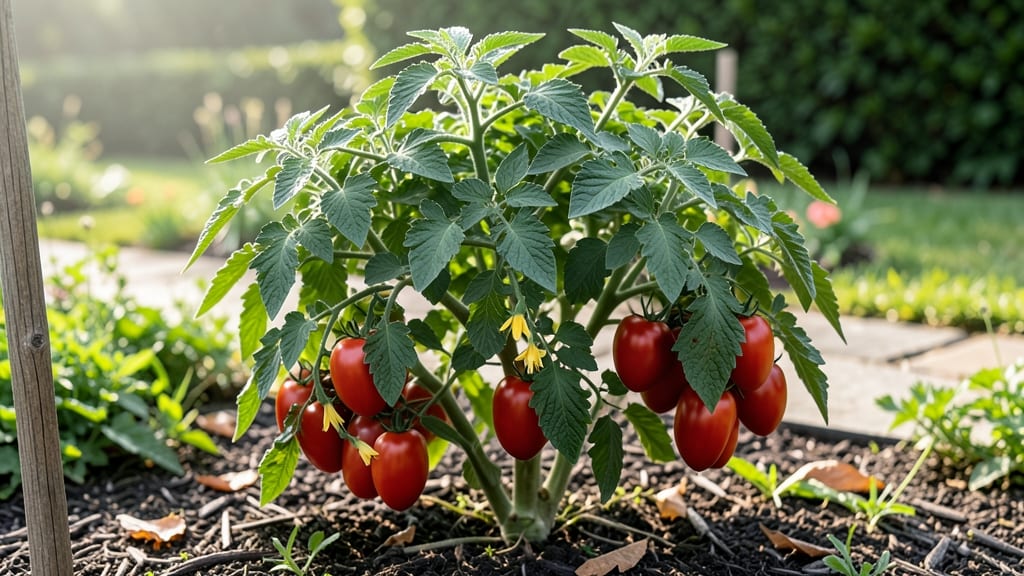
Growing Cherry Roma tomatoes means bold, sweet flavor even in cooler climates—something I discovered after my regular Roma plants kept struggling in my chilly zone 4 garden. 🌱 These little powerhouses ripen faster, resist cracking better, and produce heirloom-quality tomatoes when given the right care (and I’ve learned the hard way what that means).
They thrive in full sun with well-draining soil, but the secret to their cold resistance is starting seeds indoors 6-8 weeks before last frost—or buying sturdy transplants early. My first year, I planted too late and lost half my crop to frost.
Now? I get pounds of tomatoes by July, and they keep producing until frost. The key is spacing them 18-24 inches apart in rich, slightly acidic soil (pH 6.0-6.8).
Once established, they’re low-maintenance—just consistent watering (1-2 inches per week) and occasional pruning to remove suckers. The real payoff? Those deep, meaty tomatoes packed with flavor, perfect for sauces, slicing, or eating fresh off the vine.
My neighbors still ask how I get such great tomatoes in our short season.
If you’ve ever struggled with tomatoes in cooler areas, this variety changes the game. The only real challenge is blossom-end rot (fix it with calcium), but with proper care, you’ll end up with bushes loaded with fruit—not just a few sad tomatoes. Ready to try them?
📚 In This Guide
- What you need
- Instructions
- Tips and common mistakes
- Wrapping up and next steps
What you need
- ● Cherry Roma tomato seeds (or young seedlings) – 2-4 plants per person (or 1 plant per 2-3 sq ft of space). Choose cold-resistant varieties like 'Roma' or 'Plum' hybrids.
- ● Well-draining potting mix – 5-10 lbs (look for organic blends with perlite or vermiculite for aeration).
- ● Containers or garden beds – 5-gallon pots or larger (if container growing) or full sun (6+ hours/day) garden plots with loose, fertile soil.
- ● Balanced fertilizer – 5-10-10 or 10-10-10 (1 tbsp per plant at planting, then every 2-3 weeks).
- ● Tomato cages or stakes – 5-6 ft tall (1 per plant to support growth).
- ● Mulch (straw or black plastic) – 2-3 inches thick (to retain moisture and regulate soil temp).
- ● Watering can or hose with a gentle spray nozzle (avoid wetting leaves to prevent disease).
- ● Pruning shears – for trimming suckers and shaping plants.
- ● pH test kit – to ensure soil pH is 6.0-6.8 (ideal for tomatoes).
- ● Drip irrigation system – for consistent moisture without overwatering.
- ● Row covers or frost cloth – to protect seedlings from early cold snaps.
- ● Garden gloves – to keep hands clean while handling soil and plants.
Step-by-step instructions for growing Cherry Roma tomatoes
Here’s how I grow these cold-hardy, flavor-packed tomatoes—strong plants that thrive even in cooler climates.
🌱 Step 1: Start Seeds Indoors 6-8 Weeks Before Last Frost
Fill 2-3 inch deep seedling trays with a sterile seed-starting mix (never garden soil—it’s too dense). Moisten until damp but not soggy, then press the surface lightly to firm it up. Cherry Roma seeds germinate best at 75-85°F, so place trays on a heat mat if your home runs cooler.
Plant 2 seeds per cell at a depth of ¼ inch—too deep delays germination. Cover lightly with mix, mist gently, and seal with plastic wrap to retain warmth. Check daily for condensation; remove the wrap once sprouts appear (7-14 days). Thin to one seedling per cell after first true leaves emerge to avoid competition.
☀️ Step 2: Harden Off and Transplant After Frost Risk Passes
Two weeks before transplanting, move seedlings outside for 1-2 hours daily, gradually increasing exposure. Start in shade, then introduce morning sun. Watch for leggy growth (thin stems, pale leaves)—this means they need more light. A grow light 2-4 inches above seedlings for 14-16 hours daily prevents this.
Transplant after last frost date when soil reaches 55°F. Bury stems ⅔ deep to encourage root growth—Cherry Romas respond well to being planted deeper. Space plants 18-24 inches apart in rows 3 feet apart to allow airflow and reduce disease risk.
💧 Step 3: Water Deeply and Support Early Growth
Water 1 inch per week, aiming for the soil—not the leaves—to prevent fungal diseases. Use drip irrigation or soaker hoses to keep foliage dry. Mulch with 2-3 inches of straw or shredded leaves to retain moisture and suppress weeds. Cherry Romas produce best with consistent moisture, so check soil daily during dry spells.
Install cages or stakes at transplanting—these tomatoes grow determinate (bushy) but still need support. Gently weave vines through cages as they grow; avoid tying stems, which can restrict circulation. Pinch off first flowers if seedlings are small (under 12 inches) to redirect energy to foliage.
✂️ Step 4: Prune and Harvest for Maximum Yield
Prune suckers (shoots between main stem and branches) weekly to improve airflow and fruit size. Remove leaves touching the soil to prevent rot. Harvest when tomatoes reach 1-1.5 inches and turn deep red—waiting too long dulls flavor. Pick in the morning after dew dries to reduce cracking.
Cherry Romas ripen quickly in warm weather, so check plants every 2-3 days during peak season. Store harvested tomatoes at 55-60°F for up to 1 week—they don’t ripen further off the vine. Use a sharp knife to avoid bruising; never twist stems, which can damage the plant.
Tips & tricks for growing cold-hardy Cherry Roma tomatoes
These practical insights will help you cultivate vigorous, flavorful plants that thrive in cooler climates.
Heat Mat Strategy: If your home stays below 75°F, invest in a small heat mat—it’s the difference between reliable germination and waiting weeks for stubborn seeds. Place trays on the mat immediately after planting, and keep the soil consistently at 75-85°F. I’ve seen germination times cut from 14 days to just 7 with this simple setup.
Lighting Secret: The 14-16 hours of daily light during hardening off is non-negotiable for preventing leggy seedlings. If natural light isn’t sufficient, position grow lights directly above the seedlings—just 2-4 inches away. I use LED grow lights on a timer to automate this, which saves me from remembering to turn them on/off daily.
Transplanting Depth: Burying stems ⅔ deep at transplanting might seem counterintuitive, but Cherry Romas actually respond beautifully to this technique. The buried portion develops additional roots, creating a stronger plant base. Just be gentle—don’t bury any leaves or flowers, as these won’t develop roots.
Harvest Timing: Those 2-3 day checks during peak season are crucial—Cherry Romas ripen faster than most varieties when temperatures rise. I’ve found harvesting in the morning after dew dries prevents cracking, and using a sharp knife instead of twisting stems protects the plant’s vascular system for continued production.
Pro Tips for Cherry Roma Tomatoes
- These practical insights will help you cultivate vigorous, flavorful plants that thrive in cooler climates.
- Heat Mat Strategy: If your home stays below 75°F, invest in a small heat mat—it’s the difference between reliable ger...
- Lighting Secret: The 14-16 hours of daily light during hardening off is non-negotiable for preventing leggy seedlings...
Frequently asked questions
When is the best time to plant Cherry Roma tomatoes in my region?
Cherry Roma tomatoes thrive in warm soil (60°F+) and are frost-sensitive. Start seeds indoors 6-8 weeks before the last frost, then transplant outdoors after all danger of frost has passed—typically 2-3 weeks after your area’s last frost date. For cooler climates, use row covers or grow them in containers for easier mobility.
How long does it take for Cherry Roma tomatoes to mature and produce fruit?
From transplanting, expect 55-70 days to first harvest, depending on growing conditions. With proper care (sunlight, water, and fertilizer), you’ll enjoy a steady crop for 4-6 weeks. Pro tip: Prune suckers regularly to encourage bigger, juicier tomatoes!
Can I grow Cherry Roma tomatoes in containers, or do they need a garden bed?
Cherry Roma tomatoes thrive in containers (5+ gallons per plant) as long as they get 6-8 hours of sunlight and proper drainage. Use a balanced fertilizer and stake or cage them for support. Just avoid overcrowding—space plants 18-24 inches apart to prevent disease.
Why are my Cherry Roma tomatoes cracking, and how can I fix it?
Cracking usually happens due to inconsistent watering (too much after drought) or over-fertilizing with nitrogen. To prevent it:
- Water deeply and evenly (1-1.5 inches per week).
- Avoid late-season nitrogen-heavy feeds.
- Harvest tomatoes when fully ripe but firm.
What are the best ways to use Cherry Roma tomatoes in cooking?
These meaty, sweet-tart tomatoes are versatile! Try them:
Their low seed count makes them perfect for sauces without skimming!
Wrapping up and next steps
Growing cherry Roma tomatoes is a rewarding journey that brings bold flavor and cold-hardy resilience to your garden—no green thumb required! Whether you’re a beginner or a seasoned gardener, these versatile plants thrive with minimal fuss, offering heirloom-quality taste in a compact package.
With the right care, you’ll soon be savoring sweet, plump tomatoes perfect for salads, sauces, or fresh snacking.
Ready to harvest the rewards? Start by sketching your planting plan based on your climate, then gather your supplies and dive in! 🌱 For extra inspiration, explore simple recipes to turn your harvest into delicious meals. Happy growing—your taste buds will thank you!