
Vegetables
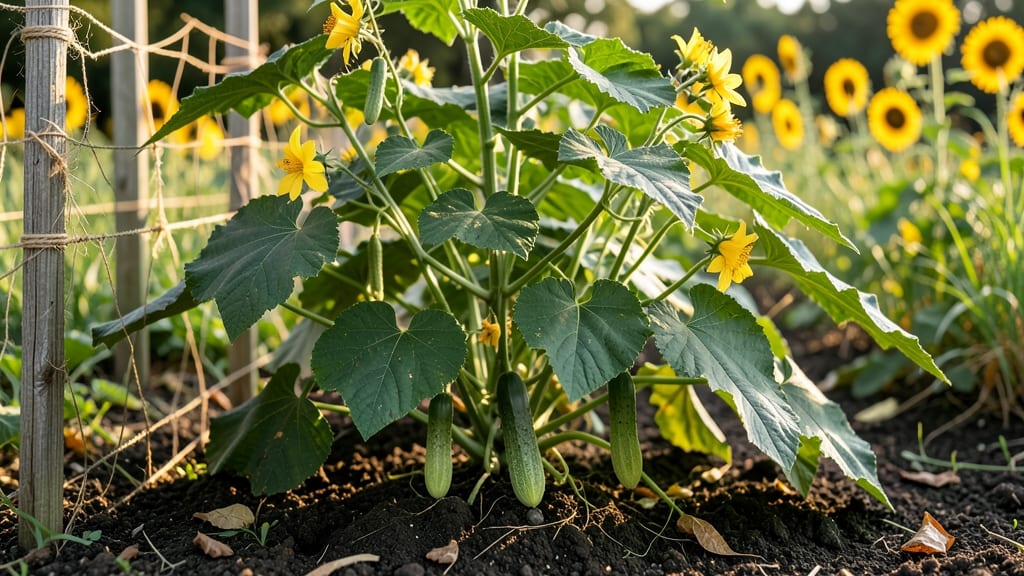
Fast germination means Corinto cucumber seeds in your garden before the heat sets in. 🌱 The variety is my go-to for cool-spring plantings—it sprouts in just 3-5 days, beating most cucumbers by a full week.
I've grown them in Zone 4 without losing a season to late frosts, and the plants stay productive even when temps dip to 50°F at night.
You'll need a sunny spot (6+ hours daily), well-draining soil, and a sturdy trellis—these vines get long and heavy. The secret to their speed? Soak seeds overnight before planting, and keep soil consistently moist but not soggy.
Once they pop, watch them race toward the sky—true leaves appear in under 10 days.
By mid-summer, you'll be harvesting crisp, 6-inch fruits with that perfect Corinto flavor—sweet with just a hint of tang. The plants keep producing until frost, and they handle partial shade better than most varieties. I've even grown them in containers when space was tight.
Here's the thing—these cucumbers hate crowded roots, so give them room to sprawl. And if you're in a short season, start seeds indoors 4-6 weeks before last frost for an even earlier harvest. Trust me, your first bite will change how you think about spring gardening.
📚 In This Guide
- What you need
- Instructions
- Tips and common mistakes
- Wrapping up and next steps
What you need
- ● Corinto cucumber seeds – Purchase a packet (typically 20-50 seeds, depending on the brand). Look for organic or non-GMO options if preferred!
- ● Seed-starting soil or potting mix – A lightweight, well-draining blend (e.g., Black Gold Seedling Mix or Miracle-Gro Seed Starting Potting Soil). Quantity: 1-2 gallons per seedling tray.
- ● Seedling trays or biodegradable pots – 6-12 cell trays or 2-3 inch pots (biodegradable options like Jiffy Pellets are eco-friendly!).
- ● Grow lights or sunny windowsill – Corinto seeds need 6-8 hours of light daily for optimal germination. LED grow lights (e.g., SPIN-FARM SF-2000) work well.
- ● Spray bottle with water – For gentle hydration during germination.
- ● Plastic wrap or humidity dome – Keeps moisture locked in until seeds sprout.
- ○ Fertilizer (optional but recommended) – A balanced, water-soluble fertilizer (e.g., Jack’s Classic Blossom Booster) for transplanting. Dilution: Follow label instructions (usually 1 tbsp per gallon).
- ● Warmth – Corinto seeds germinate best in soil temperatures between 70-90°F (21-32°C). Use a seedling heat mat if your space is cooler.
- ● Patience – Germination typically takes 5-10 days (faster in ideal conditions!).
- ● Outdoor space or containers – After seedlings are 2-3 weeks old, they’ll need: A sunny spot with 6+ hours of direct sunlight daily, or
- ● Large containers (minimum 12-18 inches deep and 12 inches wide) if growing in pots.
- ○ Support system (optional but helpful) – Trellises or cages (e.g., 5-foot tomato cages) to encourage vertical growth and prevent disease.
Step-by-step instructions for growing Corinto cucumber seeds in cold climates
Here’s how I grow Corinto cucumbers—fast, hardy, and perfect for cooler regions.
🌱 Step 1: Prep Seeds and Soil for Fast Germination
Corinto seeds germinate quickly in warm, moist conditions. Soak them in lukewarm water for 12 hours to soften the outer shell—this speeds up sprouting by 3-5 days. While they soak, fill 4-inch pots with a sterile seed-starting mix (never garden soil—it’s too dense and may harbor diseases). Moisten the mix until it’s damp but not soggy, like a wrung-out sponge.
Use your finger to make ½-inch deep holes, spaced 1 inch apart in each pot. Drop 1-2 seeds per hole—the extra gives you a backup if one fails. Cover lightly with a sprinkle of mix, then mist the surface with water. The goal is consistent moisture without drowning the seeds. Place pots in a seedling heat mat set to 75-80°F for fastest results.
💧 Step 2: Create a Humidity Dome and Wait for Sprouts
Cover the pots with a clear plastic dome or plastic wrap to trap heat and humidity—Corinto seeds thrive in 80-85% humidity. Check daily for condensation on the dome; if it’s dry, mist the soil lightly. You’ll see first sprouts in 5-7 days (faster than most cucumbers!). Once 50% of seeds have sprouted, remove the dome immediately to prevent damping-off, a fungal disease that collapses seedlings overnight.
Place the pots under a grow light (or near a south-facing window) for 14-16 hours of light daily. Without enough light, seedlings stretch weakly toward the sun—watch for thin, pale stems and large gaps between leaves. If you see this, lower the light to 2-3 inches above the plants and keep them there until they develop true leaves (the second set after the initial seed leaves).
☀️ Step 3: Harden Off and Transplant After Last Frost
Two weeks before your last frost date, start hardening off seedlings by placing them outside in a sheltered, shaded spot for 1-2 hours the first day. Gradually increase their outdoor time by 1 hour daily until they can handle full sun and wind for a full day. Corinto cucumbers tolerate cooler temps better than most varieties, but they still need 55-60°F soil to thrive.
Transplant after the last frost when soil reaches 60°F and nighttime temps stay above 50°F. Bury seedlings deeper than the seed packet suggests—cucumbers have strong roots that benefit from extra soil coverage. Space plants 12-18 inches apart in rows 3 feet apart to allow airflow and prevent disease. Water deeply at transplanting to settle the soil and reduce shock.
🌿 Step 4: Support Vines and Maintain Moisture
Corinto cucumbers grow 6-8 feet long, so install trellises or stakes at planting to guide vines upward. This saves space and improves air circulation, reducing the risk of powdery mildew. Train the main vine along the trellis, pruning side shoots if they’re crowded—focus on 3-4 strong primary vines per plant for the best yield.
Water deeply 2-3 times per week, aiming for 1 inch of water per week. Let the top inch of soil dry between waterings to prevent root rot, but never let plants wilt. Mulch with straw or shredded leaves to retain moisture and keep roots cool. You’ll know you’re doing it right when vines grow 1-2 feet per week and leaves stay deep green and crisp.
Tips & tricks for growing Corinto cucumber seeds in cooler climates
Here's what I've learned from growing these resilient cucumbers—these tricks will help you avoid common pitfalls and maximize your harvest.
Soaking Strategy: The 12-hour soak is your secret weapon for speeding up germination. Use lukewarm water (around 80°F) and place the seeds in a sealed container to keep them hydrated. I've found that adding a drop of liquid seaweed fertilizer to the soaking water boosts early growth—just rinse seeds before planting. This step is especially important in cold climates where seeds might otherwise struggle to break dormancy.
Lighting Secret: For the critical 14-16 hours of daily light in Step 2, I recommend using LED grow lights positioned just 2-3 inches above seedlings. These lights are energy-efficient and provide the full spectrum needed for strong growth. If using natural light, rotate pots daily so all sides get equal exposure—this prevents lopsided seedlings that struggle to stand upright. Watch for those telltale signs of weak stems: if you see seedlings stretching toward light with large gaps between leaves, it's time to adjust your lighting setup.
Transplanting Timing: When transplanting after last frost, I always check soil temperature with a thermometer before proceeding. Corinto cucumbers need that 60°F soil minimum to thrive, and cooler soils will shock your seedlings. If your soil is still below 60°F, consider using black plastic mulch to warm it up faster—it can raise soil temperature by 10-15°F. Also, transplant in the late afternoon when temperatures are cooler, giving seedlings a better chance to establish before nightfall.
Cold Climate Adaptation: For even better cold tolerance, I've found that adding a 1-inch layer of straw mulch around transplanted seedlings helps maintain soil warmth and moisture. This is particularly valuable in cooler regions where nighttime temperatures can dip below 50°F. The mulch acts like a blanket, protecting roots while allowing excess moisture to evaporate during the day. I also recommend choosing a sunny, south-facing location for your garden bed to maximize warmth absorption.
Pro Tips for Corinto Cucumber Seeds
- Here's what I've learned from growing these resilient cucumbers—these tricks will help you avoid common pitfalls and ...
- Soaking Strategy: The 12-hour soak is your secret weapon for speeding up germination. Use lukewarm water (around 80°F...
- Lighting Secret: For the critical 14-16 hours of daily light in Step 2, I recommend using LED grow lights positioned ...
Frequently asked questions
Got questions about growing Corinto cucumber seeds?
You’re not alone! Here are answers to the most common queries to help you cultivate a thriving harvest—even in cooler climates.
1. How long does it take for Corinto cucumber seeds to germinate?
Corinto seeds are known for their fast germination, typically sprouting within 5–10 days when soil temperatures are ideal (around 70–90°F). For cooler climates, use a seedling heat mat or start indoors 2–3 weeks before the last frost. Patience is key—keep soil moist but not soggy!
2. Can I grow Corinto cucumbers in cold weather?
Yes! This variety is cold-hardy compared to others, tolerating temperatures down to 55°F. For extra protection, grow in containers and move them indoors at night if frost threatens. A row cover or cold frame can also extend your growing season.
3. What’s the best way to plant Corinto seeds for maximum yield?
Plant seeds ½ inch deep in well-draining soil, spacing them 3–4 feet apart (or closer if trellising). Thin seedlings to the strongest plant to avoid competition. For bushier growth, use a trellis—this saves space and improves air circulation, reducing disease risk.
4. What should I do if my Corinto cucumber plants aren’t flowering?
Lack of flowers? Check these fixes:
- Sunlight: Ensure 6–8 hours of full sun daily—shady spots stunt blooms.
- Watering: Keep soil consistently moist but avoid overwatering (root rot can stress plants).
- Fertilizer: Add a balanced, phosphorus-rich fertilizer (like 10-10-10) to encourage flowering.
- Pollination: If indoors, gently shake plants or use a small brush to transfer pollen.
5. Are there any alternatives if Corinto seeds are unavailable?
If Corinto seeds aren’t in stock, try these cold-tolerant cucumber varieties:
- ‘Northern Pickling’ – Disease-resistant and productive in cooler temps.
- ‘Straight Eight’ – Classic slicing cucumber with good cold tolerance.
- ‘Armenian’ (Snake Cucumber) – Thrives in heat and cooler weather.
Wrapping up and next steps
Growing Corinto cucumber seeds is a fantastic way to enjoy fresh, crisp cucumbers—even in cooler climates! 🌱 Their fast germination and cold-hardy nature make them a standout choice for home gardeners. Whether you're a beginner or a seasoned grower, these seeds offer reliable results with minimal fuss.
Ready to take the next step? Grab your Corinto seeds, prep your garden bed, and watch your harvest thrive! For even better success, check out our FAQs or explore pro tips to maximize your yield. Happy planting!