
Plants
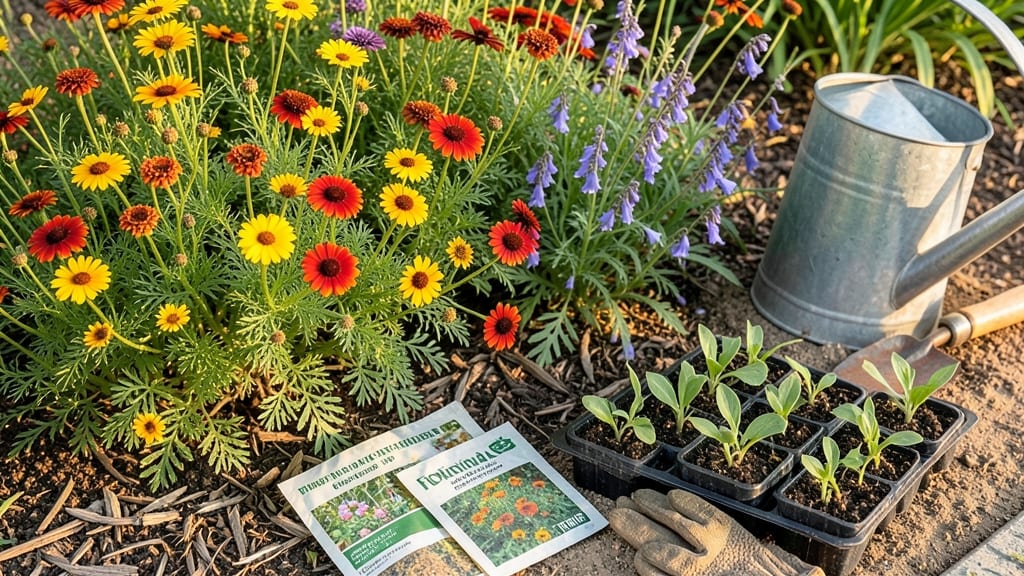
Planting wildflower seeds in Florida works best when you align your timing with the natural rainfall patterns and seasonal shifts that keep them thriving year-round.
Picture this: you’ve just scattered your seeds, but instead of a vibrant meadow, you’re left with sparse blooms—or worse, seeds that never sprout. That’s what happens when you plant at the wrong time, especially in Florida’s humid, frost-free climate.
The key? Knowing the exact months to plant for maximum success, whether you’re in North Florida’s cooler pockets or South Florida’s tropical heat.
Florida’s year-round growing season means wildflowers like black-eyed Susans and coreopsis can bloom almost any time, but fall and early spring are the sweet spots. Why? Because cooler temps and steady rains give seeds the perfect start, while summer’s intense heat can dry them out before they take root.
In this guide, I’ll break down the best months to plant by region, share soil prep secrets for Florida’s sandy soils, and reveal the native wildflowers that thrive with minimal fuss. Ready to turn your yard into a pollinator paradise?
Best months to plant wildflower seeds in Florida by season
Florida’s three distinct climate zones—North, Central, and South—create unique planting windows for wildflowers. Unlike northern states, Florida’s frost-free growing season allows year-round planting, but timing still matters for optimal germination and seasonal blooms.
North Florida’s cooler winters (USDA Zone 8a) contrast sharply with South Florida’s tropical warmth (Zone 11), so I’ll break down the best months for each region.
For spring blooms, aim to plant in late winter to early spring (February–March), while fall planting (August–October) sets up vibrant displays for winter and early spring.
South Florida’s longer growing season even allows summer planting (June–July) for heat-loving species like blanket flower and firewheel. Let’s dive into the specifics for each region.
Regional microclimates further refine these windows. For example, the Panhandle (North Florida) may experience light frosts in January, while Miami (South Florida) stays warm year-round. Coastal areas also require salt-tolerant varieties, while inland zones can support more diverse mixes. Always check your local USDA zone and historical rainfall patterns before planting.
Here’s a quick comparison of the best planting months by region and season:
In North Florida, where winters can dip below freezing, focus on spring (February–March) and fall (August–September) planting.
This timing avoids frost damage and aligns with natural rainfall patterns, reducing the need for supplemental watering. Native species like coreopsis and black-eyed Susan thrive when planted in these windows, offering spring and summer blooms.
For Central Florida, the wider temperature range (Zone 9a–9b) allows for more flexibility. Plant in January–March for winter and spring blooms, or in August–October to enjoy fall and winter color.
Species like Mexican sunflower and butterfly weed are perfect for this region, as they tolerate both heat and mild winters. Summer planting is possible but requires extra care to prevent seed desiccation.
South Florida’s tropical climate (Zone 10a–11) makes it unique—you can plant wildflowers year-round. However, the best results come from fall planting (September–November), which avoids the peak summer heat and provides consistent moisture from seasonal rains. Firewheel and beach sunflower are excellent choices, offering bold colors that attract pollinators year-round.
If you’re in a coastal microclimate, prioritize fall planting (September–November) to establish roots before winter storms. Use salt-tolerant mixes like saltmarsh fleabane or beach morning glory, which thrive in salty, sandy soils. Avoid planting in summer, as high winds and salt spray can stress young seedlings.
Pro tip: Always prepare your soil before planting. Loosen the top 2–3 inches of soil, remove weeds, and lightly rake the area to create a fine seedbed. Scatter seeds thinly and press them into the soil—
How to choose wildflower seed mixes for Florida’s climate zones
Florida’s USDA zones 8–11 offer diverse microclimates, from coastal salt tolerance to shade-loving varieties. Selecting the right wildflower seed mix ensures vibrant blooms year-round while supporting local ecosystems. Native mixes thrive with minimal care once established, making them perfect for Florida’s drought-prone summers and humid winters.
Start by identifying your specific Florida region. North Florida (zones 8a–8b) benefits from shade-tolerant mixes like black-eyed Susan and coreopsis, while Central Florida (zones 9a–9b) thrives with drought-resistant varieties such as blanket flower and firewheel.
Coastal areas (zones 10a–11) need salt-tolerant species like beach sunflower and sea oxeye.
Key factors to consider include sunlight exposure, soil type, and water availability. For example, full-sun mixes (like coneflower) work best in Central Florida’s open meadows, while partial-shade blends (such as wild columbine) suit North Florida’s wooded edges. Always check the seed packet for USDA zone compatibility to avoid mismatches.
| Florida Zone | Best Seed Mix | Key Features | Planting Time |
|---|---|---|---|
| North (8a–8b) | Shade-Tolerant Mix | Black-eyed Susan, Coreopsis | Fall (Sept–Nov) |
| Central (9a–9b) | Drought-Resistant Mix | Blanket Flower, Firewheel | Early Spring (Feb–March) |
| Coastal (10a–11) | Salt-Tolerant Mix | Beach Sunflower, Sea Oxeye | Late Summer (Aug–Sept) |
Avoid common mistakes like choosing non-native mixes, which may struggle in Florida’s humid conditions or attract invasive pests. Always opt for Florida-Friendly Landscaping™ certified seeds to support pollinators like butterflies and bees.
Additionally, pre-treat seeds with a light scarification (nick the seed coat) for faster germination in Florida’s fast-draining soils.
For coastal gardens, select mixes labeled "salt-tolerant" to withstand salty winds and sandy soils. Inland areas benefit from deep-rooted varieties like purple coneflower, which thrive in drought conditions. Always test your soil’s pH level—most Florida wildflowers prefer slightly acidic to neutral soil (pH 6.0–7.0).
Once you’ve chosen your mix, prepare the soil by removing weeds and loosening the top 2–3 inches of soil. Scatter seeds lightly (they’re tiny!) and press them into the soil with a light rake or board.
Avoid burying seeds deeper than 1/4 inch, as most wildflowers need light to germinate. Water gently to keep the soil moist until sprouts appear, typically within 10–21 days.
With the right mix and timing, your Florida wildflower meadow will bloom year-round, attracting butterflies, hummingbirds, and native bees while requiring minimal maintenance. Start small with a 10x10-foot patch to test your chosen mix before expanding—happy planting! 🌼