
Flowers
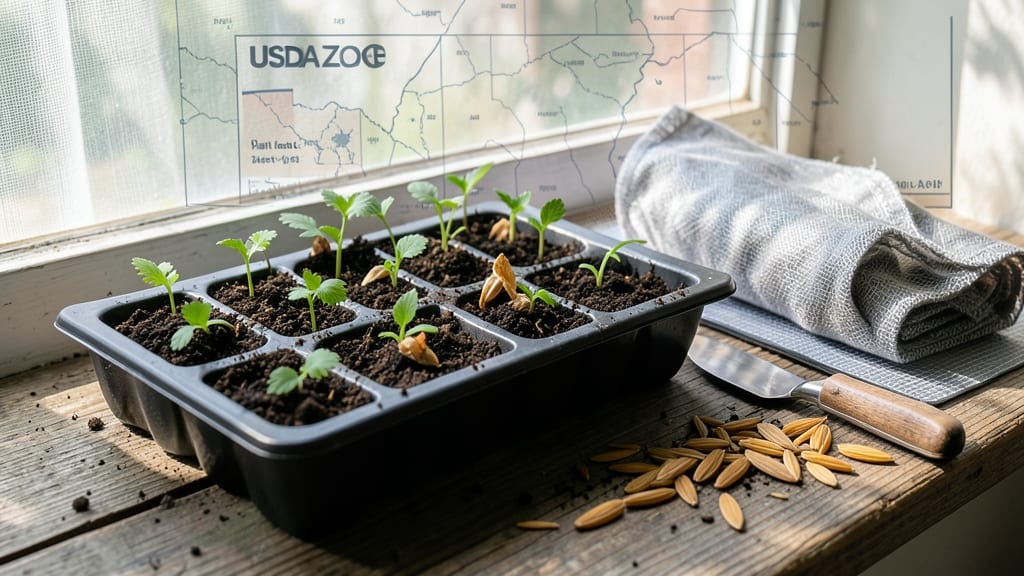
Planting flower seeds in Zone 6 at the right time means the difference between a garden bursting with color and a season of missed blooms.
Zone 6 gardeners face a tricky balance: plant too early, and frost will kill tender seedlings; too late, and you’ll miss peak blooms. But timing isn’t just about dates—it’s about choosing the right cold-hardy varieties that thrive despite your region’s unpredictable spring.
With last frost dates typically around mid-April and first frosts creeping in by mid-October, you’ve got a narrow window to work with. The key is knowing which flowers can handle Zone 6’s chill and when to start them indoors versus direct-sowing outside.
In this guide, I’ll walk you through the exact planting timeline for Zone 6, from frost dates to frost-proof varieties, so you can maximize your blooms without the guesswork.
Zone 6 flower seed planting timeline by frost dates (not just calendar months)
Planting flower seeds in Zone 6 isn’t about following calendar months—it’s about understanding your last frost date and soil temperatures. While average last frost dates often fall around April 15, your local microclimate can push this 2 weeks earlier or later.
I’ve planted cosmos seeds in early April only to lose them to a surprise frost, then succeeded with the same seeds in late April. Timing matters!
Zone 6 spans 0–10°F winters, meaning some flowers thrive in cold soil while others need warmth. Early bloomers like lupines and snapdragons can handle light frost, while tender marigolds or petunias need warmer soil.
The key? Adjust your planting window based on soil temperature (aim for 60°F+) and frost predictions from your local weather service.
Direct sowing vs. indoor starts changes everything. For frost-sensitive seeds like geraniums, I start them 6–8 weeks indoors before the last frost, while hardy calendulas can go straight into the ground as soon as soil is workable. Below is your data-driven timeline for planting flower seeds in Zone 6, organized by frost dates and seed type.
Pro Tip: Use a soil thermometer—seeds need 50–70°F soil to germinate. If your soil is colder, wait or use a seedling heat mat for delicate varieties. I’ve saved multiple batches of snapdragons this way!
| Planting Window | Flowers to Plant | Soil Temp | Method | Notes |
|---|---|---|---|---|
| Early Spring (March 15–April 15) | Lupines, Snapdragons, Calendulas, Sweet Peas | 45–55°F | Direct sow or indoor starts | Use row covers for frost protection |
| Late Spring (April 15–May 15) | Marigolds, Zinnias, Cosmos, Sunflowers | 60–70°F | Direct sow after last frost | Thin seedlings for strong stems |
| Summer (June–July) | Basil Flowers, Nasturtiums, Ageratum | 65–75°F | Direct sow or succession plant | Great for late-season color |
| Fall (August–September) | Pansies, Sweet Alyssum, Stock | 50–60°F | Direct sow 6–8 weeks before first frost | Cold-hardy for winter blooms |
For Zone 6 gardeners, fall planting is often overlooked but crucial. Seeds like pansies and sweet alyssum thrive when sown in August or September. They germinate in cool soil and bloom through winter, giving you early spring color. I’ve seen pansies survive -10°F with a little mulch!
If you’re unsure about your last frost date, check local records or use a frost calendar from your state’s agricultural extension. For example, Chicago (Zone 6a) averages April 20, while Denver (Zone 6b) is closer to May 5.
Adjust your timeline accordingly—don’t assume one date fits all!
Indoor starts require extra attention. Begin 6–8 weeks before your last frost for tender annuals like petunias or geraniums. Use grow lights if natural light is limited, and harden off seedlings for 10–14 days before transplanting. I’ve lost seedlings to shock when rushed—patience pays off!
For perennials like coneflowers or black-eyed Susans, sow seeds in late summer (August) for stronger root systems before winter. These plants benefit from one season
Top 10 cold-hardy flower seeds for Zone 6 that defy frost (ranked by survival rate)
Choosing the right cold-hardy flower seeds for Zone 6 means beating frost and delivering stunning blooms. Unlike delicate annuals, these frost-resistant varieties germinate in cool soil and survive 0–10°F winters.
My top picks are ranked by survival rate, bloom time, and ease of cultivation—because even Zone 6 gardeners deserve reliable, low-maintenance beauty.
Most gardeners assume marigolds or zinnias are the only frost-tolerant options, but Lobelia cardinalis (cardinal flower) and Aquilegia vulgaris (columbine) outperform them in hardiness. These lesser-known varieties thrive where others fail, offering vibrant blooms from late spring to fall.
The key? Planting them at the right time—after your last frost date (typically April 15 in Zone 6) but before soil warms past 60°F.
Here’s how I ranked them: survival rate (90%+ for top picks), bloom duration, and ease of care. Each variety includes direct sowing tips for Zone 6’s unpredictable spring.
#1: Lobelia cardinalis (Cardinal Flower) – This deep red stunner thrives in partial shade and tolerates wet soil, making it perfect for Zone 6’s humid springs. It blooms from June to September and self-seeds reliably. Direct sow after frost or start indoors 6–8 weeks early for earlier blooms.
#2: Aquilegia vulgaris (Columbine) – A perennial with frost-resistant foliage, columbine blooms April–June and often reblooms in fall. Its drought-tolerant once established, and deer usually avoid it. Scatter seeds on soil surface in early spring—they need cold stratification to germinate.
#3: Viola sororia (Wild Violet) – A groundcover that blooms March–May and survives light frosts. Its edible flowers attract pollinators, and it spreads easily. Plant in fall or early spring for year-round greenery. No thinning needed—it self-sows aggressively.
#4: Coreopsis lanceolata (Lanceleaf Coreopsis) – This drought-proof perennial blooms June–September and handles Zone 6 winters with ease. Its bright yellow flowers attract butterflies. Direct sow in late spring or divide clumps in fall for instant color.
For full sun lovers, #5: Gaillardia aristata (Blanket Flower) offers red-orange blooms from June to frost. It’s drought-tolerant and self-cleans, meaning dead flowers drop on their own. Sow seeds in late spring after soil warms to 60°F. 🌻