
Planting
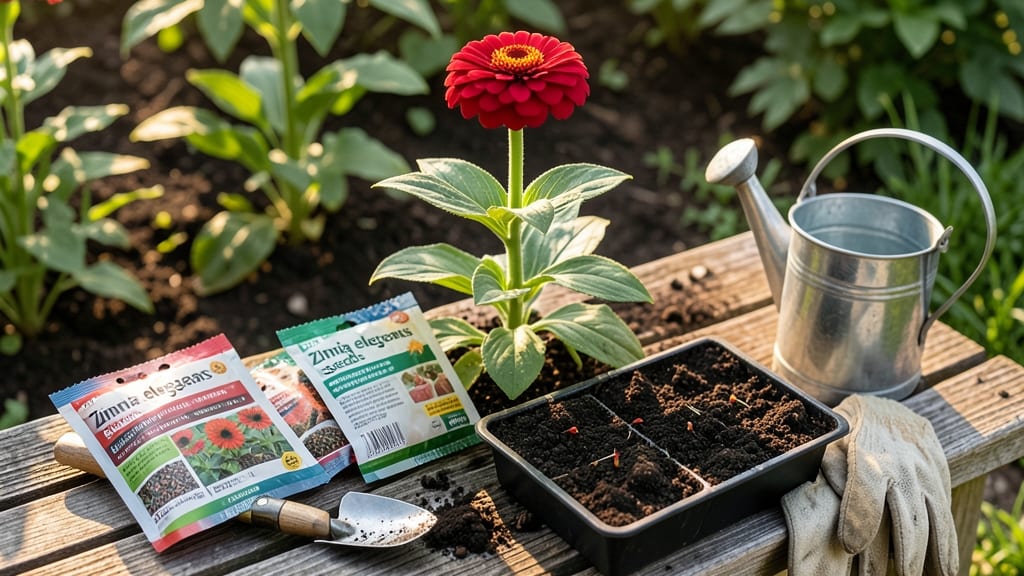
Planting flower seeds in July can still yield fast blooms and vibrant summer color, even when many gardeners think it’s too late.
Picture this: cosmos popping up in 10 days, zinnias stretching toward the sun by mid-August, and sunflowers towering over your patio by September. These aren’t just dreams—they’re the rewards of choosing the right heat-loving varieties and timing your efforts just right.
Whether you’re in USDA Zone 6a or a warmer climate, July planting works if you focus on fast-germinating annuals that thrive in the heat.
Below, I’ll walk you through the best seeds to sow, how to prep your soil for success, and the simple care routine that keeps them blooming until frost.
Ready to skip the spring waitlist and enjoy summer flowers on your schedule? Let’s get those seeds in the ground.
Top fast-germinating flower seeds to plant in July
July is your chance to add instant color to your garden with fast-sprouting flower seeds that thrive in summer heat. Unlike slow-starting varieties, these heat-resistant annuals germinate in 7-14 days, giving you blooms by late summer or early fall.
My top picks include cosmos, zinnias, and sunflowers—all proven winners for July direct sowing in USDA zones 5-10.
Why plant now? Many flowers bolt (go to seed) if sown too early, but July's warmth triggers rapid germination while avoiding the peak pest pressure of early spring.
Plus, these varieties self-seed easily, ensuring next year's garden gets a head start. Let's dive into the best performers and their care secrets.
🌱
| Variety | Germination Time | Sun Needs | Bloom Time | Height |
|---|---|---|---|---|
| Cosmos (Sensation Mix) | 7-10 days | Full sun (6+ hrs) | 8-10 weeks | 2-4 ft |
| Zinnias (Profusion Series) | 5-7 days | Full sun (6-8 hrs) | 6-8 weeks | 1-3 ft |
| Sunflowers (Moulin Rouge) | 7-14 days | Full sun (8+ hrs) | 8-12 weeks | 3-5 ft |
| Marigolds (French Vanilla) | 5-10 days | Full sun to part shade | 6-8 weeks | 1-2 ft |
| Nasturtiums (Alaska Mix) | 7-14 days | Partial shade (3-6 hrs) | 8-10 weeks | 1-2 ft |
| Cleome (Spider Flower) | 10-14 days | Full sun (6+ hrs) | 10-12 weeks | 3-5 ft |
My #1 recommendation for July planting is cosmos—they're drought-tolerant, attract pollinators, and self-seed prolifically. For quickest blooms, choose zinnias (some varieties flower in just 6 weeks). If you want edible flowers, nasturtiums double as pest deterrents while adding color to salads.
For tall drama, Moulin Rouge sunflowers reach 5 feet but germinate in under 2 weeks. Their deep red blooms contrast beautifully with white cosmos. Pro tip: Plant sunflowers 12 inches apart to prevent overcrowding as they mature.
🌿
Don't overlook marigolds—they're pest repellents that thrive in July's heat. Their bright orange and yellow blooms deter aphids and nematodes, making them perfect for vegetable garden borders. Plus, they self-seed aggressively, ensuring next year's garden gets a free head start.
For shadier spots, cleome (spider flower) is a drought-resistant choice that tolerates partial shade. Its unique spider-like blooms add vertical interest to containers or garden beds. Just be prepared for tall growth—this plant can reach 5 feet if given enough space.
🪴
When planting these fast-germinating seeds, aim for soil temperatures above 60°F—warmer soil speeds up germination. Use row covers if your area experiences sudden heatwaves above 90°F, as seeds may dry out before sprouting. Water lightly but frequently (every 2-3 days) until seedlings emerge.
Once established, most of these flowers require minimal care—just regular watering during dry spells and deadheading to encourage more blooms. Zinnias and cosmos are especially low-maintenance, making them ideal for busy gardeners who want instant color without the fuss.
☀️
How to maximize success with late-season flower seed planting
Planting flower seeds in July might seem risky, but with the right approach, you can still achieve a stunning late-summer and fall display. The key lies in selecting heat-tolerant varieties and adjusting your care routine to match the intense summer conditions.
Many gardeners mistakenly believe July planting is too late, but fast-growing annuals like cosmos and zinnias prove otherwise.
To succeed, focus on three critical areas: soil preparation, consistent moisture, and shade protection during peak heat. These adjustments help seeds germinate reliably and seedlings establish strong roots before cooler weather arrives. My own July plantings of sunflowers and marigolds thrived because I prioritized these foundational steps.
⚠️ July Planting Pitfalls
Overwatering causes seed rot in hot soil, while underwatering leads to weak seedlings. Direct midday sun can scorch tender seedlings before they establish. Poor soil prep (no compost) results in nutrient deficiencies. Skipping succession planting means missed fall blooms.
Start by amending your soil with organic compost or well-rotted manure to improve moisture retention and fertility. July's heat dries out soil quickly, so aim for 1-2 inches of mulch after planting to lock in moisture.
I use straw mulch because it breaks down slowly and adds organic matter as it decomposes.
Watering becomes your most important task during July planting. Instead of daily light sprinkles, provide deep watering every 2-3 days in the early morning. This encourages deep root growth and prevents fungal diseases that thrive in damp foliage.
A soaker hose or drip irrigation system works best for consistent moisture without disturbing seedlings.
For seedlings struggling with afternoon heat, create temporary shade using floating row covers or lightweight shade cloth (30-50% shade). Even just a few hours of relief can make the difference between survival and failure. I've seen zinnias wilt under full sun but recover completely with afternoon shade protection.
Extend your blooming season through succession planting—sow new seeds every 2-3 weeks until mid-August. This staggered approach ensures continuous flowers from late summer through fall. Choose varieties with different maturity times, like cosmos (50 days) paired with sunflowers (60 days), to create a layered display.
Monitor for pests like aphids and spider mites, which thrive in hot, dry conditions. A neem oil spray applied weekly provides organic protection without harming beneficial insects. With these techniques, my July-planted marigolds produced blooms for six weeks straight—proving late-season planting can be just as rewarding as spring plantings.