
Flowers
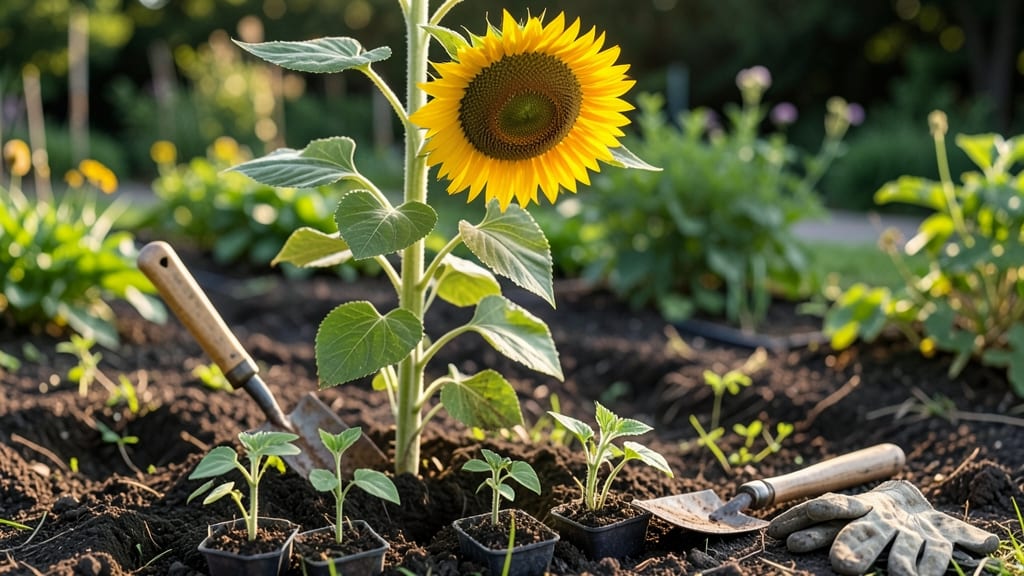
Planting sunflowers in New Mexico after the last frost—typically between mid-April and early May—sets them up for fast, towering growth and vibrant blooms 🌻.
New Mexico’s high desert climate demands precision timing to grow sunflowers that reach towering heights and vibrant blooms—but planting too early or late can mean stunted growth or wasted seeds. Discover the exact USDA zone-specific windows for planting sunflowers in New Mexico, plus pro tips to maximize your harvest.
Whether you're in Albuquerque’s USDA Zone 7 or Las Cruces’ Zone 8, the key is waiting for soil temperatures to stabilize above 55°F and avoiding late frosts that can devastate young seedlings.
Below, I break down the ideal planting schedule by region, soil prep secrets for New Mexico’s dry conditions, and how to adjust for altitude and microclimates—so you can grow sunflowers that thrive from seed to harvest.
Best planting timeline for sunflowers in New Mexico by USDA Zone
New Mexico’s USDA Zones 5-8 create unique challenges for sunflower growers, where high elevation and dry heat can drastically alter planting windows. Unlike coastal regions, sunflowers here thrive when planted after soil temperatures consistently reach 50°F (10°C), typically between late March and mid-May.
Missing this window risks frost damage or stunted growth from erratic desert temperatures.
For fast, healthy growth, align your planting with local frost dates and moisture availability. In Zone 5 (northern NM), wait until mid-April to avoid late frosts, while Zones 7-8 (southern NM) can start as early as late February.
Fall planting is risky but possible in Zone 8—seeds must germinate before first frost (mid-October).
Soil temperature is your best guide: use a soil thermometer to confirm 50°F+ before planting. In Albuquerque (Zone 7), this usually happens by early April, while Santa Fe (Zone 6) may wait until mid-April. Las Cruces (Zone 8) can start earlier, but water scarcity often dictates timing more than frost.
For spring planting, aim for 6-8 weeks before first frost to ensure mature blooms.
In Zone 7 (Albuquerque), this means planting by mid-April for July harvests. Dwarf varieties (3-6 ft) mature faster (50-60 days) than giant varieties (100+ days), so adjust timing accordingly. Pre-soak seeds for 24 hours to speed germination in dry soil.
Fall planting is high-risk but possible in Zones 7-8. Start seeds indoors by late August and transplant by mid-September to ensure seed heads mature before frost.
Use row covers to extend the season. Las Cruces growers can push this to early October, but monitor nighttime temperatures closely—sunflowers wilt at 32°F (0°C).
Watering strategies differ by elevation: High-desert areas (Santa Fe) need deep watering every 7-10 days, while lowland deserts (Las Cruces) may require daily watering for seedlings due to evaporative stress. Always water at soil level, not the leaves, to prevent fungal diseases like powdery mildew.
Prepare soil by amending with compost to retain limited moisture. Sunflowers are drought-tolerant once established, but young plants need consistent water. In Zone 5, mulch heavily with straw or wood chips to insulate roots from
How to adjust planting time for New Mexico’s unique microclimates
New Mexico’s dramatic elevation shifts—from Santa Fe’s 7,000-foot plateau to Las Cruces’ 3,800-foot desert lowlands—create microclimates that can shift planting windows by weeks.
In high-elevation areas like Taos or Los Alamos (USDA Zone 6), sunflowers should wait until mid-May to avoid late frosts, while Albuquerque (Zone 7) gardeners can start as early as late March.
For desert lowlands like Las Cruces (Zone 8), the real challenge isn’t cold but intense summer heat—planting in early spring (February-March) lets seeds germinate before temperatures soar.
Meanwhile, urban heat islands in cities like Albuquerque or Rio Rancho can push planting back by 2-3 weeks compared to rural areas.
- High Elevation (Santa Fe, Taos): Delay planting until after May 15—soil warms slower, and late frosts linger. Use black plastic mulch to accelerate warming.
- Desert Lowlands (Las Cruces, Deming): Start seeds indoors in February or direct-sow by mid-March. Prioritize shade cloth for summer protection.
- Urban Heat Islands (ABQ, Rio Rancho): Plant 2-3 weeks later than rural areas. Opt for dwarf varieties like 'Teddy Bear' to reduce heat stress.
- Rio Grande Valley (Zone 9): Sow year-round in microclimates with irrigation. Use drip irrigation to combat evaporation.
- Soil Prep for All Regions: Amend with compost + gypsum (for clay soils) or sand (for desert loams). Test pH—aim for 6.0-7.0.
Soil preparation varies wildly across New Mexico. In high-desert areas, incorporate 3-4 inches of compost to retain moisture, while southern desert soils benefit from gypsum to break up compacted clay. Always water deeply before planting—sunflower roots need 12-18 inches of moisture to establish.
Watering strategies must adapt to microclimates. In Santa Fe’s thin air, water every 3-4 days in summer, while Las Cruces’ intense sun demands daily watering for seedlings until roots establish. Use mulch rings to lock in moisture—critical for drought-prone zones like the Chama Valley.
For urban gardeners, container-grown sunflowers in heat-reflective pots can extend the season by 4-6 weeks. Choose heat-tolerant varieties like 'Autumn Beauty' or 'ProCut' for longer harvest windows in Zone 8+ areas.
Adjust your planting calendar by 10-14 days based on your specific microclimate—this precision turns New Mexico’s challenges into opportunities for bigger, healthier sunflowers 🌻.