
Plants
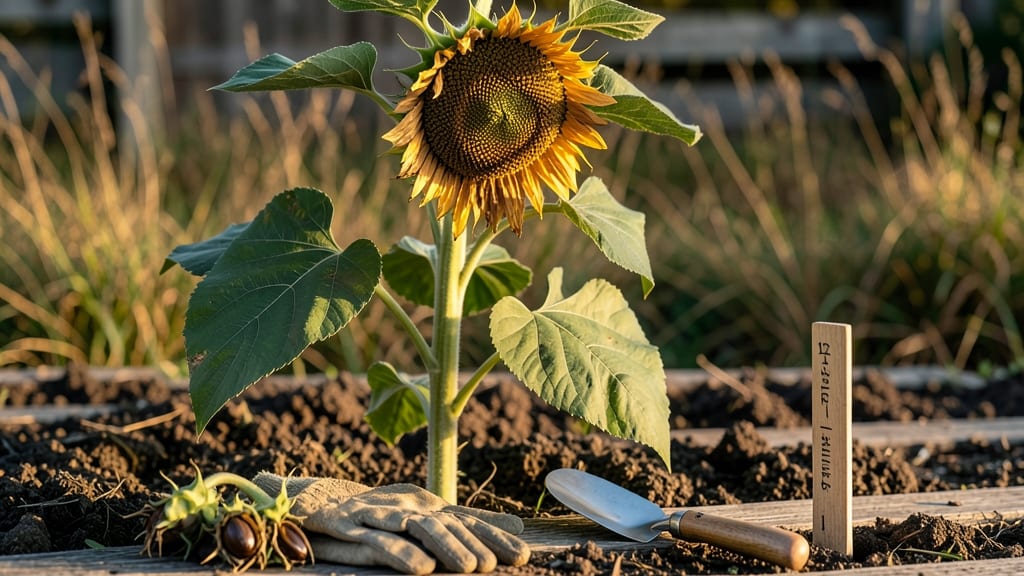
Planting sunflower seeds in Georgia at the right time ensures fast growth and towering blooms 🌻 — aim for late March through early April, when soil temperatures hit 55°F.
Georgia’s warm climate and long growing season make it a sunflower lover’s paradise—but timing your planting wrong can leave you with stunted blooms or early frost damage.
Whether you’re growing giant varieties for show or dwarf types for containers, getting the dates right is the key to vibrant flowers and healthy seeds.
In this guide, I’ll break down the ideal months for planting in Georgia’s 7b-8b zones, including regional tweaks for coastal areas versus the Piedmont. You’ll also learn how to prep your soil, adjust for late summer plantings, and avoid common pitfalls like bolting or pests.
By the end, you’ll know exactly when to plant for maximum height and fast growth, whether you’re a first-time gardener or a seasoned pro looking to push your sunflowers to new heights.
Best months to plant sunflower seeds in Georgia for fast growth
Sunflowers thrive in Georgia’s USDA zones 7b-8b, where warm springs and long summers create perfect conditions for towering blooms. But timing matters—plant too early, and frost may nip young sprouts; too late, and you’ll miss peak summer growth.
The ideal planting window balances soil warmth and daylight for explosive growth.
Georgia’s last frost date typically falls around March 15, signaling the start of prime planting season. However, sunflower seeds need soil temperatures above 55°F to germinate reliably. In North Georgia’s cooler microclimates, wait until mid-April for safety, while South Georgia gardeners can start as early as late February.
| Planting Window | Soil Temp Requirement | Expected Bloom Time | Key Considerations |
|---|---|---|---|
| Late February - Early March | 55°F+ (South GA only) | June - July | Risk of late frost; use row covers |
| Mid-March - April | 60°F+ (Statewide) | July - August | Optimal for giant varieties |
| Late August - September | 65°F+ (Warm soil) | October - November | Fall-blooming varieties; avoid late planting |
For fastest growth, focus on spring planting between March and April. This timing ensures sunflowers receive Georgia’s longest daylight hours (14+ hours in June) during their critical growth phase. Dwarf varieties like 'Teddy Bear' can handle cooler soil temperatures, making them ideal for early March plantings.
Don’t overlook late summer planting (August-September) for fall blooms. While these sunflowers won’t reach their full height, they’ll still produce vibrant flowers before winter. Choose short-day varieties like 'Autumn Beauty' for reliable fall performance in Georgia’s USDA zone 8 areas.
Soil preparation is critical—amend your beds with compost to improve drainage, as sunflowers hate soggy roots. Test your soil’s pH (6.0-7.0) and add lime if needed. In North Georgia’s cooler zones, use black plastic mulch to warm soil faster and extend the growing season.
Water deeply after planting to encourage strong root development, but avoid overwatering once established. Sunflowers are drought-tolerant once their taproots establish (typically 3-4 weeks after germination). In South Georgia’s heat, mulch with straw to retain moisture and prevent weed competition.
Watch for bolt-resistant varieties if you’re planting early. Some sunflowers may flower prematurely in Georgia’s mild winters, especially in zone 8. Choose 'ProCut' or 'Mammoth' for reliable height and bloom timing when planted in April.
For continuous blooms, stagger plantings every 2-3 weeks from March through May. This succession planting technique ensures fresh sunflowers throughout summer and early fall. In coastal Georgia, where humidity is higher, space plants 12 inches apart to improve airflow and prevent fungal diseases.
Remember that sunflowers follow the sun—plant them where they’ll receive 6-8 hours of direct sunlight daily. A south-facing garden bed with afternoon shade is ideal for Georgia’s intense summer sun. If your yard lacks full sun, consider container growing near a sunny wall or patio.
Sunflower variety planting guide by Georgia’s microclimates
Georgia’s diverse geography—from the humid coastal plains to the cooler mountain regions—means your sunflower planting dates should vary by location. The Piedmont region (like Atlanta) offers a longer growing season, while mountain areas (like Blue Ridge) need earlier starts.
Even coastal Georgia (Savannah) benefits from staggered planting to escape summer heat. Let’s break down the best planting windows for each microclimate and sunflower type.
Sunflowers in Georgia fall into three main categories: giant varieties (10+ feet tall), dwarf varieties (2-4 feet), and oilseed types (like Mammoth or Autumn Beauty). Each thrives on slightly different timing.
For example, giant varieties need a long, frost-free season, while dwarf types can handle cooler temps and shorter seasons. Oilseed varieties often mature faster, making them ideal for late-summer plantings.
| Georgia Region | Best Planting Window | Ideal Varieties | Key Notes |
|---|---|---|---|
| Coastal (Savannah, Brunswick) | Late March–April (spring) or August–early September (fall) | Dwarf (Teddy Bear), Oilseed (Russian Mammoth) | Avoid June plantings—humidity risks fungal diseases. Use mulch to retain moisture. |
| Piedmont (Atlanta, Macon) | Mid-March–May (spring) or late July–August (fall) | Giant (Sunspot), Semi-Dwarf (ProCut) | Longer season allows giant varieties. Stagger plantings every 2 weeks for continuous blooms. |
| Mountains (Blue Ridge, Dahlonega) | Late April–May (spring only) | Dwarf (Sunflower ‘Pompon’), Early Oilseed (Autumn Beauty) | Cooler temps favor dwarf varieties. Use black plastic mulch to warm soil faster. |
If you’re growing giant sunflowers in the Piedmont, aim for a May 1 planting date to ensure they reach their full 10–14-foot potential before the first frost.
In contrast, coastal Georgia gardeners can push the envelope with a late August planting for a fall harvest, but choose heat-tolerant varieties like ProCut or Autumn Beauty.
For mountain regions, stick to dwarf varieties or early-maturing oilseeds. The shorter growing season means you’ll miss out on giant blooms, but you can still enjoy 2–4-foot sunflowers by planting in late April. Use row covers in early spring to accelerate germination in cooler soil.
Pro tip: Test your soil temperature before planting—sunflower seeds need 55°F+ soil to germinate. In coastal areas, soil warms faster in spring, while mountain soils may need black plastic mulch for 2–3 weeks pre-planting. Adjust your planting dates based on these local conditions for the best results.
Remember, sunflowers are annuals, so each season is a fresh start. Experiment with succession planting—try a mix of spring and fall plantings in the Piedmont to enjoy blooms from June through October.
With the right timing, your Georgia garden can be a sunflower spectacle all season long! 🌻