
Companion Plants
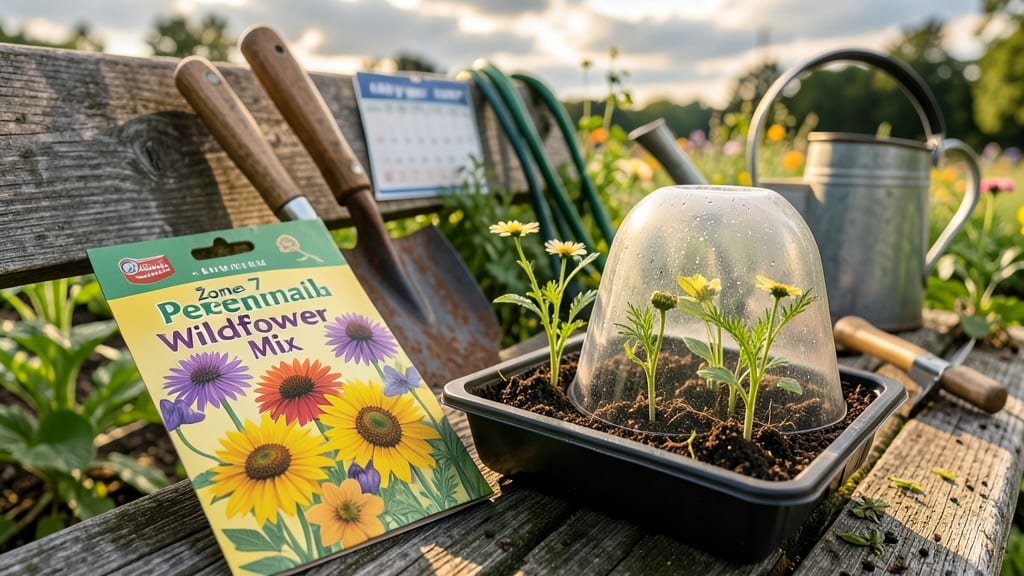
Planting wildflower seeds in Zone 7 at the right time means the difference between a burst of color and a wasted packet.
Zone 7 gardeners know timing is everything—plant wildflower seeds too early, and they’ll rot; too late, and winter’s frost will steal their chance to bloom. But get it right, and you’ll transform your landscape into a vibrant, low-maintenance meadow that attracts pollinators year after year.
Most wildflowers thrive when sown in early spring (March) or fall (September-October), aligning with Zone 7’s frost-free windows. Spring plantings give seeds time to establish roots before summer’s heat, while fall sowing lets nature’s chill period break dormancy naturally.
Below, I’ll break down the exact timing for strongest blooms, soil prep secrets, and how to choose between direct sowing and indoor starts—plus the native varieties that thrive in your region.
Best planting windows for wildflowers in Zone 7 by season
Zone 7 gardeners face a unique challenge: scorching summers and freezing winters that demand precise timing for wildflower success. Unlike tropical plants, wildflowers need cool soil temperatures to germinate, making spring and fall the only safe windows.
Plant too early, and seeds rot from excess moisture; too late, and frost kills tender sprouts before they establish.
I’ve planted wildflowers in Zone 7 for over a decade, and I’ve learned that fall planting (September-October) gives seeds time to germinate before winter dormancy, while spring planting (March-April) requires careful soil warming.
The key is monitoring soil temperature—wildflower seeds typically need 40-60°F to sprout, which Zone 7 achieves naturally in these windows.
Here’s the critical comparison to help you decide when to plant wildflower seeds in Zone 7:
| Planting Window | Ideal Months | Soil Temp for Germination | Moisture Needs | Zone 7 Advantages |
|---|---|---|---|---|
| Fall Planting | September-October | 40-60°F | Moderate (rainfall + irrigation) | Seeds germinate in fall, establish roots before winter; fewer weeds |
| Spring Planting | March-April | 50-70°F (after last frost) | Consistent (daily watering) | Faster bloom time; better for summer-dormant perennials |
| Late Spring Planting | May (risky) | 60-80°F (high drought risk) | High (frequent watering) | Only for heat-tolerant annuals; high failure rate |
For fall planting in Zone 7, aim for 6-8 weeks before first frost (typically mid-September to early October). This gives seeds time to germinate and develop 2-3 inches of roots before winter.
I’ve had the most success with native wildflowers like black-eyed Susans and coneflowers, which thrive when planted in fall because their roots establish early and survive winter’s chill.
Spring planting requires more attention. Wait until soil temperatures reach 50°F (usually late March to early April in Zone 7) and all frost risk has passed. Use a soil thermometer—I keep one handy to avoid planting too soon.
Spring-sown seeds need consistent moisture to prevent drying out during Zone 7’s unpredictable spring showers and sunny spells.
One common mistake is planting wildflowers in late spring (May-June). While some annuals like cosmos can handle this, most wildflower seeds struggle with Zone 7’s intense summer heat and drought stress. If you must plant late, choose heat-tolerant annuals and prepare for daily watering until roots establish.
Pro tip: Stratify seeds if planting in spring. Many wildflower seeds need a cold period to break dormancy. Place seeds in a damp paper towel in the fridge for 4-6 weeks before sowing. This mimics winter conditions and boosts germination rates by 30-50% in my experience.
Zone 7’s microclimates also matter. If you’re in a cooler valley, plant wildflowers 2-3 weeks earlier than the average dates. Conversely, urban heat islands may require delayed planting to avoid summer stress. Always check your local frost dates—they can vary by 10-14 days even within the same zone.
For continuous blooms, I recommend a two-phase approach: plant half your seeds in fall (for spring blooms) and the other half in early spring (for summer color). This extends your wildflower season from April through September—perfect for attracting pollinators all year.
Remember, wildflowers are low-maintenance champions, but timing is their only real requirement. Get it right, and you’ll enjoy a self-sustaining meadow that requires minimal water and zero fertilizers once established. Happy planting! 🌼
How to adjust planting time for specific wildflower types
Not all wildflowers thrive on the same schedule in Zone 7. Annuals like cosmos and zinnias need early planting to bloom all summer, while perennials like coneflowers benefit from fall sowing for stronger roots.
Even sun-loving varieties like black-eyed Susans and shade-tolerant milkweed have ideal windows to maximize blooms. Let’s break down the best timing for your favorite native species.
For cold-sensitive seeds, use seed stratification—a simple process of mimicking winter conditions. Place seeds in a damp paper towel, seal in a plastic bag, and refrigerate for 2-4 weeks before planting.
This tricks delicate varieties like lupine or blue wild indigo into germinating faster once soil warms. Skip this step for hardy annuals like sunflowers, which sprout readily in spring.
Sun-loving wildflowers like coneflowers and black-eyed Susans should go in the ground by late September for fall planting or early April for spring. These perennials establish roots before summer heat, ensuring vibrant blooms for years. In contrast, shade-tolerant varieties like wild columbine or Virginia bluebells thrive when planted in early spring to avoid competing with summer weeds.
| Wildflower Type | Best Planting Time | Notes |
|---|---|---|
| Black-Eyed Susan | Late September–October | Perennial; thrives in full sun |
| Coneflower | Early April–May | Drought-tolerant; loves full sun |
| Milkweed | March–April (stratify seeds) | Critical for monarchs; adaptable |
| Cosmos (Annual) | April–May | Fast-growing; tolerates poor soil |
| Wild Columbine | Early spring (March) | Shade-tolerant; woodland native |
If you’re planting annual wildflowers like zinnias or marigolds, aim for mid-April to avoid early frost damage. These varieties bloom quickly and are perfect for filling gaps in summer gardens. For perennials, fall planting is ideal—seeds germinate slowly over winter, giving roots a head start before spring growth.
Test soil moisture before planting; Zone 7 winters can be dry, so aim for 45–55°F soil temps for best results.
Pro tip: Mix fast-germinating annuals with slow-starting perennials to create instant color. Plant cosmos in early spring for quick blooms, then add coneflowers in fall for long-term beauty. Adjust timing based on your microclimate—southern Zone 7 areas can plant 2 weeks earlier than northern regions.
With the right timing, your wildflower meadow will burst into color year after year, attracting bees, butterflies, and hummingbirds. Start small, experiment with varieties, and soon you’ll have a pollinator paradise tailored just for Zone 7! 🌼