
Flowers
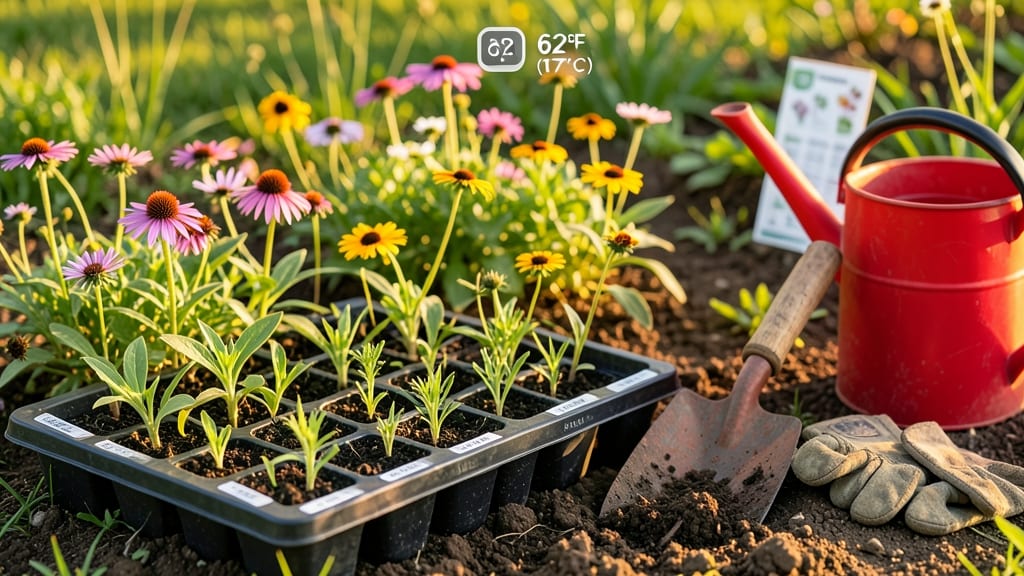
Planting wildflowers in Virginia at the right time ensures vibrant blooms from spring to fall 🌼—and the key window is either late summer/fall or early spring, depending on your USDA zone.
Virginia’s diverse climate—from the mountains to the coast—means wildflower planting timing can make or break your meadow’s success. Plant too early, and frost strikes; too late, and summer heat stifles growth.
Whether you’re in the cooler Zone 5b of the Shenandoah Valley or the warmer Zone 8a near Norfolk, the right timing maximizes germination and minimizes weeds. Below, I break down the exact months for each zone, plus soil prep tips and native species that thrive.
You’ll learn how to avoid common mistakes, like planting when soil is still too cold or choosing seeds that won’t survive your microclimate. By the end, you’ll have a low-maintenance plan for a pollinator-friendly meadow that blooms year after year.
Virginia’s wildflower planting calendar by USDA Zone (5-8)
Timing is everything when planting wildflowers in Virginia’s varied climate. The last frost dates shift dramatically from the Blue Ridge Mountains (Zone 5b) to the Tidewater coast (Zone 8a), requiring precise planting windows.
Fall planting offers cooler soil temps and fewer weeds, while spring planting ensures summer blooms—but only if you act before mid-April in most zones.
Native species like black-eyed Susans and purple coneflowers thrive with proper timing, while annuals such as cosmos and sunflowers need warm soil to germinate. Below, I’ve mapped out the exact months for each USDA zone, including soil temperature thresholds and frost-free windows to maximize your wildflower meadow’s success.
🌱
For Zone 5b gardeners in the mountains, fall planting is critical—seeds sown in late September will germinate before winter, while spring planting must wait until soil warms to 55°F or higher.
In Zone 8a’s coastal regions, you can start as early as February, but avoid planting after March 15 to prevent summer drought stress.
🌿
Perennials like purple coneflower benefit from fall planting, as cooler temps encourage root establishment before summer’s heat. Annuals such as cosmos and sunflowers should be sown directly after your last frost date, typically mid-April in Zone 6a and early March in Zone 8a.
If you’re planting for immediate summer color, opt for fast-growing annuals like zinnia or marigold in late spring.
Pro tip: Use a soil thermometer to confirm temps—most wildflower seeds need 55–75°F soil to germinate. In cooler zones, consider lightly covering seeds with mulch to retain warmth. For Zone 5b, a cold frame can extend your spring planting window by 2–3 weeks.
☀️
Don’t overlook microclimates—a south-facing slope in Zone 6a may warm up 2–3 weeks earlier than a shaded valley. Test your soil’s readiness by pressing a thermometer 2 inches deep—if it reads below 55°F, wait.
In Zone 8a, where winters are mild, you can even plant winter annuals like sweet alyssum in October for early spring blooms.
Finally, stratify seeds if planting in fall—many native species (like milkweed) need a cold period to break dormancy. Simply mix seeds with moist
Best wildflower seed types for Virginia’s climate and when to sow them
Virginia’s diverse ecosystems support a stunning array of wildflowers that thrive with minimal care. Choosing the right native species ensures vibrant blooms while supporting local pollinators. Here are 12 top-performing wildflowers for USDA Zones 5-8, including their ideal planting windows and care requirements.
Timing is everything—most Virginia wildflowers prefer fall sowing (September-October) for spring blooms or early spring (March-April) after the last frost. Annuals like cosmos and zinnias germinate quickly, while perennials such as coneflowers establish deeper roots when planted in cooler months.
| Wildflower | Planting Window | Bloom Season | Sunlight Needs | Height (ft) |
|---|---|---|---|---|
| Black-Eyed Susan | Fall or Spring | Summer-Fall | Full Sun | 1-3 |
| Purple Coneflower | Fall or Spring | Summer-Fall | Full Sun-Partial Shade | 2-4 |
| Butterfly Weed | Spring | Summer | Full Sun | 1-2 |
| Coreopsis | Fall or Spring | Spring-Summer | Full Sun | 1-2 |
| Wild Bergamot | Fall or Spring | Summer-Fall | Full Sun-Partial Shade | 2-4 |
| Cosmos | Spring (after frost) | Summer-Fall | Full Sun | 2-4 |
| Goldenrod | Fall or Spring | Late Summer-Fall | Full Sun-Partial Shade | 1-3 |
| Milkweed | Spring | Summer | Full Sun | 1-3 |
| Aster | Fall | Fall | Partial Shade-Full Sun | 1-4 |
| ★★★★★4.5(1 review) |