
Flowers
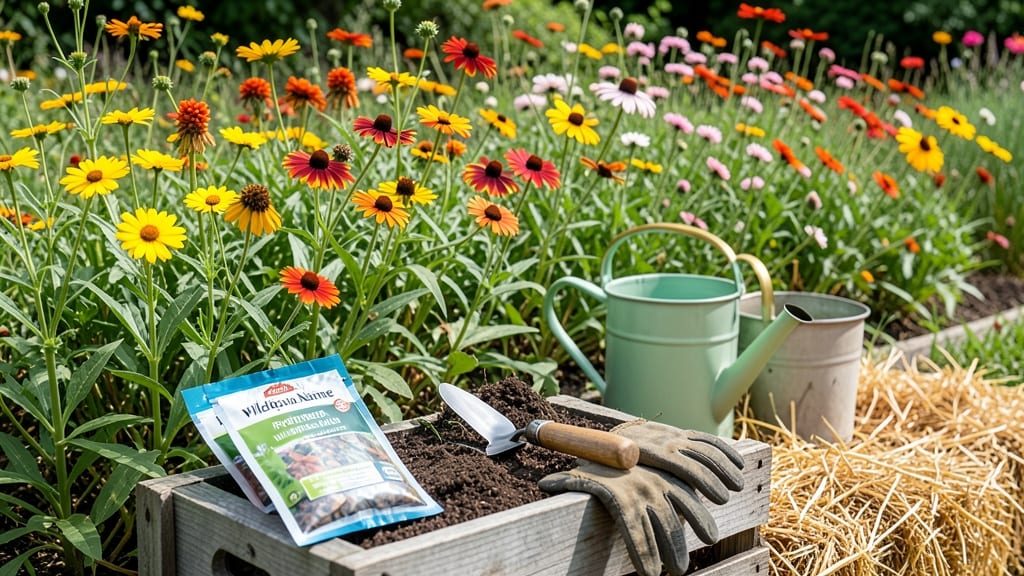
Planting wildflowers in Florida at the right time ensures vibrant blooms year-round without the struggle of heat stress or sparse growth.
Florida’s warm climate makes it a paradise for wildflowers—but planting at the wrong time can mean sparse blooms or struggling plants. Timing your wildflower seeds by USDA zone is the secret to continuous color that thrives in Florida’s heat and humidity.
Whether you’re in Zone 8a or Zone 11, fall and spring are the best windows for sowing native varieties like black-eyed Susans and coreopsis. This guide breaks down the ideal months for each region, plus soil prep and care tips to keep your wildflowers 🌼 flourishing.
You’ll learn how to avoid common mistakes, extend blooms through the seasons, and choose the right wildflowers for your yard’s sunlight and soil. Let’s get those seeds in the ground the right way!
Florida wildflower planting calendar by USDA Zone (North vs. Central vs. South)
Florida’s three USDA zones—8a (North), 8b (Central), and 9a (South)—offer slightly different microclimates for wildflower planting. While frost is rare, timing still matters to avoid heat stress or overcrowding.
My fall planting strategy yields the best results, but spring is a close second for native perennials like milkweed and coreopsis.
In Zone 8a (North Florida), cooler winters and occasional light frosts (below 25°F) mean late winter is ideal for spring-blooming varieties like black-eyed Susans. Meanwhile, Zone 9a (South Florida) enjoys year-round warmth, allowing continuous planting with drought-tolerant species like blanket flower.
Central Florida (Zone 8b) strikes a balance, with fall being the sweet spot for winter bloomers like snow-on-the-mountain. This zone also benefits from extended growing seasons, letting you plant summer annuals like Mexican sunflower as early as February.
| Zone | Best Planting Months | Key Wildflowers | Bloom Period | Notes |
|---|---|---|---|---|
| 8a (North) | Feb-Apr, Sep-Oct | Black-eyed Susan, Coreopsis, Purple Coneflower | Spring-Fall | Avoid planting in summer heat |
| 8b (Central) | Jan-Apr, Aug-Sep | Milkweed, Blanket Flower, Snow-on-the-Mountain | Year-round (seasonal) | Fall planting for winter color |
| 9a (South) | Year-round (best in fall) | Mexican Sunflower, Firewheel, Tropical Milkweed | Spring-Fall (continuous) | Drought-resistant; minimal frost risk |
For Zone 8a, I recommend starting black-eyed Susan seeds in February to beat the summer heat.
These sun-loving perennials thrive when planted 4-6 weeks before last frost, which in North Florida can dip to 25°F in January. Coreopsis, another favorite, benefits from fall planting (September-October) to establish roots before winter.
In Central Florida (Zone 8b), milkweed is a must for monarch butterflies, and January-February is prime time to sow seeds. This pollinator magnet blooms from spring to fall, but fall planting ensures robust growth. Blanket flower also excels here—its orange blooms last from summer to frost.
South Florida’s Zone 9a gardeners enjoy year-round planting flexibility, but I still prioritize fall for tropical milkweed and Mexican sunflower. These heat-tolerant varieties thrive with minimal care and drought resistance, making them perfect for low-maintenance landscapes.
Pro tip: Pre-soak seeds for 24 hours before planting to improve germination rates. In sandy Florida soil, mix seeds with compost to retain moisture. Lightly rake after sowing to ensure seed-to-soil contact—this is critical for fine wildflower seeds.
After planting, water deeply but infrequently to encourage deep root growth. In Zone 8a, reduce watering in winter to prevent root rot, while Zone 9a may need extra water only during extended dry spells. Mulch lightly with pine straw to retain moisture without smothering seedlings.
To extend blooms, deadhead spent flowers regularly. This simple task tricks plants into reblooming for months longer. In Zone 8b, I’ve seen coreopsis flower from spring to frost with consistent deadheading. Pair wildflowers with native grasses like muhly grass for year-round texture.
For pollinator power, mix milkweed with
Best wildflower types for Florida’s seasons and how to extend blooms year-round
Florida’s four distinct seasons create perfect conditions for seasonal wildflower blooms, but the key to year-round color is choosing the right varieties for each time of year. Spring wildflowers like black-eyed Susans and coreopsis thrive in cooler temperatures, while summer-blooming varieties such as blanket flowers handle Florida’s intense heat.
Even winter can bring color with frost-tolerant options like wild indigo.
To create a continuous bloom cycle, I recommend planting a mix of annuals and perennials that overlap in their flowering seasons.
For example, spring-blooming lupines can transition into summer-blooming snapdragons, while fall-planted aster varieties extend color into winter. Drought-resistant species like goldenrod and partridge pea are especially valuable in Florida’s dry spells.
Here’s how to maximize your wildflower garden’s seasonal impact with the right plant choices and care:
- 🌸 Spring (Feb-Apr): Plant black-eyed Susans and coreopsis for bold summer blooms. Scatter seeds after last frost risk (none in most of Florida, but North Florida may wait until March).
- ☀️ Summer (May-Jul): Sow blanket flowers and snapdragons for late summer/fall color. Water deeply weekly to establish roots before Florida’s dry season.
- 🍂 Fall (Aug-Oct): Choose asters and wild indigo for winter interest. Plant in September to avoid summer heat stress and ensure winter blooms.
- ❄️ Winter (Nov-Jan): Add lobelia and sweet alyssum for cool-season color. Mulch lightly to protect roots from occasional cold snaps in North Florida.
For pollinator-friendly gardens, pair wildflowers with native companion plants like milkweed (for monarchs) and bee balm (for hummingbirds). These companion pairings create a continuous nectar source and attract beneficial insects year-round. For example, purple coneflower blooms from summer to fall, while blue porterweed thrives in heat and provides late-season color.
To extend blooms year-round, I recommend deadheading spent flowers regularly and mulching with compost to retain moisture. Drought-resistant varieties like partridge pea and coreopsis need minimal water once established, making them ideal for Florida’s variable rainfall.
For shadier areas, try wild columbine or foxglove, which tolerate partial shade while still attracting pollinators.
Don’t forget to rotate your plantings every 2-3 years to prevent soil depletion. Fall planting (August-September) is my top recommendation for Florida—it gives seeds time to germinate before winter rains and ensures vibrant spring blooms.
With the right mix of seasonal varieties and proactive care, your wildflower garden can burst with color every month of the year.