
Plants
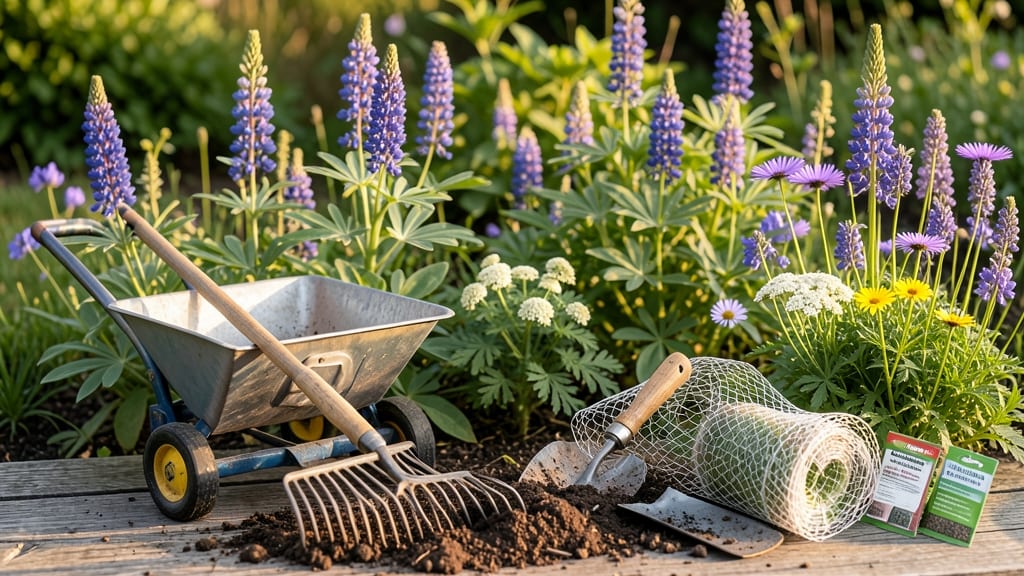
Plant wildflower seeds in Oregon during late winter to early spring or fall, when moisture and temperatures align for the best germination 🌼 — a two-season strategy that turns your yard into a pollinator paradise.
Oregon’s unpredictable weather and diverse microclimates can make wildflower gardening a gamble—unless you plant at the perfect time. Timing your seeds right ensures vibrant blooms year-round, from coastal rain gardens to high-desert meadows.
Coastal areas thrive with fall plantings in September or October, while inland zones like the Willamette Valley benefit from early spring sowing in March or April. The key? Matching seed types to your region’s frost dates and rainfall patterns.
Below, I’ll walk you through the exact months for your zone, soil prep tricks to boost success, and how to care for your wildflowers once they pop up—so you can enjoy months of color without the guesswork.
Oregon’s wildflower planting calendar: month-by-month guide for native species
Timing your wildflower seeds perfectly in Oregon means accounting for four distinct climates: coastal rain gardens, the Willamette Valley’s mild winters, the high desert’s dry heat, and the Cascade Mountains’ alpine zones. Each demands a unique approach to maximize germination rates and seasonal blooms.
My strategy? Plant when nature’s moisture aligns with seed dormancy needs—usually September through November for fall bloomers or March through April for spring ephemerals.
Oregon’s winter rains create ideal conditions for fall planting, while spring’s warming soil triggers germination for early bloomers. For example, coastal regions like the Oregon Coast can start as early as August, while high desert areas like Bend often wait until October to avoid summer drought stress.
The key is understanding your last frost date—typically March 15 in the West and April 15 in the East—and planting 6-8 weeks before to ensure roots establish before winter.
Here’s my region-specific planting calendar, tailored to Oregon’s native species and moisture patterns:
For spring ephemerals like Trillium or Bleeding Heart, I plant seeds in September so they undergo cold stratification naturally. These early bloomers need a head start, as they’ll flower before summer perennials like Black-Eyed Susan or Blanket Flower take over.
In contrast, summer-blooming natives such as Lupinus or Gilia thrive when sown in late winter (February–March), giving them time to establish roots before June’s heat.
In high-desert zones, I avoid planting before October to prevent seeds from drying out. Instead, I rely on natural winter rains to trigger germination. For example, California Poppies (Eschscholzia) in Bend need consistent moisture for the first 30 days, so I water lightly until spring rains take over.
This moisture-dependent timing is critical—too early, and seeds rot; too late, and they miss the optimal germination window.
One of my pro tips for Oregon gardeners? Use seed scarification for tough-coated seeds like Lupinus or Castilleja. Soak them in warm water overnight before planting in September.
This mimics natural weathering and boosts germination rates by 30–50%. Pair this with a light mulch layer (straw or leaves) to retain moisture during fall’s sporadic rains.
If you’re planting in coastal Oregon, focus on shade-tolerant species like Sword Fern (Polystichum) or Salal (Gaultheria) alongside wildflowers. These thrive in partial shade and complement moisture-loving bloomers such as Western Columbine (Aquilegia formosa).
In drier inland areas, opt for drought-resistant varieties like Yarrow (Achillea) or Purple Sage (Salvia), which need minimal post-planting water.
For fall planting, I always mark my calendar for September 15–October 15 as the sweet spot. This timing ensures seeds germinate before winter’s heaviest rains and establish roots before dormancy
How Oregon’s climate affects wildflower seed germination: rainy-season strategies
Oregon’s winter rains aren’t just a challenge—they’re a gardener’s secret weapon for wildflower success. Unlike drier climates, our consistent moisture creates perfect conditions for fall/winter planting, allowing seeds to germinate naturally when spring arrives.
The key? Understanding how to work with—not against—this wet season to maximize your wildflower meadow’s potential.
Native wildflowers like lupines and yarrow thrive when planted in September or October, taking advantage of Oregon’s mild autumn temperatures and steady rainfall. These conditions mimic their natural growth cycles, where seeds often sprout after winter’s moisture breaks dormancy.
But timing is everything—plant too early, and you risk seed rot from overwatering; too late, and frost may stifle germination.
⚠️ Critical Planting Window Alert!
Western Oregon: Plant September 15–October 15 to avoid early frost (avg. first frost: October 15).
Eastern Oregon: Aim for October 1–November 1 (later frost dates). Never plant after November 10—seeds won’t germinate before winter dormancy.
Coastal Areas: September 1–October 1 only—soil stays damp longer, increasing rot risk if planted late.
Before planting, pre-treat seeds for cold stratification, a natural process that mimics winter’s chill. Place seeds in a moist paper towel inside a sealed bag, then refrigerate for 4–6 weeks.
This breaks dormancy, ensuring faster, more uniform germination when spring arrives. For large seed batches, mix seeds with sphagnum moss and store in a ventilated container.
Oregon’s heavy rainfall can drown seeds if not managed properly. After sowing, use a light mulch layer (straw or pine needles) to prevent soil compaction and erosion. Avoid overwatering—once seeds are planted, rely on natural rain unless your area experiences a dry spell.
A 1-inch layer of mulch also helps regulate soil temperature, protecting tender seedlings from temperature swings common in Oregon’s transitional seasons.
One common mistake is planting seeds too deeply. Most wildflower seeds need only 1/4-inch coverage—any deeper, and they’ll struggle to reach sunlight. Scatter seeds lightly over prepared soil, then press them into the ground with a board or rake.
For sandy soils (common in eastern Oregon), mix seeds with a light compost to improve moisture retention without suffocating them.
Monitor your planting site for fungal diseases, which thrive in Oregon’s damp conditions. If you notice black mold or powdery mildew, improve airflow by thinning seedlings and avoid overhead watering.
Most wildflowers are drought-tolerant once established, but young plants need consistent moisture—aim for 1 inch of water per week during germination (either from rain or supplemental watering).
With the right strategy, Oregon’s rainy season becomes your greatest ally. By planting in fall, pre-treating seeds, and managing moisture, you’ll unlock a vibrant wildflower display that blooms from spring through summer—all while working with nature’s rhythm, not against it. 🌧️🌱