
Companion Plants
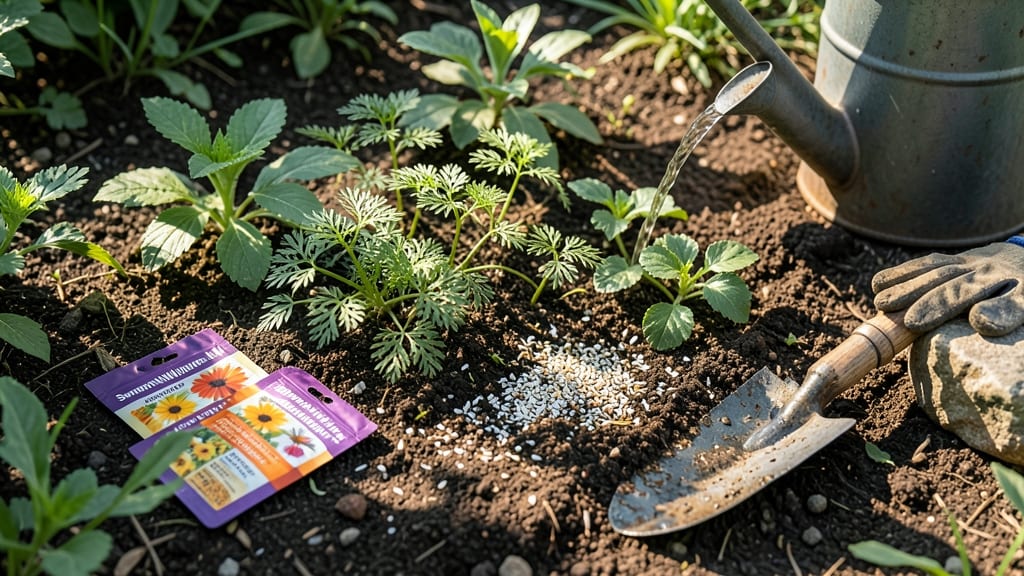
You can plant wildflower seeds in June, but success depends on your climate, soil prep, and the right varieties for late-season growth.
June might seem like a late start for wildflowers, but with the right timing and techniques, you can still create a vibrant meadow—here’s how to make it work in your region.
In cooler zones like USDA 6a, June planting is often ideal because summer heat hasn’t yet peaked, giving seeds a better chance to establish before winter. Meanwhile, in warmer areas, fast-growing, drought-tolerant species like cosmos or black-eyed Susans thrive when sown in late spring.
Below, I’ll cover soil prep, watering schedules, and the best wildflower species for June planting, so you can avoid common mistakes and enjoy blooms all season long.
June wildflower planting: ideal regions and best species for late-season success
June might feel like the wrong time to plant wildflowers, but many native species actually thrive when sown in late summer. The key lies in understanding your climate zone and selecting fast-germinating varieties that can establish roots before winter.
In cool coastal regions like the Pacific Northwest, June planting works beautifully, while hot inland areas may require shade cloth or afternoon watering to prevent seed desiccation.
Your success hinges on two critical factors: soil moisture and temperature tolerance. Most wildflower seeds need consistent moisture for 6-8 weeks after planting. In USDA Zones 3-6, focus on cool-season annuals that can handle mild summer heat, while Zones 7-10 gardeners should prioritize drought-resistant perennials that germinate quickly.
Let’s break down what works where.
| Climate Zone | Best June Species | Germination Time | Key Care Tip |
|---|---|---|---|
| Cool Coastal (Zones 3-6) | Sweet Alyssum, Bachelor's Buttons, Blue Flax | 7-14 days | Keep soil moist with morning watering |
| Mountain Regions (Zones 4-7) | Lupine, Columbine, Penstemon | 14-21 days | Use shade cloth if temps exceed 85°F |
| Hot Arid (Zones 7-10) | Black-Eyed Susan, Blanket Flower, Coreopsis | 5-10 days | Plant at dusk to reduce evaporation |
| Humid Southeast (Zones 7-9) | Milkweed, Purple Coneflower, Goldenrod | 10-14 days | Avoid overhead watering to prevent disease |
For cool coastal regions, I recommend Sweet Alyssum and Bachelor's Buttons—both germinate in 7-14 days and tolerate light frost. These fast-growing annuals will bloom by early August if planted before June 15th.
In mountain regions, Lupine and Penstemon are excellent choices, as they establish roots quickly and handle cooler summer nights better than most species.
If you're in a hot arid zone, prioritize drought-tolerant perennials like Black-Eyed Susan or Blanket Flower. These plants have deep taproots that access moisture below the surface, making them ideal for low-water landscapes.
Plant these varieties in late June to avoid the peak heat of July, and use mulch to retain soil moisture.
The humid Southeast presents unique challenges with high humidity and summer pests. Here, Milkweed and Purple Coneflower thrive because they're resistant to fungal diseases and attract beneficial pollinators.
To prevent seed rot, avoid overhead watering and consider drip irrigation instead. These species also handle partial shade, making them versatile for woodland edges.
One common misconception is that June planting won’t yield flowers until next year. However, many annual wildflowers planted in late summer will bloom by early fall if given consistent moisture.
For example, Cosmos and Zinnias often flower within 6-8 weeks of planting. To maximize your first-year blooms, choose fast-maturing varieties and maintain even soil moisture until they establish.
For perennial wildflowers, June planting sets the stage for multi-year blooms. Species like Echinacea and Rudbeckia need time to develop strong root systems before winter. Plant these in well-draining soil and water deeply once weekly for the first 8 weeks.
By next spring, you’ll see vigorous growth and long-lasting flowers that return year after year.
Regardless of your climate, always test your soil before planting. Wildflowers prefer slightly acidic to neutral pH (6.0-7.0). If your soil is too alkaline, amend it with peat moss or compost to improve germination rates.
A simple soil test kit (available at garden centers) will give you the data you need to adjust your planting strategy.
Remember, June planting isn’t about replicating spring conditions—it’s about working with your local climate. In dry regions, focus on shade and mulch; in humid areas, prioritize airflow and disease resistance.
With the right seed selection and care routine, your late-summer meadow can be just as stunning as one planted in spring.
Step-by-step June wildflower planting guide: soil prep to maintenance
June planting isn’t ideal, but with proper soil prep and careful timing, your wildflower meadow can still thrive. The key is creating the right conditions to outpace summer heat and drought.
Start by testing your soil moisture—June seeds need consistent dampness to germinate, so aim for well-draining yet moisture-retentive soil.
Choose fast-growing varieties like cosmos or sunflowers for June planting. These species tolerate heat better than traditional spring wildflowers. Pair them with drought-resistant natives to reduce watering demands once established. Always select seeds labeled for late-season planting to avoid disappointment.
🌱 Step-by-Step June Wildflower Planting Guide
- Step 1: Clear the area of weeds and debris. Use a rake to create a fine seedbed with loose soil.
- Step 2: Amend soil with 1-2 inches of compost or aged manure. This boosts organic matter and water retention.
- Step 3: Scatter seeds thinly (about 1/4 lb per 100 sq ft). Lightly rake to bury seeds 1/4 inch deep.
- Step 4: Water immediately with a fine mist to avoid displacing seeds. Keep soil consistently moist for 4-6 weeks.
- Step 5: Mulch lightly with straw (1 inch thick) to retain moisture and suppress weeds.
- Step 6: Water deeply 2-3 times weekly until seedlings appear (usually 10-21 days). Reduce to once weekly after germination.
- Step 7: Monitor for pests like aphids. Use neem oil if needed, but avoid synthetic chemicals.
After sowing, shade cloth can protect seedlings from intense afternoon sun. Remove it once plants reach 2-3 inches tall to encourage full sun adaptation. June-planted wildflowers may bloom later than spring varieties, but they’ll often rebloom into fall with proper care.
Fertilizer isn’t needed in June—focus on watering consistency instead. Over-fertilizing stresses seeds and attracts pests. If your soil is poor, a balanced organic fertilizer (5-5-5) applied lightly at planting helps, but avoid heavy doses.
By late July, reduce watering to every 10-14 days to harden off seedlings. This prepares them for summer drought conditions. Once established, most June-planted wildflowers need minimal care—just occasional deadheading to encourage more blooms.
With these steps, your June-planted wildflowers can still deliver colorful blooms by August. The key is patience and consistent moisture during the critical first 6 weeks. Happy planting! 🌻