
Flowers
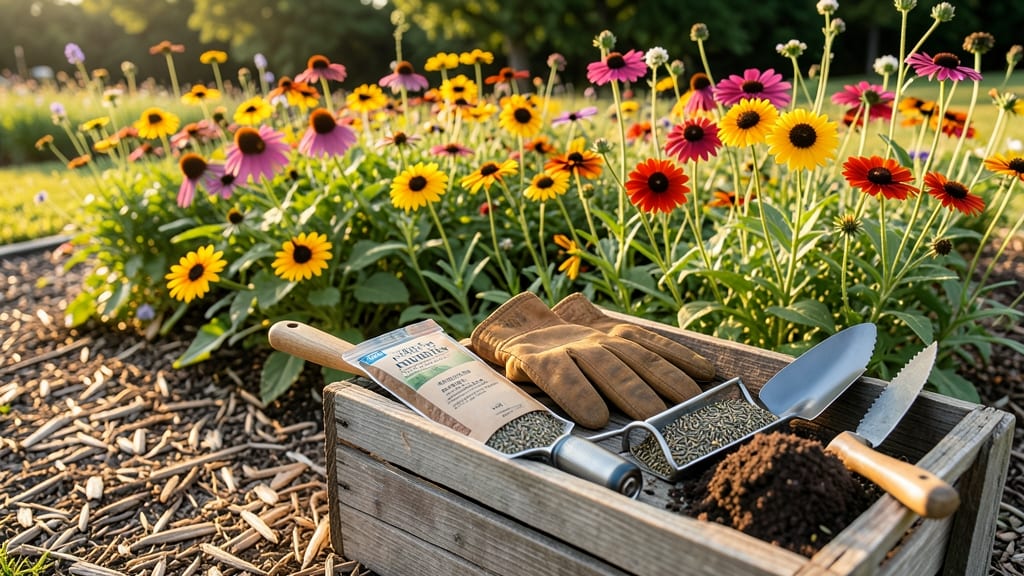
Plant wildflowers in Missouri between March and May for spring blooms or in September and October for fall-to-spring displays—timing this right unlocks year-round color and thrives in the state’s 5b-6b zones.
Missouri’s diverse USDA zones—from humid subtropical to continental climates—create the perfect canvas for wildflowers, but timing is everything to ensure vibrant blooms all year long. Whether you’re restoring prairie landscapes or adding pollinator-friendly bursts of color, planting at the wrong time can mean missed seasons of beauty.
Spring planting gives wildflowers a head start before summer’s heat, while fall sowing lets seeds germinate early and establish roots before winter. The key is avoiding late frosts—aim for after April 15 in most regions—or risk stunted growth.
Below, I’ll break down the best months by zone, soil prep tips for Missouri’s clay-heavy soil, and how to choose native species that bloom from spring through fall—so you can enjoy wildflower magic without the guesswork.
Missouri wildflower planting calendar by USDA zone and season
Missouri’s USDA zones 5b-7a create unique microclimates where wildflowers thrive, but planting timing varies dramatically between regions. The Ozarks’ rocky soils and humid river valleys near St. Louis demand different strategies.
Annuals like black-eyed Susans need precise timing, while perennial prairie plants benefit from fall sowing to establish roots before winter.
Spring planting typically begins after last frost dates (mid-April in southern zones to mid-May in northern areas), but fall planting offers advantages for drought-prone zones.
The key is understanding your specific USDA zone and local rainfall patterns—Missouri’s 20-30 inches annual rainfall varies wildly between the dry Ozarks and wet Bootheel region.
Comparison Table: Missouri Wildflower Planting by USDA Zone
In USDA zone 5b (northeast Missouri), where winters are harshest, I recommend fall planting for perennials like purple coneflower and blazing star. Seeds germinate in spring when soils warm, giving roots a head start. For annual wildflowers like sunflowers, wait until mid-April when soil temperatures exceed 50°F.
Zone 6a (central Missouri) offers the most flexibility. Both spring and fall planting work well here, but I prioritize fall sowing for perennials to avoid summer drought stress. Annuals like black-eyed Susans thrive when planted in early spring (March-April) for summer blooms.
For the Ozarks (zone 6b), where rainfall averages 35-40 inches annually but droughts occur, I adjust planting strategies. Drought-tolerant species like butterfly weed and goldenrod should be planted in early fall (September) to establish deep roots before summer dry spells.
Spring planting works too, but requires weekly watering until established.
Southern Missouri’s zone 7a experiences milder winters and higher humidity, perfect for moisture-loving wildflowers like Joe Pye weed and swamp milkweed. Here, I plant annuals in late winter (February-March) for early summer blooms, while perennials get fall attention (August-September) to capitalize on the region’s extended growing season.
Regardless of zone, I always prepare soil by removing weeds and loosening compacted clay. For drought-prone areas, I mix in compost to improve water retention. In wetter
Best wildflower species for Missouri’s climate and when to plant them
Missouri’s native wildflowers thrive when planted at the right time, transforming your landscape into a pollinator paradise from early spring to late fall. The key is matching bloom seasons with planting windows—whether you’re sowing seeds in cool fall months for spring blooms or early spring for summer color.
I’ve curated the top 10 Missouri-friendly species that adapt to our clay-heavy soils, humid summers, and variable frost dates.
For drought-tolerant options, consider purple coneflower and black-eyed Susan, while woodland gardens benefit from wild columbine and trillium. Each species has unique soil preferences—from sandy loam to compacted clay—so I’ve included planting strategies tailored to Missouri’s USDA zones 5b-6b.
Let’s dive into the best choices and their ideal timing.