
Flowers
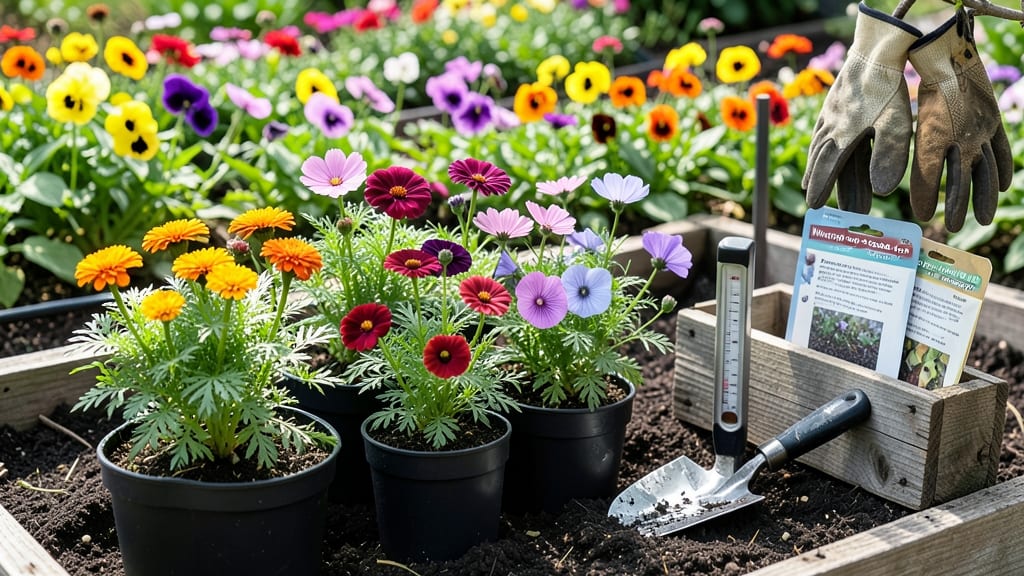
Planting flower seeds in Illinois at the right time means the difference between a garden bursting with color and a season of disappointment.
Timing is everything in gardening—plant flower seeds in Illinois too early, and frost will kill them; too late, and you’ll miss the full bloom season. Follow these exact planting windows by USDA zone to maximize your garden’s beauty and minimize wasted effort.
In Illinois’ USDA Zones 5-6, where last frosts linger until mid-April and first frosts arrive by mid-October, the planting window is narrow but critical.
Spring-planted 🌸 varieties like pansies and snapdragons need to be in the ground by early March, while summer bloomers like zinnias and marigolds wait until after the last frost.
Below, I break down the exact months for each zone, how to adjust for Illinois’ unpredictable weather, and which flowers thrive when planted in spring versus fall. No more guessing—just a foolproof schedule for a showstopping garden.
Illinois USDA zones & frost dates: your flower seed planting calendar
Illinois spans USDA zones 5a through 6b, meaning frost dates vary dramatically between northern Chicago suburbs (5a-5b) and southern St. Louis areas (6a-6b). These differences create 30-45 day shifts in your planting windows—critical for flower seeds that need precise timing to thrive.
For example, pansies can handle fall planting in zone 6b but will die if sown too early in zone 5a.
Northern Illinois (like Rockford or DeKalb) typically sees its last spring frost around April 15, while southern Illinois (like Carbondale or Marion) warms up by April 1.
The first fall frost arrives in mid-October in the north but can linger until late November in the south. These dates determine whether you’ll plant cool-season flowers in spring or warm-season varieties in summer.
Here’s the non-negotiable rule: Plant cool-season flowers (like snapdragons or sweet peas) 4-6 weeks before your last frost date, and warm-season flowers (like zinnias or sunflowers) 2 weeks after.
Rural areas often have earlier last frosts than cities due to urban heat islands, so adjust your timeline by 3-5 days if you’re in Chicago or Springfield.
For annual flowers like marigolds or zinnias, wait until soil temperatures hit 60°F—usually 2 weeks after your last frost date.
In zone 5a, this often means late May, while zone 6b gardeners can start as early as mid-April. Perennials like coneflowers or black-eyed Susans are more
Best flower seeds to plant by month in Illinois (with success tips)
Timing your flower seed planting in Illinois can transform your garden from a ho-hum patch to a showstopper. The key is understanding cool-season and warm-season plants—some thrive in March's chill, while others need May's warmth.
I've planted everything from pansies to zinnias and learned which months work best for each. Let's dive into the perfect planting schedule to ensure your flowers bloom all season long.
For Illinois gardeners, March through May is prime time for cool-season flowers like pansies and snapdragons. These hardy plants can handle light frosts and even snow in some zones.
Meanwhile, warm-season favorites like marigolds and sunflowers need to wait until after the last frost date, typically around mid-April in most regions. Skipping this timing can mean stunted growth or no blooms at all—don't let that happen to your garden dreams!
- 1. March: Start cool-season seeds indoors (pansies, snapdragons) or plant hardy varieties like calendulas directly outside.
- 2. April: Sow direct-sown seeds (e.g., lobelia, dianthus) after soil reaches 50°F. Transplant seedlings like petunias once frost risk passes.
- 3. May: Plant warm-season seeds (e.g., marigolds, zinnias) and transplant heat-loving flowers like geraniums after May 15.
- 4. June-July: Succession plant fast-growing annuals (e.g., cosmos, sunflowers) every 2-3 weeks for continuous blooms.
- 5. August: Start fall-blooming seeds (e.g., asters, chrysanthemums) indoors for September-October color.
Pro tip: Avoid overcrowding your seedlings—thin them to 12-18 inches apart for most flowers. I once planted too many marigolds too close together, and they fought for sunlight, resulting in weak, leggy stems.
Give them space to thrive! Also, prep your soil with compost before planting to ensure nutrient-rich growth from day one.
For warm-season flowers, wait until the soil temperature consistently stays above 60°F. Use a soil thermometer to check—this prevents slow germination or rot. I learned this the hard way with delayed zinnias that took forever to sprout. Patience is key, but so is timing!
Don’t forget about fall planting! Many flowers, like pansies and calendulas, can handle cool autumn temps and even light frosts. Plant these in August-September for spring blooms the following year. It’s a game-changer for extending your garden’s beauty into the chilly months.
Finally, mulch your flower beds after planting to retain moisture and regulate soil temperature. I use straw mulch because it’s affordable and effective. Just avoid piling it against plant stems to prevent rot.
With these tips, your Illinois flower garden will be the envy of the neighborhood! 🌸