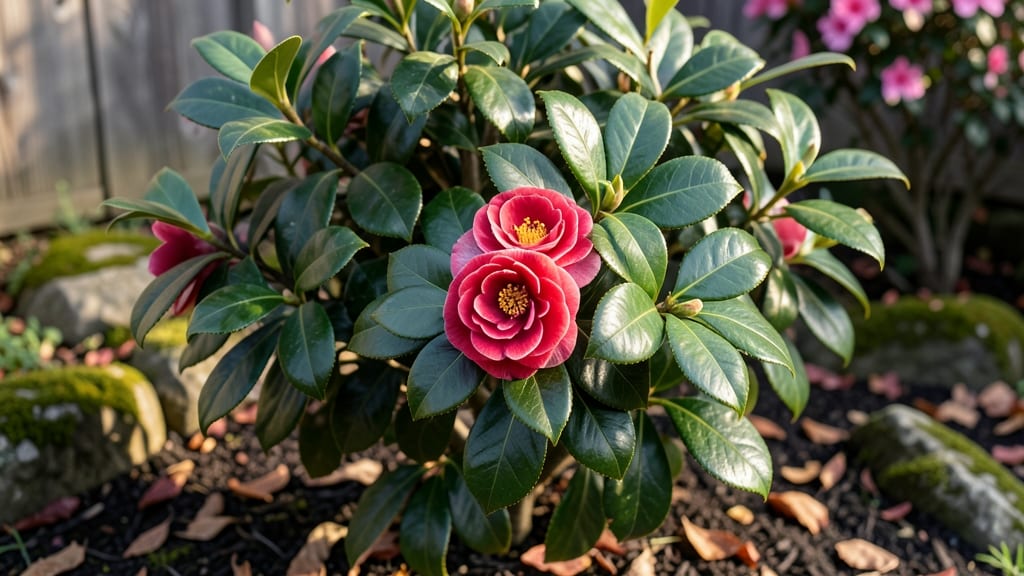
Florida’s winter-blooming flowers bring bold color and life when most gardens fade away 🌸 — and the right choices can turn your yard into a year-round paradise.
Picture this: crisp January mornings with vibrant blooms dotting your landscape, while neighbors in colder climates are still shoveling snow. That’s the magic of Florida’s mild winters, where flowers like firebush and winter jasmine thrive when temperatures dip just enough to wake them up.
But not all winter flowers are created equal. Some handle Florida’s occasional chilly snaps better than others, and knowing which varieties to plant can mean the difference between a few sad stems and a burst of seasonal color.
Whether you’re in North Florida’s cooler zones or South Florida’s balmy stretches, the right blooms will keep your garden lively.
In this guide, I’ll share the top cold-hardy winter flowers that flourish in Florida’s climate, along with planting tips and care tricks to make your garden stand out—even in the off-season.
Top 10 cold-hardy winter flowers thriving in Florida’s climate
Florida’s winter months—typically December through February—bring cooler temperatures that create the perfect conditions for cold-hardy flowers to shine. Unlike many regions where gardens hibernate, Florida’s mild winters allow for vibrant blooms that attract pollinators and add color to landscapes.
These winter-blooming flowers thrive in Florida’s unique microclimates, from the frost-prone Panhandle to the balmy Keys, offering year-round gardening possibilities.
Whether you’re in North Florida (where light frosts may occur) or South Florida (with near-tropical winters), selecting the right winter flowers ensures your garden remains lively. Native species like firebush and blanket flower are excellent choices, but introduced varieties such as pansies and snapdragons also excel.
Below, I’ve curated a list of top 10 cold-hardy winter flowers that flourish in Florida’s diverse zones, complete with color palettes, bloom times, and regional suitability.
| Flower Name |
Color Palette |
Bloom Time |
Best For Zone |
Sunlight Needs |
| Firebush (Hamelia patens) |
Orange-red |
Dec–Apr |
All zones |
Full sun |
| Blanket Flower (Gaillardia pulchella) |
Red/yellow |
Jan–Mar |
North/South |
Full sun |
| Pansies (Viola × wittrockiana) |
Purple/blue/white |
Nov–Feb |
All zones |
Partial sun |
| Snapdragons (Antirrhinum) |
Pink/white/yellow |
Dec–Feb |
North/Central |
Full sun |
| Cape Honeysuckle (Tecomaria capensis) |
Orange/pink |
Jan–Apr |
South/Central |
Full sun |
| Salvia (Salvia coccinea) |
Red/pink |
Dec–Mar |
All zones |
Full sun |
| Lantana (Lantana camara) |
Yellow/orange |
Year-round |
South/Central |
Full sun |
Sweet Alyssum (
How to create a stunning winter garden in Florida: planting tips and care
Florida’s winter season offers the perfect opportunity to transform your garden into a vibrant escape. Unlike northern climates, our mild winters allow many cold-hardy flowers to thrive when other gardens are dormant. The key is selecting the right winter-blooming varieties and providing proper care to ensure continuous color and beauty.
Creating a winter garden starts with understanding your microclimate. North Florida’s cooler temperatures suit hardier varieties like pansies and snapdragons, while Central and South Florida can handle tropical favorites such as hibiscus and plumbago.
With the right planting strategies, you can enjoy blooms from December through March.
-
1
Pansies – Thrives in cool winters, blooms in purple, yellow, and white, full sun to partial shade
-
2
Snapdragons – Vertical blooms in pinks and reds, tolerates light frost, needs well-draining soil
-
3
Calendula – Edible petals, golden sunshine blooms, attracts pollinators, thrives in partial shade
-
4
Hibiscus – Tropical beauty, red and pink blooms, needs full sun and regular watering
-
5
Plumbago – Blue sky blooms, drought-tolerant, perfect for containers and borders
Before planting, prepare your garden beds by amending the soil with compost or aged manure to improve drainage and fertility. Winter flowers prefer well-draining soil to prevent root rot, especially in Florida’s humid climate. Test your soil’s pH—most winter bloomers thrive in slightly acidic to neutral soil (6.0-7.0).
Position your plants based on their sunlight needs. Full-sun lovers like hibiscus and snapdragons need at least 6 hours of direct sunlight, while partial-shade varieties such as pansies and calendula prefer morning sun and afternoon shade.
Group plants with similar light requirements together for a cohesive look and easier maintenance.
Watering is crucial in winter, even though temperatures are cooler. Most winter flowers need 1 inch of water per week, but adjust based on rainfall. Water deeply in the morning to reduce fungal diseases and allow foliage to dry quickly.
Mulch around plants with 2-3 inches of organic mulch to retain moisture and regulate soil temperature.
For a low-maintenance winter garden, incorporate companion planting to deter pests naturally. Pair marigolds with pansies to repel aphids, or plant basil near hibiscus to improve flavor and growth. Deadhead spent blooms regularly to encourage continuous flowering and keep your garden looking its best with minimal effort.
★★★★★4.6(3 reviews)
|