
Watering
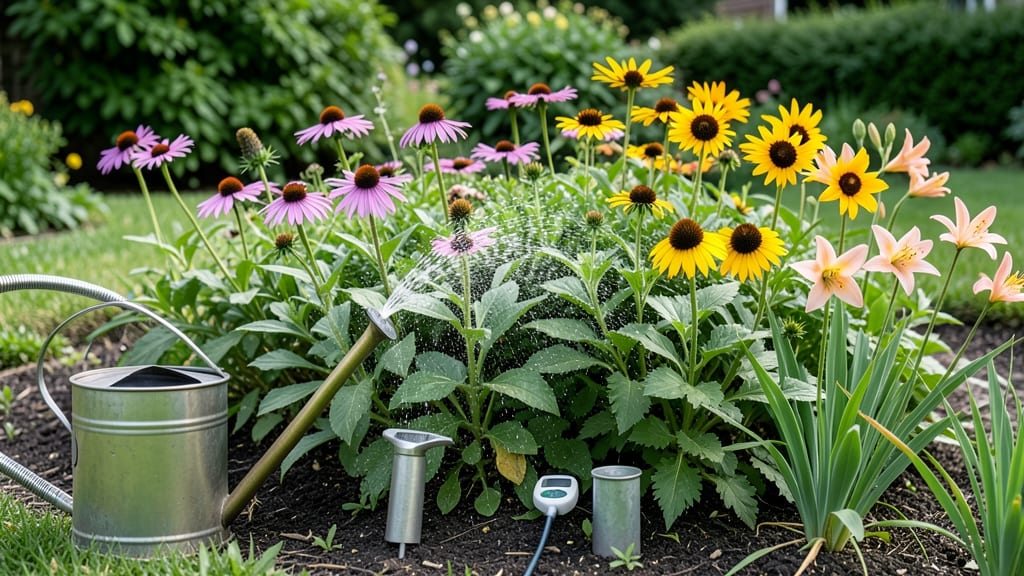
Watering flower beds the right way means checking your soil type first—because what works for sandy soil will drown loamy or clay-based beds, and the difference between thriving blooms and sad wilting 🌸 is just a few extra seconds with the hose.
Overwatering or underwatering your flower beds can kill your plants faster than pests or disease—so knowing the exact watering schedule for your soil type is the secret to vibrant blooms all season long.
Most gardeners guess, but the truth is, clay holds moisture for days while sandy soil dries out in hours. I’ll walk you through a foolproof schedule for each type, plus the sneaky signs your plants are thirsty or drowning—so you can stop the guesswork and start growing.
By the end, you’ll know not just how often to water, but when to do it, what tools make it easier, and how to adjust for heatwaves or rain. Let’s get those flower beds lush again.
Watering flower beds by soil type: the exact schedule for healthy growth
Your flower beds thrive when you match their watering needs to your soil type—because clay soil holds moisture like a sponge, while sandy soil drains faster than a sieve. Getting this right means healthier roots, brighter blooms, and fewer wilting disasters.
Let’s break down the perfect watering schedule for each soil type so you never guess again.
Soil type dictates how often and how deeply you water. Loamy soil (the gardener’s gold) balances moisture perfectly, while rocky soil forces you to water more frequently but less deeply.
Ignoring these differences leads to root rot or stunted growth. Below, I’ve mapped out a seasonal watering calendar tailored to your soil—no more dead zones in your flower beds!
For clay soil, deep watering every 5-7 days in spring prevents waterlogging, while summer heat demands more frequent checks—every 3-5 days. The key is to let the top 1-2 inches dry out between waterings to avoid suffocating roots.
Think of clay soil like a water-holding sponge: squeeze it gently, not forcefully.
If your flower beds are in sandy soil, you’ll be reaching for the hose more often—every 2-3 days in spring and daily in summer.
Sandy soil drains like a colander, so focus on shallow but frequent watering to keep moisture near the surface where roots can access it. A mulch layer (like straw or pine needles) helps retain what little moisture sandy soil clings to.
Loamy soil is the gold standard for flower beds because it strikes the perfect balance. Water every 4-5 days in spring and every 2-4 days in summer, ensuring the soil stays moist but not soggy. Loamy soil’s crumbly texture holds nutrients and water just right, making it easier to maintain consistent moisture without overdoing it. This is the soil type where most flowers thrive with minimal fuss.
Rocky soil is tricky—it drains too quickly but also resists deep penetration. Water every 3-4 days in spring and every 2-3 days in summer, but only 2-3 inches deep.
The rocks act like a sieve, so mulch heavily (3-4 inches) to slow water loss. Consider adding organic matter like compost to improve water retention over time.
Seasonal shifts matter too. In fall, reduce watering to every 6-10 days (depending on soil type) as plants prepare for dormancy. Winter watering is minimal—just enough to keep soil from freezing solid.
Use a soaker hose or drip irrigation for precise, slow delivery, especially in clay or loamy soils where overwatering is a risk.
Don’t forget to check soil moisture before watering! Stick your finger 1-2 inches deep—if it’s dry, it’s time. If it’s damp, wait. This simple test beats guessing every time. For containerized flower beds, water daily in summer (small pots dry out fast), but adjust based
5 Signs your flower beds are overwatered or underwatered (and how to fix it)
Your flower beds might look lush, but overwatering or underwatering can silently kill your plants by suffocating roots or drying out foliage. The key is learning to read your plants' visual and tactile cues—like wilting leaves or moldy soil—before damage becomes permanent.
I’ve seen even experienced gardeners miss these signs, so let’s break it down so you can keep your blooms thriving.
First, check your soil moisture by sticking your finger 1-2 inches deep. If it feels damp but not soggy, you’re likely in the sweet spot. But if it’s bone-dry or waterlogged, your plants are screaming for help.
The best time to water is early morning, when evaporation is lowest and roots can absorb moisture efficiently. Evening watering? That’s a recipe for fungal problems.
🌱 How Often to Water Flower Beds by Soil Type
- Sandy Soil: Water every 1-2 days—it drains too fast! Use deep watering to encourage roots to grow downward.
- Clay Soil: Water every 5-7 days—it holds moisture forever. Test with your finger; if it’s still damp, wait.
- Loamy Soil: Water every 3-4 days—the gold standard! This soil retains moisture without drowning roots.
- Rocky Soil: Water every 2-3 days—water runs through too quickly. Use mulch to slow evaporation.
Now, let’s tackle the 5 red flags of water stress. First, yellowing leaves often signal overwatering, while crispy, brown edges mean underwatering. Overwatered plants may also develop mushy stems or a foul smell—like rotting veggies in your garden!
For underwatered plants, leaves may curl inward to conserve moisture, and the soil will pull away from pot edges or garden bed borders.
If you spot mold or fungus on soil or leaves, you’re definitely overwatering. The fix? Let the top 2 inches of soil dry out completely between waterings, and improve drainage by adding organic matter like compost or perlite.
For underwatered plants, water deeply until it runs out the drainage holes, then mulch to lock in moisture. A 2-3 inch layer of straw or wood chips can cut water needs by up to 30%.
Adjust your watering seasonally too. In summer, you might water daily, but in fall, once a week is plenty. Always water at the base of plants, not overhead—this prevents fungal diseases and keeps foliage dry.
Pro tip: Use a rain gauge to track how much water your garden gets naturally, so you don’t overcompensate with extra hoses.
Remember, consistency is key. Plants prefer steady moisture over sporadic soakings. If you’re unsure, grab a soil moisture meter for $10—it’s a game-changer for nailing the perfect watering schedule. Your flowers will thank you with bold colors and healthy growth all season long! 🌷