
Planting
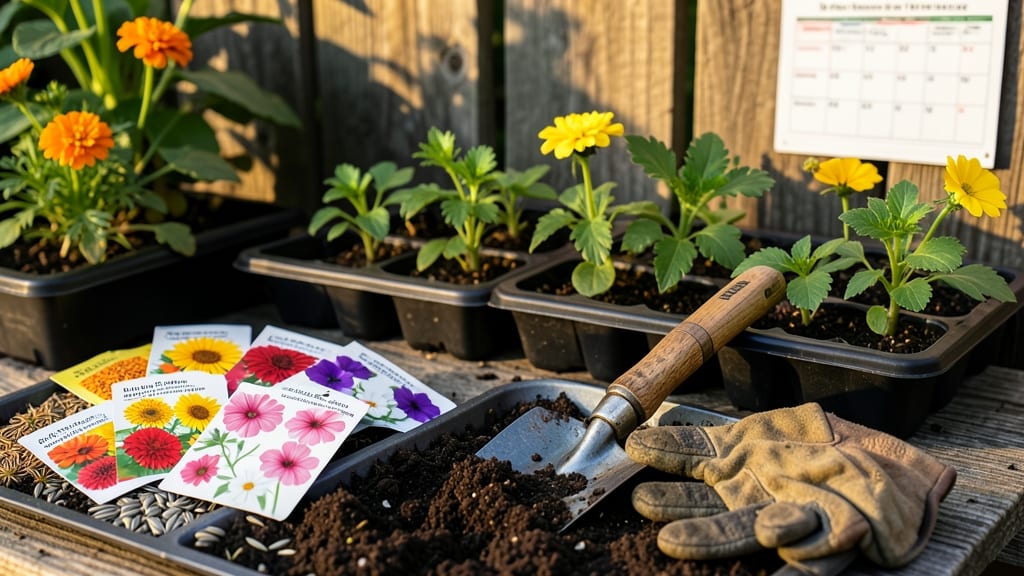
Planting flower seeds at the best time ensures vibrant blooms and thriving plants 🌸 — and missing that window can leave you with weak seedlings or no flowers at all.
Picture this: you’ve spent hours selecting the perfect flower seeds, only to watch them rot in cold soil or bolt in the heat. The right timing isn’t just about following a calendar—it’s about reading your climate, soil, and even the moon phases for some varieties.
In Zone 6a, like many gardeners, your planting window spans March to May and again in August to September, but frost dates and microclimates can shift those dates by weeks. Whether you’re sowing directly outdoors or starting indoors, small adjustments make all the difference.
Below, I’ll break down the exact planting calendar for your region, plus pro tips to extend your bloom season—so you can enjoy continuous color from spring to fall without guessing.
Climate-specific flower seed planting timeline for year-round success
Getting your flower seeds in the ground at the right time is the secret to a garden bursting with color all season long. But with three distinct climate zones across the U.S., timing varies dramatically—from frost-hardy cosmos in zone 3 to heat-loving zinnias in zone 11.
The key is understanding your last frost date, soil temperatures, and whether your flowers are frost-tolerant or frost-sensitive. Let’s break down the perfect planting windows for each climate so you can enjoy blooms from spring through fall.
For cold climates (zones 3-6), early spring and late summer are your best bets. In temperate zones (7-9), you can extend planting into early fall, while warm climates (10-12) offer year-round opportunities with minimal frost risk.
The table below shows the ideal months for direct sowing, plus tips for starting seeds indoors when needed. Remember: Cool-season flowers like pansies and snapdragons thrive when planted 4-6 weeks before your last frost, while warm-season favorites like marigolds and sunflowers need soil temps above 60°F.
| Climate Zone | Best Planting Months | Frost-Tolerant Varieties | Frost-Sensitive Varieties | Soil Temp Requirement |
|---|---|---|---|---|
| Cold (Zones 3-6) | March-April, August-September | Pansies, Snapdragons, Sweet Alyssum | Marigolds, Petunias, Zinnias | 45-60°F for cool-season; 60-70°F for warm-season |
| Temperate (Zones 7-9) | February-March, July-August | Calendula, Stock, Larkspur | Cosmos, Sunflowers, Dahlias | 50-65°F for cool-season; 65-80°F for warm-season |
| Warm (Zones 10-12) | September-October, January-February | Sweet Peas, Morning Glories | Geraniums, Impatiens, Vinca | 65-85°F year-round |
In cold climates (zones 3-6), start frost-tolerant seeds like snapdragons indoors in February for transplanting after your last frost, typically around mid-April. For warm-season flowers, wait until mid-May when soil temperatures reach 60°F—this prevents seeds from rotting.
A trick I use is to bury a thermometer in the soil to track temps accurately. In late summer, you can squeeze in another round of cosmos or zinnias for fall color, planting 6-8 weeks before your first frost.
For temperate zones (7-9), the window is wider. You can direct-sow cool-season flowers like calendula as early as February, while warm-season stars like sunflowers thrive when planted in late March to April. The key here is to stagger plantings every 2-3 weeks—this ensures continuous blooms.
For example, plant marigolds every 14 days from April through June for non-stop color. Don’t forget to mulch after planting to retain moisture and regulate soil temperature.
If you live in a warm climate (zones 10-12), you’re in luck—many flowers can be planted year-round! Start with cool-season flowers like sweet peas in September-October for winter blooms, then transition to warm-season favorites like geraniums in January-February.
The only caution is avoiding summer heat—plant shade-tolerant varieties like impatiens in June-July to prevent stress. A drip irrigation system is a game-changer here to keep roots cool and hydrated.
One common mistake is planting warm-season flowers too early in cold climates. Seeds like petunias won’t germinate in cold soil, and even if they do, they’ll rot during nighttime frosts.
To avoid this, always check your local frost dates (use the USDA Plant Hardiness Zone Map) and adjust accordingly. For frost-sensitive varieties, consider starting seeds indoors 6-8 weeks before your last frost or using a seedling heat mat to speed up germination.
Pro tip: Use biodegradable seed starter pots for indoor sowing—they eliminate the need to disturb roots when transplanting. Once seedlings are 2-3 inches tall with 2-3 sets of leaves, they’re ready to harden off and move outdoors.
In warm climates, you can even plant directly into the ground year-round, but always water deeply after planting to help seeds establish. A light layer of compost mixed into the soil provides essential nutrients for young roots.
For succession planting, plan to sow quick-blooming annuals like zinnias every 2-3 weeks from spring through summer. This ensures your garden never
How to adjust planting times based on your local microclimate
Your garden's microclimate can shift planting times by weeks or even months compared to official frost dates. Urban heat islands, coastal breezes, and high-altitude chill all create unique growing conditions that demand smart adjustments to your planting calendar.
Understanding these local factors helps you avoid late frosts or heat stress while maximizing bloom potential.
For example, a city garden surrounded by pavement can be 10°F warmer than nearby rural areas, while a coastal garden might experience milder winters due to ocean moderation. Even a south-facing wall creates a protected microclimate where tender plants thrive weeks earlier than in open ground.
The key is observing your specific conditions and using frost date calculators tailored to your location.
Start by identifying your specific microclimate using simple tools like a minimum/maximum thermometer placed at plant height. Compare your readings to official frost dates—you might find your last spring frost occurs 2 weeks later than the county average.
For example, my urban backyard in Zone 7a experiences last frosts around April 22, while the official date is April 15.
For coastal gardeners, leverage the ocean's buffering effect to plant warm-season flowers like sunflowers or dahlias as early as March 1 in mild zones. In contrast, high-altitude gardeners in Zone 5 should wait until May 15 for soil warmth to trigger germination.
Always check seed packet instructions—many specify soil temperature requirements (e.g., 60°F+ for tomato flowers).
Protect your early plantings with row covers or cloches to create artificial microclimates. I use floating row covers to extend my spring planting by 3 weeks, allowing snapdragons to bloom by Mother's Day.
For coastal gardens, choose salt-tolerant varieties like sea thrift or beach holly to thrive in windy, salty conditions.
Remember: Microclimates change yearly. Keep a gardening journal to track when your first/last frosts occur and adjust future planting dates accordingly. With these localized adjustments, you'll transform your garden into a blooming paradise—no matter where you live! 🌸