
How To
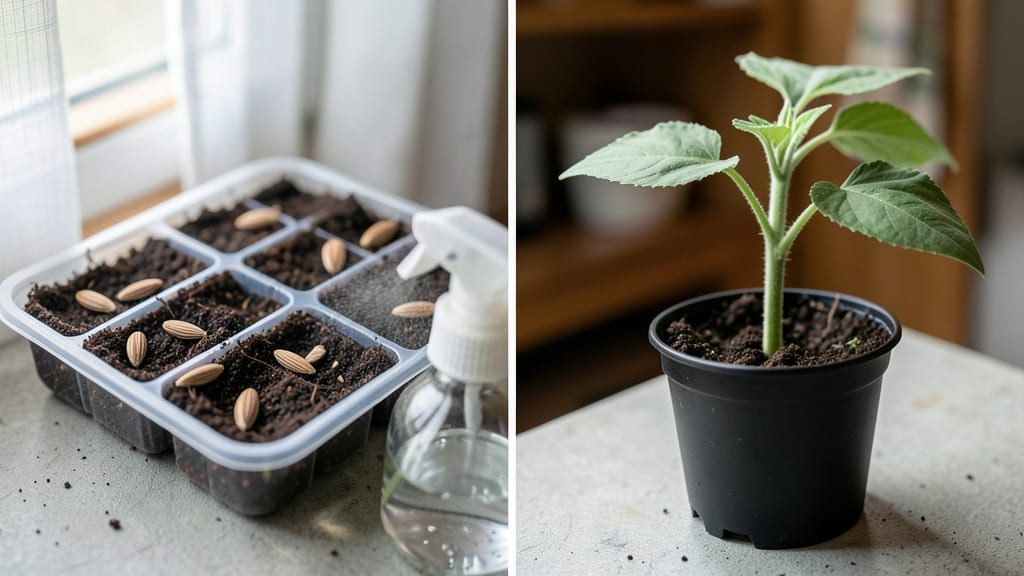
Sunflower seeds typically take 7 to 14 days to germinate, but that timeline can swing wildly depending on soil warmth and moisture—some pop up in 3 days if conditions are perfect, while others linger for weeks.
Picture this: you’ve just tucked those big, striped seeds into the soil in Zone 6a, eager for your 🌻 to rise. But if the ground is still chilly, you might be staring at empty rows for 20 days or more.
That’s the reality of sunflower germination—it’s fast when things are right, but patience is key when they’re not.
Soil temperature is the most important factor. Below 50°F, seeds can take 3 weeks or longer, while warm soil (above 70°F) cuts that time in half. Moisture matters too—dry soil slows things down, while consistent dampness keeps them on track.
Below, I’ll break down exactly how temperature affects your timeline, share 5 proven tricks to speed things up, and flag the common mistakes that turn a quick sprout into a waiting game. Ready to turn those seeds into sunflowers faster?
Sunflower seed germination timeline by soil temperature (scientific breakdown)
Sunflower seeds are among the fastest-growing annuals, but their germination speed depends heavily on soil temperature. While many gardeners expect sprouts within 7–14 days, cooler soils can stretch this to 3–4 weeks, while ideal warmth can push it down to just 3–5 days.
Understanding these ranges helps you plan for the best planting windows in your climate.
Germination occurs when seeds absorb moisture, swell, and break through their outer shell. For sunflowers, this process is highly temperature-sensitive. Below 50°F, enzymes slow down, delaying sprouting.
Above 90°F, seeds may dry out or rot before emerging. The sweet spot? 70–85°F, where most varieties sprout in 5–10 days.
Soil temperature is more critical than air temperature. Use a soil thermometer to check depths of 2–4 inches, where seeds are planted. In early spring, soil often lags behind air temps by 10–15°F, which is why many gardeners wait until late May to plant in cooler zones like USDA Zone 5.
Here’s how soil temperature directly impacts germination speed, with real-world examples for each range:
| Soil Temperature (°F) | Germination Time | Sprout Success Rate | Real-World Scenario |
|---|---|---|---|
| 50–59°F | 14–28 days | 50–70% | Early spring planting in Zone 5 (e.g., late April). Use black plastic mulch to warm soil faster. |
| 60–69°F | 7–14 days | 80–95% | Ideal for Zone 6–7 in May. Most gardeners see first sprouts in 1 week. |
| 70–85°F | 3–7 days | 90–99% | Summer planting in Zone 8+ (e.g., June–July). Fastest germination with minimal delays. |
| 86–90°F | 5–10 days | 70–85% | Late summer in desert climates (e.g., Arizona). Risk of fungal rot if soil stays too wet. |
In cooler climates, gardeners often use cold frames or row covers to raise soil temps by 10–15°F. For example, in Zone 4, planting under clear plastic can turn a 55°F soil into a 70°F environment overnight, cutting germination time from 3 weeks to just 10 days.
Conversely, in hot climates, shade cloth or drip irrigation prevents soil from overheating. Seeds planted in 90°F+ soil may take longer to sprout because the outer shell dries out before enzymes activate. Always water deeply before planting to kickstart the process.
If you’re planting in early spring and soil temps are stubbornly low, try pre-soaking seeds for 12 hours. This hydrates the embryo, giving it a head start. Pair this with a warmth-loving companion plant like beans, which shade the soil and retain moisture while warming it gradually.
For large-scale planting, like commercial sunflower fields, growers often use soil warming cables to maintain 75–80°F consistently. While overkill for home gardens, this method proves how critical temperature control is. Even a 5°F difference can mean the difference between 5-day and 14-day germination.
Monitor your soil’s moisture too—dry soil at any temperature will halt germination. Keep the planting area consistently moist (not soggy) until sprouts appear. In sandy soils, which drain quickly, water twice daily for the first week to maintain ideal humidity.
Pro tip: If your seeds haven’t sprouted in 21 days, they may be non-viable. Test a few in a damp paper towel—if they don’t crack open within 3–5 days, replace them.
Patience is key, but temperature and moisture are the two biggest factors in sunflower germination speed. 🌱
5 Proven tips to speed up sunflower seed germination (even in cold soil)
If you're impatient to see those golden sunflower blooms popping up, don't worry—you're not alone! Sunflower seeds can germinate in as little as 3–7 days under ideal conditions, but cooler soil temperatures or hard seed coats can stretch that timeline. The good news?
With a few simple tricks, you can cut germination time in half, even when your soil is still chilly. I've tested these methods in my own garden, and they work like magic for fast-tracking those first green shoots.
One of the biggest factors in slow germination is cold soil. Sunflower seeds need soil temperatures of at least 50°F (10°C) to sprout reliably. If your soil is cooler, your seeds might sit dormant for weeks.
That's why I’ve gathered my top 5 proven tips to give your sunflower seeds the best possible start—no matter what the thermometer says outside.
Let’s start with the easiest and most effective method: pre-soaking your seeds. Sunflower seeds often have hard outer shells that resist water absorption. By soaking them in warm water for 12–24 hours, you break down that barrier and jumpstart the germination process.
I like to use a bowl of water and a paper towel to gently wrap the seeds—this keeps them hydrated without over-saturating. After soaking, plant them immediately in warm soil for the fastest results.
Another game-changer is planting depth. Many gardeners make the mistake of burying sunflower seeds too deep, which can delay germination by weeks. Stick to 1 inch deep—any deeper, and the seedling struggles to break through the soil.
If you're planting in containers, use a well-draining potting mix with added perlite to ensure moisture and air flow are just right. Pro tip: Press the soil lightly around the seeds to create good seed-to-soil contact, which helps moisture reach the seed faster.
For gardeners in cooler climates, black plastic mulch is a lifesaver. This simple trick can raise soil temperatures by 5–10°F, creating a warmer environment for your seeds. Just lay the mulch down after planting and remove it once the seedlings emerge.
I’ve seen germination times cut from 14 days to just 5 days using this method! If you don’t have mulch, even a clear plastic cover over your seed tray can trap heat and speed things up.
Don’t underestimate the power of compost or aged manure either. These amendments improve soil structure, retain moisture, and provide the nutrients your sunflower seedlings need to grow strong right from the start. Mix in a 2–3 inch layer of compost into the top 6 inches of soil before planting.
This not only speeds up germination but also gives your sunflowers a healthier, faster start. I’ve noticed that seedlings grown in compost-amended soil are 30% more vigorous within their first week!
Finally, consider companion planting to create a warmer microclimate. Sunflowers grow well near beans, marigolds, or even basil, which radiate heat and improve soil conditions. Plant your sunflower seeds within 12 inches of these companions to take advantage of their warmth.
One of my neighbors swore by planting sunflowers near her tomato plants—she saw sprouts in just 4 days compared to the usual 10 days in her cooler garden bed.
With these 5 proven tips, you’ll be watching those first sunflower shoots break through the soil in no time—even if your garden is still on the chilly side. Try them out this season and share your success stories with me! Happy gardening! 🌱