
Plants
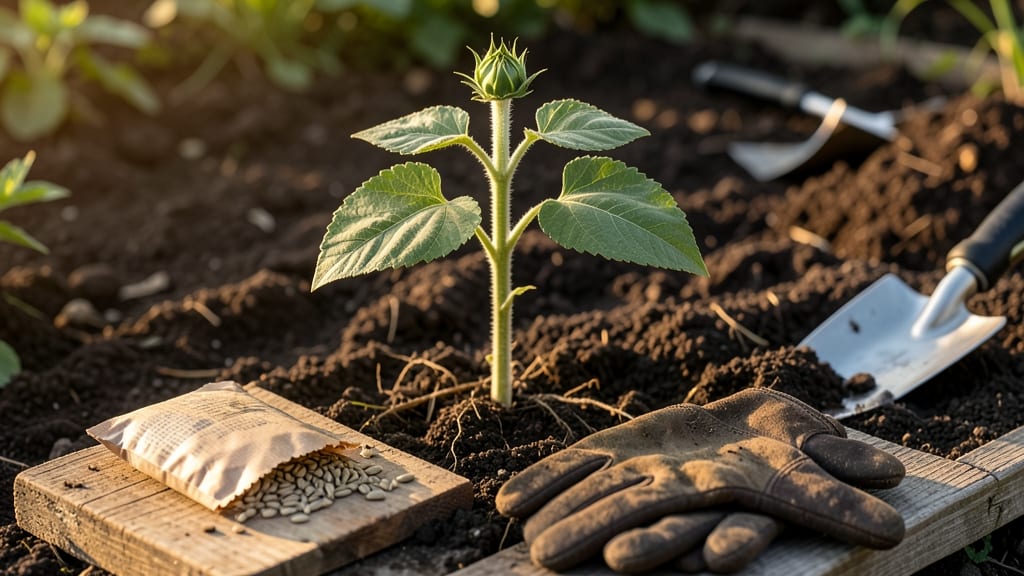
Plant sunflower seeds in Oregon when soil temperatures hit 55°F or warmer, usually between mid-April and early June, depending on your microclimate.
Picture this: you’ve sown your 🌻 seeds in late March, only to watch them rot in cold soil. That’s a common mistake in Oregon’s diverse zones, where coastal areas like Portland can linger in frost while inland spots like Bend are already baking by May.
Timing matters more than you think.
Sunflowers thrive in Oregon’s USDA Zones 7b-9a, but the fastest germination happens when you align planting with soil warmth—not just calendar dates. Coastal gardens may wait until May, while high-desert areas can start as early as April. A soil thermometer is your secret weapon here.
Below, I’ll break down the exact planting windows for your region, plus 5 pro tips to ensure your sunflowers grow tall, strong, and ready for summer harvests—no leggy failures in sight.
Oregon sunflower planting calendar by USDA Zone (7b-9a) for fast germination
Oregon’s diverse microclimates—from coastal fog to high-desert heat—create unique challenges for sunflower germination. In USDA Zones 7b-9a, timing matters more than you might think. Plant too early, and frost will nip tender seedlings. Too late, and summer’s intense sun can stress young plants before they establish roots.
Let’s break down the perfect planting windows for your region, whether you’re in Portland’s mild climate or Bend’s dry high desert.
Sunflowers thrive when soil temperatures hit 55°F+, a threshold that varies dramatically across Oregon. Coastal areas like Eugene may see this by late April, while inland zones like Bend often wait until mid-May.
The key is balancing warmth with moisture—sunflowers need consistent soil dampness during germination but hate soggy roots. Let’s dive into the month-by-month calendar tailored to your zone and microclimate.
For Portland gardeners (Zone 8a-8b), the April 20-May 15 window is ideal. This period offers warm soil without the risk of late frost, which can devastate young seedlings. I’ve found that using black plastic mulch raises soil temperatures by 5-10°F, accelerating germination.
If you’re in a cooler microclimate within Portland, wait until May 1 to plant—patience here prevents leggy, weak stems.
In Eugene’s Zone 8b, the calendar shifts slightly earlier due to milder winters. Plant between April 25-May 10 for optimal results. The Autumn Beauty variety thrives here, offering rust and gold bicolor blooms that attract bees and butterflies.
Remember, Eugene’s summer drought means deep watering at planting is non-negotiable—sunflowers need 1-2 inches of water per week once established.
Gardeners in Bend (Zone 7b) face a different challenge: high desert heat and dry soil. Wait until May 20-June 1 when soil temperatures reliably hit 60°F+. The Moulin Rouge variety performs well here, with its red and yellow striped petals.
To combat Bend’s arid conditions, I recommend soaking seeds overnight before planting—they’ll sprout faster in dry soil.
Coastal Oregon presents its own unique timing puzzle. Areas like Astoria or Cannon Beach (Zone 7b-8a) often experience late frosts even in May. Start seeds indoors 4-6 weeks before your last frost date (typically May 1-May 15 for transplanting).
Coastal sunflowers grow slower due to cooler soil, so choose compact varieties like 'Teddy Bear' for containers or small gardens.
Regardless of your Oregon location, avoid planting after June 15. Sunflowers need 60-
5 Key factors that determine the best planting time for Oregon sunflowers
Timing your sunflower seeds in Oregon isn't just about picking a month—it's about understanding soil temperatures, frost risks, and even daylight hours. Coastal Portland and high-desert Bend have different needs, so let's break down what truly matters for fast germination and strong stems.
These five factors will help you avoid leggy, weak plants and get those vibrant blooms instead.
First, soil temperature is your #1 priority. Sunflower seeds need consistent soil temps above 55°F to germinate properly. In Oregon, this typically means waiting until mid-May for most areas, but high-desert regions like Bend can plant a week earlier.
Use a soil thermometer to check—don't guess! Cold soil slows germination and invites rot.
Here’s what you need to know before planting:
Soil Temperature Threshold: Sunflower seeds need 55°F+ soil to germinate. Test with a thermometer—cooler temps delay sprouting and invite fungal issues.
Last Frost Date: Coastal Oregon (Zone 8-9) can plant by mid-April, while high-desert areas (Zone 7) should wait until late May. Use USDA frost maps for your exact location.
Daylight Hours: Sunflowers thrive with 12+ hours of daylight. Plant after June solstice for coastal areas to maximize bloom time before fall rains arrive.
Microclimate Adjustments: Coastal regions get milder winters—plant 2-3 weeks earlier than inland areas. High-desert zones need warmer soil—wait until after June 1 for best results.
Pre-Planting Prep Checklist:
- ☑️ Test soil pH (aim for 6.0-7.0)
- ☑️ Loosen soil to 12 inches deep
- ☑️ Add compost for nutrients
- ☑️ Water seeds deeply before planting
Don’t overlook daylight hours—sunflowers need full sun (6+ hours daily) to develop strong stems and vibrant blooms. If you're in coastal Oregon, plant by early May to give them plenty of summer sun.
Inland areas can wait until late May, but avoid planting after July 15—late seedlings may not mature before fall frosts.
For high-desert regions, like Bend or La Pine, focus on soil warmth over calendar dates. These areas often have colder nights even in summer, so plant after June 1 when soil stays consistently above 60°F. Use black plastic mulch to warm soil faster if needed.
Pro tip: If you're unsure about your exact last frost date, err on the side of caution. Sunflowers are hardy once established, but young seedlings can't handle even light frost. A row cover can buy you an extra 2-3 weeks of planting time in cooler microclimates.
Remember, Oregon’s diverse climate means no single planting date works everywhere. Use these factors to tailor your approach—whether you're in Portland’s rain shadow or Eugene’s coastal fog belt. With the right timing, you’ll enjoy towering sunflowers that attract bees and brighten your garden all summer long. 🌻