
Plants
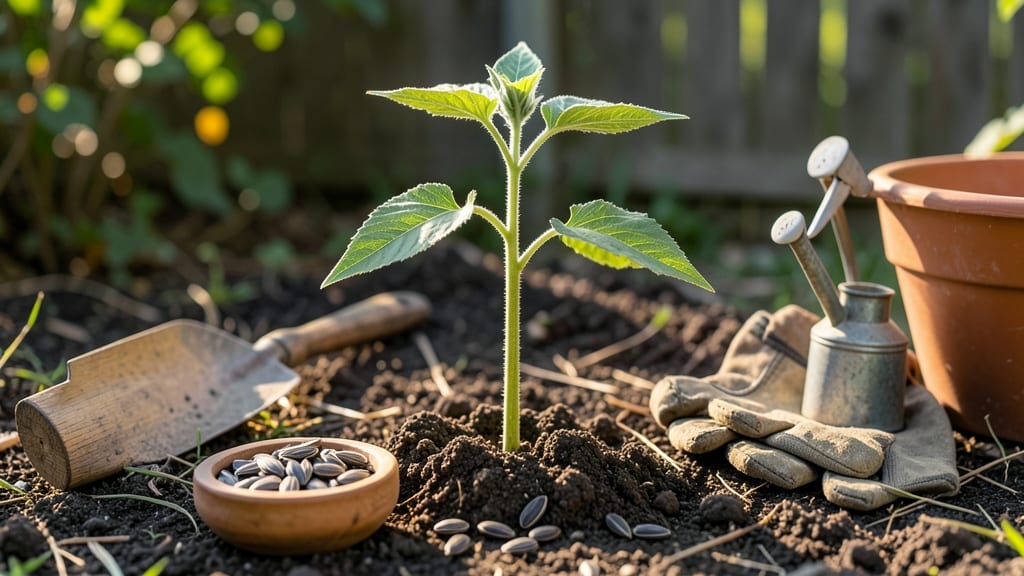
Planting sunflower seeds in South Africa at the right time means the difference between a towering 🌻 that feeds birds and seeds for months and a sad, stunted plant that never blooms.
Sunflowers aren’t just beautiful—they’re hardy, fast-growing, and perfect for South Africa’s diverse climates. But planting them at the wrong time can mean wilted dreams instead of towering blooms.
Coastal areas like Cape Town can start as early as February, while inland regions like Johannesburg should wait until March or April to avoid frost damage. The key is soil temperature—wait until it’s above 10°C (50°F)—and knowing your local frost risks.
Below, I break down the ideal planting months by region, soil prep secrets, and how to adjust for unexpected weather—so you get the biggest, healthiest sunflowers your garden can handle.
Best planting months for sunflowers in South Africa by climate zone
South Africa’s diverse climate zones create perfect conditions for sunflowers, but timing is everything. From the coastal subtropics of Durban to the highveld winters of Johannesburg, each region demands a tailored approach. Plant too early, and frost can strike; too late, and summer heat may stress young seedlings.
Let’s break down the ideal planting windows by climate zone, including soil temperature requirements and frost risk factors.
Sunflowers thrive when soil temperatures reach at least 10°C (50°F), a threshold critical for germination. In summer rainfall zones like the Western Cape, this typically aligns with September-October, while winter rainfall regions (e.g., Cape Town) favor March-April planting.
Subtropical areas like KwaZulu-Natal can even support year-round planting, though spring remains optimal for most varieties.
Here’s a quick reference for your region’s planting window, including frost risk and soil prep tips:
In summer rainfall zones like the Free State or Mpumalanga, aim for September-October planting to avoid late winter frosts. These areas experience their last frost around July 15, so waiting until soil warms above 10°C (50°F) ensures strong germination.
For high-altitude gardens (e.g., Drakensberg), extend the planting window to mid-October to account for cooler microclimates.
For winter rainfall regions such as the Western Cape, March-April is ideal. These zones receive most rainfall in winter, so planting in spring avoids waterlogged soil. If you’re in Cape Town or Stellenbosch, choose drought-tolerant varieties like ‘Teddy Bear’ to handle summer dry spells.
Always test soil moisture—sunflowers hate soggy roots but need consistent hydration during flowering.
Subtropical areas like KwaZulu-Natal and Eastern Cape offer the most flexibility, with year-round planting possible. However, September-November remains peak time for tall varieties like ‘Russian Giant,’ which thrive in warm, humid conditions.
In these regions, watch for powdery mildew—a common fungal issue—by spacing plants 12–18 inches apart and watering at the base.
Pro tip: Use a soil thermometer to confirm readiness. Sunflower seeds won’t germinate below 10°C (50°F), and cooler soils can lead to damping-off disease. If your region experiences unpredictable frosts (e.g., highveld), start seeds indoors in August and transplant after the last frost date.
For coastal gardens, February-March planting aligns with natural rainfall patterns and avoids summer heat stress.
Remember, sunflowers are annuals in South Africa, meaning they complete their life cycle in one season. Most varieties mature in 60–90 days, so plan your planting window to harvest before first frosts (e.g., May 15 in Johannesburg).
For commercial growers, staggered planting every 2–3 weeks ensures a continuous harvest window.
Finally, soil preparation is key. Sunflowers prefer well-draining, slightly acidic to neutral soil (pH 6.0–7.0). Amend heavy clay soils with compost or sand, and avoid fresh manure, which can burn young roots. A light application of phosphorus-rich
How to adjust sunflower planting time for your local weather patterns
South Africa’s weather can be unpredictable—one day scorching sun, the next a sudden cold snap. For sunflowers, timing is everything. If you plant too early, frost can kill seedlings; too late, and your blooms might miss peak sunlight.
I’ve learned to adjust planting dates based on local forecasts, soil temperatures, and even altitude changes to ensure my sunflowers thrive. Here’s how to fine-tune your schedule for success.
Start by monitoring rainfall forecasts in your area. In regions like the Western Cape, winter rains can lead to waterlogged soil, delaying planting until March or April. Meanwhile, in the Highveld, where frost is a risk, I wait until after the last expected frost date—usually mid-September—to sow seeds.
A simple trick? Check your local agricultural weather service or use apps like WeatherSA to track patterns.
⚠️ callout-warning ⚠️
High-altitude areas (e.g., Drakensberg): Use seedling trays indoors until soil warms to 10°C+. Transplant only after 3 consecutive frost-free days.
Coastal regions (e.g., Durban): Plant in February-March to avoid cyclone season (Nov-Jan) flooding.
Inland summer rainfall zones (e.g., Limpopo): Delay planting if heatwaves exceed 35°C—seedlings need shade cloth until established.
A soil thermometer is my secret weapon for high-altitude gardens. Sunflower seeds need soil temperatures of at least 10°C (50°F) to germinate properly. In cooler regions like Lesotho or the Free State, I use black plastic mulch to warm the soil faster.
Pro tip: Bury the thermometer 5cm (2 inches) deep—that’s where the magic happens for seedling growth.
For unexpected cold snaps, I’ve switched to staggered planting. Instead of sowing all seeds at once, I plant a few every 2 weeks from September to November. This way, if a late frost hits, only a portion of my crop is at risk.
It’s extra work, but it’s saved my sunflowers more times than I can count. Pair this with row covers for added protection.
Don’t overlook heatwave adjustments. In places like the Northern Cape, summer temperatures can soar to 40°C+. To combat this, I plant dwarf varieties like ‘Teddy Bear’ and water deeply at the base of the plant in the early morning.
Avoid overhead watering—it can scorch leaves and attract pests. Mulching with straw or wood chips also helps retain moisture and keep roots cool.
Finally, keep an eye on humidity levels. High humidity in summer can promote fungal diseases like powdery mildew. I space my sunflowers 30-60cm apart (depending on variety) and ensure good airflow between plants.
If you notice yellowing leaves or white powder on stems, act fast with a neem oil spray. Prevention is key—don’t wait until your plants are struggling to adjust!