
Plants
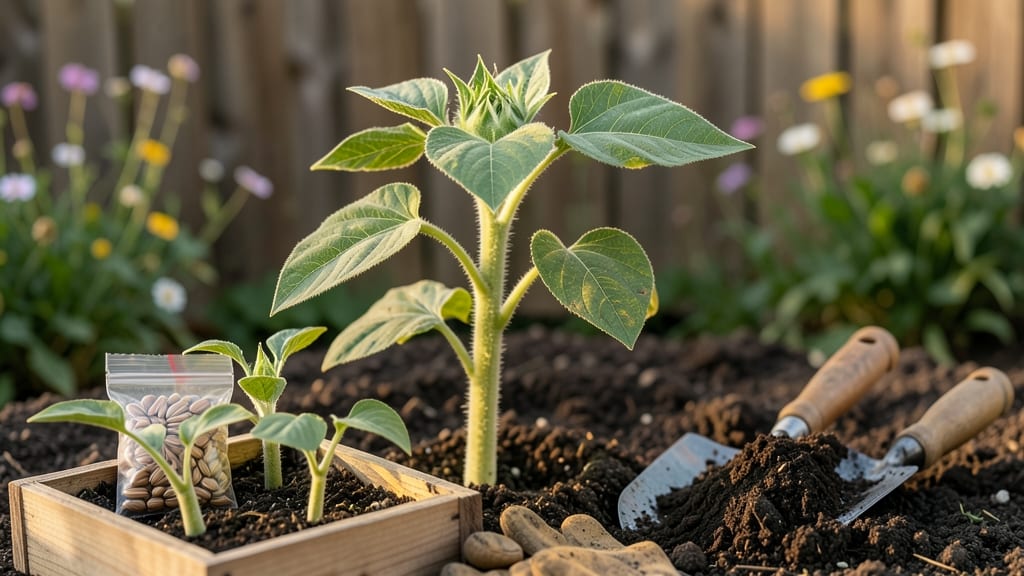
Plant sunflower seeds in Pennsylvania after the last frost, typically between mid-April and late June, when soil temperatures reach 55°F or warmer.
Miss that window, and you risk stunted growth or frost damage—especially in USDA Zones 6 and 7, where spring can be unpredictable. But get it right, and you’ll be rewarded with towering blooms that attract pollinators and add drama to your garden.
The key is knowing your last frost date (usually mid-April in most of the state) and choosing the right variety—whether you want giant sunflowers for cut flowers or dwarf types for containers.
Below, I’ll break down the exact planting dates by zone, soil prep tips, and how to extend your sunflower season even if Mother Nature throws a curveball.
Pennsylvania’s frost-free window: exact planting dates by USDA Zone 6/7
Pennsylvania’s USDA Zones 6 and 7 offer a 165-day frost-free window, but sunflowers need precise timing to thrive. In Zone 6 (northern PA), the last frost typically arrives around May 10-15, while Zone 7 (southern PA) sees frost-free conditions by April 15-25.
These dates mark your planting window—waiting too long risks stunted growth, but planting too early exposes seedlings to frost damage.
Sunflower seeds germinate best in soil temperatures between 70-90°F. In PA, soil reaches this warmth by late May in Zone 6 and mid-April in Zone 7. Use a soil thermometer to confirm—seeds won’t sprout reliably in cooler conditions.
For early starts, consider transplanting seedlings after the last frost, but direct sowing is easier for most gardeners.
Direct sowing is ideal for sunflowers because they hate root disturbance. Plant seeds 1 inch deep and 6 inches apart in rows 2 feet apart for full-grown plants. In Zone 6, aim for May 15-June 1, while Zone 7 gardeners can start as early as April 20-May 10. Late plantings (after June 15) may not mature before frost.
For succession planting, sow additional seeds every 2-3 weeks to extend your harvest. This works best in Zone 7, where the growing season is longer. In Zone 6, limit to two plantings—one in early May and another in early June—to avoid late-season risks.
Adjust your planting timeline if you experience an early or late spring. Check local weather forecasts and use row covers to protect seedlings if frost threatens after planting.
In Zone 6, be extra cautious—late frosts can occur as late as May 30, so have a plan to shield young plants.
Sunflowers are fast growers, reaching 6-10 feet in 70-120 days. In Zone 7, early plantings (April) may bloom by July, while late plantings (June) will flower in September. In Zone 6, expect blooms from August to October, depending on variety and planting date.
For transplanting seedlings, start seeds indoors 4-6 weeks before the last frost (early April for Zone 7, late April for Zone 6). Harden off seedlings for 7-10 days before transplanting, but avoid disturbing roots—sunflowers perform best when direct-sown. If transplanting, choose cloudy days to reduce stress.
Monitor your garden for soil moisture after planting. Sunflowers need 1-2 inches of water weekly, but they’re drought-tolerant once established. In Zone 6, water deeply every 5-7 days during dry spells, while Zone 7 may require more frequent watering in summer.
Mulch around plants to retain moisture and suppress weeds.
If you miss the ideal window, don’t despair—sunflowers can still grow if planted by July 1 in Zone 7. In Zone 6, limit late plantings to dwarf varieties (like 'Teddy Bear'), which mature faster. These smaller types may produce blooms by September before frost arrives.
Pro tip: Mark your last frost date on your calendar each year—PA’s climate shifts slightly annually. By tracking your garden’s unique frost patterns, you’ll refine your planting schedule for bigger, healthier sunflowers every season. 🌻
Best sunflower varieties for Pennsylvania gardens and their planting times
Pennsylvania’s USDA Zones 6 and 7 offer the perfect climate for sunflowers, but not all varieties thrive equally. Giant sunflowers like 'Mammoth' reach 12 feet, while dwarf varieties like 'Teddy Bear' stay under 4 feet—ideal for small gardens. Oilseed types like 'Sunflower Oil' are heat-tolerant, perfect for PA’s summer heat.
Choosing the right variety ensures blooms from July to October and seeds for next year’s planting.
Timing matters! Direct sow seeds after the last frost (typically mid-April to late May in PA), but late June plantings still yield flowers before frost. Giant varieties need a longer growing season (90-120 days), while dwarf types mature in 50-60 days.
Below, compare the best sunflower types for PA gardens, including their ideal planting windows and care tips.
For small gardens, dwarf varieties like 'Teddy Bear' are perfect—they bloom quickly and fit in tight spaces. Giant sunflowers like 'Mammoth' need space (plant 2-3 feet apart) and thrive in USDA Zone 6 with a longer growing season. Oilseed types are ideal if you want seeds for cooking or bird feeders, as they handle PA’s summer heat better than other types.
Pro tip: Succession plant dwarf varieties every 2 weeks from May to July for continuous blooms until frost. Giant varieties planted in early June will still reach maturity before the first frost in mid-October.
Always plant seeds 1 inch deep in well-drained soil with full sun exposure for best results.
If you’re new to sunflowers, start with 'Autumn Beauty'—it’s a semi-dwarf with vibrant colors and 60-day maturity, making it forgiving for beginners. For cut flowers, 'ProCut' is disease-resistant and holds stems well in vases. Heat-tolerant varieties like 'NuSun' are your best bet for southern PA’s hotter summers.
Remember, soil temperature matters! Sunflower seeds need soil at 55°F or warmer to germinate. Use a soil thermometer to check before planting. In cooler Zone 6 areas, wait until late April or early May to avoid frost damage. Mulch around plants to retain moisture and protect roots