
Flowers
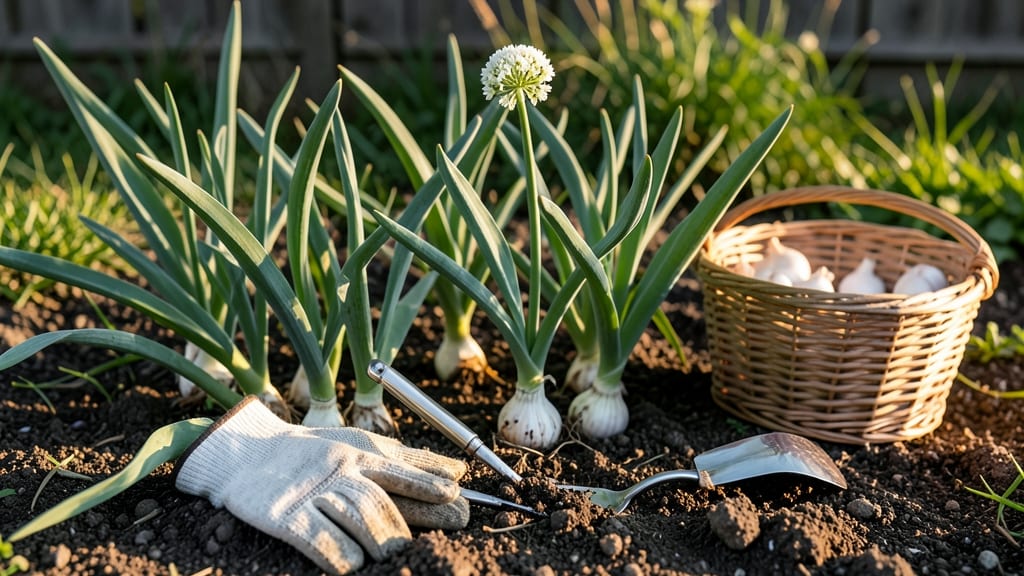
Harvesting garlic before or after it flowers determines whether you end up with small, pungent cloves or plump, flavorful bulbs ready for storage.
If you’ve ever pulled garlic too soon and ended up with shriveled, underdeveloped bulbs—or waited too long and lost them to rot—you know timing is everything. The key lies in watching for specific visual cues like leaf browning and bulb firmness, not just the flower stalk’s appearance.
Most gardeners harvest garlic after flowering, once the lower leaves turn brown and papery, but hardneck varieties (like Rocambole) often benefit from removing the flower stalk early to redirect energy. Softneck garlic, on the other hand, can wait longer, as its bulbs mature more slowly.
Below, I’ll break down the exact signs to watch for—plus what happens if you harvest too early or late—and how to adjust based on your climate and garlic type for the best results.
When to harvest garlic for largest bulbs: flowering vs. pre-flowering methods
Harvesting garlic at the wrong time can mean the difference between plump, flavorful bulbs and shriveled, pungent disappointments.
The key question—do you harvest garlic before or after it flowers—depends on your garlic type and climate. Hardneck varieties (like Rocambole or German Red) send up a flower stalk (scape) in spring, while softneck varieties (like Silverskin) rarely flower. Understanding this distinction is critical for maximizing bulb size.
For hardneck garlic, the flowering process actually diverts energy away from bulb development. Removing the scape (a practice called "scape removal") redirects that energy back to the bulb, resulting in larger cloves. But timing matters—harvest too soon, and your bulbs won’t mature fully.
Harvest too late, and they’ll split or rot in the ground. The sweet spot? Wait until 7-10 days after the flower stalk appears before harvesting.
Here’s the science: When garlic flowers, it’s signaling that the bulb is 80-90% developed. The remaining 10-20% of growth happens in those final weeks. For softneck garlic, which rarely flowers, focus instead on leaf color changes—lower leaves turning brown is your cue.
The goal is always the same: harvest when the bulb is fully formed but before the plant senesces.
| Garlic Type | Flowering Behavior | Best Harvest Time | Key Visual Cue |
|---|---|---|---|
| Hardneck Garlic | Flower stalk (scape) emerges in spring | 7-10 days after scape removal | Lower leaves turn brown and papery |
| Softneck Garlic | Rarely flowers; no scape | When 1/3 of leaves brown | Bulb feels firm when squeezed |
| Both Types | N/A | Before tops fully die back | Bottom wrapper tightens and hardens |
If you’re growing hardneck garlic, remove the scape as soon as it forms a loop. This simple step can increase bulb size by 20-30%. The scape itself is edible—use it in stir-fries or pesto—but your priority is the bulb.
After removing the scape, wait 7-10 days before checking for harvest readiness. This delay allows the plant to redirect its energy fully into bulb development.
For softneck garlic, flowering is less of a concern, but timing is still critical. These varieties mature more slowly and rely on leaf senescence (dying back) as their primary harvest signal.
Start checking for readiness when the bottom leaves turn brown. Unlike hardnecks, softnecks don’t benefit from scape removal, so focus on bulb firmness and wrapper tightness.
Regional climate plays a huge role in harvest timing. In warmer climates (Zones 8-10), garlic may bolt (flower prematurely) if planted too early. In these areas, opt for softneck varieties or plant in fall for a spring harvest.
In cooler climates (Zones 3-7), hardneck garlic thrives, and you can plant in fall for a mid-summer harvest. Adjust your timing based on your last frost date—garlic needs 10-12 months to mature.
One common mistake is harvesting garlic too early, often because the tops look "done." But if you dig up a bulb with soft, green leaves still attached, it’s not ready. Early harvests result in small, underdeveloped cloves that store poorly.
On the flip side, leaving garlic in the ground too long causes the bulbs to split or rot, especially in wet conditions. The ideal harvest window is when 50-60% of the leaves have turned brown.
Pro tip: Use a garden fork to gently loosen the soil around the bulb before pulling it up. This minimizes damage to the papery wrappers that protect the cloves. After harvesting, let the bulbs cure in a dry, shady spot for 2-4 weeks.
This curing process hardens the skins and improves storage life. Avoid washing or trimming the bulbs until they’re fully cured.
Remember, garlic is a perennial crop in many climates, but it’s typically grown as an annual for harvest. Each year, you’ll replant new cloves to ensure the best yield.
By mastering the flowering vs. pre-flowering harvest window, you’ll consistently grow larger, more flavorful bulbs that store well through the winter.
5 Signs your garlic is ready for harvest (before flowers fade)
Timing your garlic harvest is like catching a wave—too early, and you get small, underdeveloped bulbs. Too late, and you risk shriveled cloves that won’t store well.
The key is watching for these 5 visual cues that signal your garlic is ready to pull, before the flowers fade and the tops flop over completely.
Garlic bulbs mature at different rates depending on your USDA zone and variety, but hardneck varieties (like Rocky Mountain or German Red) typically signal readiness first. Softnecks (like Silverskin) take longer but follow the same signs. Here’s how to spot the perfect moment to harvest:
🌱 5 Visual Cues Your Garlic Is Harvest-Ready
- 🟤 1. Lower Leaves Turn Brown and Crispy
Start at the base of the plant. When 1/3 of the lower leaves turn straw-colored and feel dry to the touch, it’s time to check further. - ✊ 2. Bulbs Feel Firm When Squeezed
Gently dig up a test bulb. If it feels solid and heavy (not soft or mushy), the cloves are fully formed. Press a clove—if it doesn’t dent, it’s ready. - 📄 3. Bottom Wrapper Becomes Visible
The papery outer skin at the bulb’s base should be tight and clearly defined. If you can see the individual cloves peeking through, harvest now. - 🌡️ 4. Soil Temperature Dips Below 80°F
Garlic matures faster in cool weather. Once daytime temps drop to 75–80°F, bulbs stop growing and focus on drying—the ideal curing window. - 🌿 5. Flower Stalks (Scapes) Dry or Fall Over
For hardneck varieties, if the scape (flower stalk) turns brown or flops, harvest within 3–5 days. Softnecks rarely produce scapes, so skip this sign.
⚠️ Pro Tip: Harvest before the tops fully yellow—once they’re 50% brown, bulbs start shrinking!
If you wait until the entire plant flops or the tops turn completely brown, your bulbs will split or shrivel during curing. The goal is to pull them when they’re firm but still plump, with 60–70% of the leaves browned. This ensures maximum size and storage life.
For fall-planted garlic, aim to harvest in late June to early July in most zones. Spring-planted garlic may need a 2–3 week earlier harvest. After pulling, let bulbs cure in the sun for 3–5 days before braiding or storing—this hardens the skins and prevents rot.
Missed the window? Don’t panic. If your garlic is over-mature (tops fully brown and floppy), you can still salvage it by curing it immediately and storing it in a cool, dry place. Just expect slightly smaller bulbs with shorter storage life.