
Plants
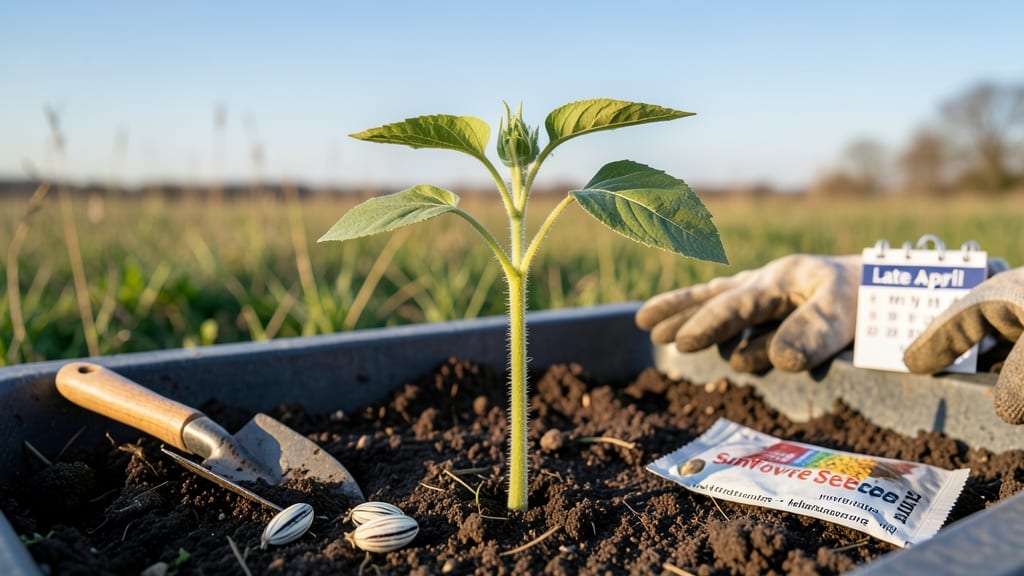
Plant sunflower seeds in Kansas after the last frost date — typically between late April and mid-June — when soil temperatures hit 55°F and stay warm.
Sunflowers aren’t just beautiful—they’re Kansas’ signature crop, but planting them at the wrong time means shorter stems and fewer blooms. Timing is everything for maximizing height and yield, and Kansas’ unpredictable climate demands precision.
Most gardeners in USDA zones 5b-7a wait until mid-May to play it safe, but early varieties can handle a light frost. The key is watching soil temps and frost forecasts, not just the calendar.
Below, I’ll break down the best planting windows by region, how to prep your soil, and when to expect those towering 10-foot blooms by harvest season.
Best planting dates for sunflowers in Kansas by region
Kansas' diverse climate means sunflower planting dates vary dramatically between eastern and western regions.
In the eastern humid zone (USDA 5b-6a), you can start as early as mid-April when soil warms to 55°F, while western dryland areas (USDA 6b-7a) often wait until late April to early May to avoid late frosts.
These differences impact stem height and bloom production—getting it wrong can mean sunflowers reaching only half their potential height.
The key factor is frost-free days. Eastern Kansas typically enjoys 165 frost-free days, giving you a longer window, while western Kansas' 150-155 days demand earlier planting. Even a single late frost after sprouting can stunt growth, so timing is everything for those 10-foot-tall giants we all love.
Here's how to match your region's microclimate for optimal sunflower growth:
| Region | USDA Zone | Optimal Planting Window | Soil Temp Requirement | Key Consideration |
|---|---|---|---|---|
| Eastern Kansas (Kansas City, Topeka) | 5b-6a | Mid-April to early June | 55°F+ | Higher humidity; watch for powdery mildew in late summer |
| Central Kansas (Salina, Manhattan) | 6a-6b | Late April to mid-May | 55°F+ | Transition zone; balance frost risk with heat tolerance |
| Western Kansas (Garden City, Hays) | 6b-7a | Late April to early May | 60°F+ (warmer needed) | Drier climate; prioritize deep watering after planting |
| Southwest Kansas (Dodge City) | 7a | Early to mid-May | 60°F+ | Extreme heat; choose heat-tolerant varieties |
For eastern Kansas gardeners, the May 1-15 window offers the best balance—giving plants enough time to mature before the first October frosts. I've found that early May plantings in this region often produce the tallest stems (12+ feet) because they avoid both spring frosts and late-summer heat stress.
In western Kansas, where summers arrive earlier, late April plantings are ideal. The drier climate means you'll need to water deeply every 3-5 days once established, but this timing helps avoid the 100°F+ temperatures that can scorch young seedlings. Pro tip: Use mulch to retain moisture in these areas.
Don't overlook microclimates within regions. For example, urban areas like Kansas City often experience 2-3°F warmer soil temperatures than rural fields, allowing for earlier planting. Conversely, low-lying areas near rivers may hold frost longer, requiring delayed plantings until mid-May.
If you're pre-sprouting seeds indoors (a great technique for western Kansas), start seeds 4-6 weeks before your region's last frost date. This gives you a 2-3 week head start on the growing season. Just be sure to harden off seedlings for 7-10 days before transplanting after May 1.
For late summer plantings, you can still try sunflowers in July, but expect shorter stems (6-8 feet) and smaller blooms. These short-season varieties work well for cut flowers or birdseed but won't reach their full height potential.
The trade-off? You avoid pests like sunflower moths that peak in June.
Remember: Soil temperature matters more than air temperature. Use a soil thermometer to confirm 55°F+ before planting—cold soil can delay germination by 2-3 weeks. In my eastern Kansas garden, I've seen seeds planted in 45°F soil take
How Kansas weather affects sunflower growth timing
Kansas' unpredictable weather can turn your sunflower dreams into a gamble if you don't time your planting right. Late-spring frosts in April and summer heatwaves above 100°F can stunt growth or even kill young plants.
The key to success lies in understanding how these weather patterns interact with sunflower development stages.
Sunflowers need consistent warmth to germinate and grow, but Kansas' soil temperatures often fluctuate wildly. Most varieties won't sprout until the soil reaches 55°F consistently.
In western Kansas, this might mean waiting until mid-May, while eastern regions can start as early as late April—but only if nighttime temperatures stay above 40°F.
⚠️ callout warning ⚠️
Kansas' average last frost date ranges from April 15 (eastern) to May 1 (western), but late frosts can occur through mid-May. Planting too early risks frost damage to young seedlings. Use row covers if you must plant early, or wait until after May 10 in most regions for 90% frost-free confidence.
✅ Pro Tip: Test soil temperature with a soil thermometer—wait until it hits 55°F for 5+ days before planting.
Once your sunflowers are established, Kansas' summer heat becomes the next challenge. While sunflowers love sunlight, prolonged temperatures above 95°F can cause flower drop or seed abortion.
The solution? Choose heat-tolerant varieties like 'Moulin Rouge' or 'Autumn Beauty' and provide deep watering (1-2 gallons per plant) during peak heat to maintain soil moisture.
Water availability is another critical factor. Kansas experiences drought conditions regularly, especially in western regions. Sunflowers are drought-tolerant once established, but they need consistent moisture during their first 4-6 weeks of growth.
A mulch layer (2-3 inches of straw or wood chips) helps retain moisture and regulate soil temperature—critical for root development.
For maximum height and bloom production, aim to plant sunflower seeds when daytime temperatures are consistently above 70°F. In Kansas, this typically means late May to early June for most regions.
If you're growing tall varieties (8+ feet), give them 6-8 hours of sunlight daily and well-draining soil to support their rapid growth during summer's peak.
Don't forget that wind plays a role too. Kansas' prevailing winds can stress sunflowers, especially during flowering. Stake tall varieties at planting time to prevent stem breakage, and consider planting in sheltered areas if your garden is exposed to high winds.
With the right timing and care, you'll be rewarded with sunflowers towering over your fence by late summer! 🌻