
Planting
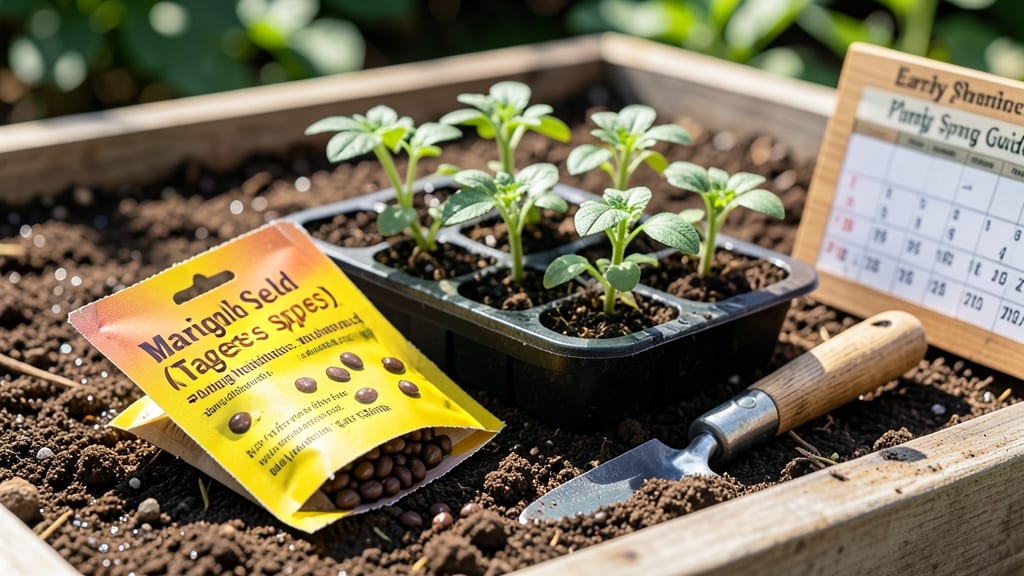
When to start planting flower seeds at the right time means the difference between a garden bursting with 🌸 and a season of missed blooms.
Timing your flower seed planting can mean the difference between a vibrant summer garden and a season of disappointment—get it wrong, and you’ll either face frost-killed seedlings or miss peak bloom times entirely.
Most gardeners in Zone 6a (like me!) start indoors 6-8 weeks before the last frost—around mid-February for spring blooms. But the exact window depends on whether you’re growing annuals, perennials, or cold-hardy varieties, and whether you’re sowing indoors or outdoors.
Below, I break down the best planting times by region, how to adjust for early starts or late frosts, and the 3 biggest mistakes that ruin timing—so you can plan with confidence and enjoy blooms all season long.


Understanding last frost dates and your planting Zone for flower seeds
Timing your flower seed planting depends on two critical factors: your USDA hardiness zone and your local last frost date. These determine whether you’ll start seeds indoors, direct sow outdoors, or adjust for microclimates in your region.
For example, a Zone 5 gardener in Minnesota faces a very different schedule than a Zone 10 gardener in California—one might plant in March, while the other starts in November!
Your last frost date is the average final frost of spring, marking the safe window for outdoor planting. Check your zone on the USDA Plant Hardiness Zone Map—it’s your gardening GPS!
For instance, Zone 7 typically has last frosts between March 15–April 15, while Zone 3 can wait until May 1 or later. Always verify with local weather data, as microclimates (like urban heat islands) can shift dates by weeks.
Cold-hardy annuals like pansies or snapdragons can handle light frosts, while tender perennials like dahlias need to wait until soil warms to 60°F. Perennials like black-eyed Susans often tolerate earlier sowing, but their blooms may appear later in the season if planted too soon.
Here’s how to use these tools to plan your flower seed schedule:
| Plant Type | USDA Zone | Last Frost Date | Indoor Start | Outdoor Sow |
|---|---|---|---|---|
| Cold-Hardy Annuals (Pansies, Snapdragons) | Zones 3–7 | March 15–April 15 | 4–6 weeks before last frost | 2–4 weeks before last frost |
| Heat-Loving Annuals (Marigolds, Petunias) | Zones 5–10 | April 1–May 15 | 6–8 weeks before last frost | After soil reaches 60°F |
| Perennials (Coneflowers, Black-Eyed Susans) | Zones 4–8 | April 1–May 1 | Indoor: 8–10 weeks before | Direct sow after frost |
| Biennials (Foxgloves, Hollyhocks) | Zones 3–9 | April 15–May 15 | Start indoors early | Transplant after frost |
For Zone 6 gardeners (like those in the Midwest), last frosts typically fall between April 15–May 1. This means starting petunias indoors in February and marigolds in March ensures they’re ready for outdoor planting by late spring.
Meanwhile, Zone 10 gardeners in Southern California might sow cosmos directly outdoors in November for winter blooms!
Pro tip: Use the Almanac’s Frost Date Calculator or your local Cooperative Extension Service for hyper-localized advice. For example, Denver (Zone 5) often has later frosts than Boulder (Zone 6) due to elevation differences—always check microclimates in your area.
Regional examples highlight why timing matters. In New England (Zone 4–5), zinnias started indoors in March bloom by June, while Texas (Zone 8–9) gardeners can direct sow sunflowers in February. Adjust for early vs. late varieties—some cosmos sprout in 50°F soil, while geraniums need 65°F.
Don’t overlook fall planting for biennials or cool-season annuals like pansies. In Zone 7, sowing snapdragons in August ensures blooms by October, while Zone 3 gardeners might wait until September
Indoor vs. outdoor planting: when to start seeds early for longer blooms
Starting flower seeds at the right time ensures you get the longest, most vibrant blooms of the season. Whether you're growing heat-loving marigolds or cool-season pansies, timing is everything. The key difference between indoor and outdoor planting lies in seedling development speed and frost sensitivity.
Indoor starts give you a head start, while direct sowing outdoors works for hardier varieties.
For most gardeners in USDA Zone 6a, the last frost date typically falls around April 15. This date becomes your anchor for planning. However, cool-season flowers like pansies can handle light frosts, while tender annuals like zinnias need warm soil to thrive.
Understanding these differences helps you avoid common pitfalls like overcrowded seedlings or late-season blooms.
Start heat-loving seeds indoors 4-6 weeks before last frost
Examples: Marigolds, zinnias, petunias need warm soil (60°F+) to germinate. Indoor starts ensure they're ready by May 1 in Zone 6a.
Begin cool-season flowers indoors 8 weeks before last frost
Examples: Pansies, snapdragons, sweet peas tolerate cooler temps. Start these by March 15 in Zone 6a for early blooms.
Direct sow hardy annuals outdoors 2-4 weeks after last frost
Examples: Cosmos, sunflowers, nasturtiums can handle cooler soil. Wait until soil reaches 55°F+ for best results.
Plant perennials outdoors 6-8 weeks before last frost
Examples: Black-eyed Susans, coneflowers establish roots early. Start these outdoors by March 1 in Zone 6a for strong first-year blooms.
Adjust timing for late-summer blooms by starting seeds 6-8 weeks before first frost
Examples: Cosmos, sunflowers for fall color. Plant by July 15 in Zone 6a to enjoy blooms until first frost.
If you're growing marigolds for pest control, starting them indoors by March 1 ensures they're established before aphids and whiteflies become active. For pansies, which bloom in cooler weather, an early indoor start by February 15 gives you 3-4 months of continuous color from spring through early summer.
For direct sowing outdoors, wait until soil temperatures reach 60°F+ for heat-lovers like zinnias or 55°F+ for cooler-tolerant varieties such as nasturtiums. Use a soil thermometer to check—this simple tool prevents costly mistakes. In Zone 6a, this typically means late April to early May for most annuals.
Pro tip: Keep a gardening journal to track your local frost dates and seed-starting success. Over time, you'll fine-tune your timing to match your microclimate. For example, urban areas often have warmer microclimates than rural zones, so adjust your planting dates accordingly.
The goal is to maximize bloom time while avoiding seedling stress from temperature swings.