
Flowers
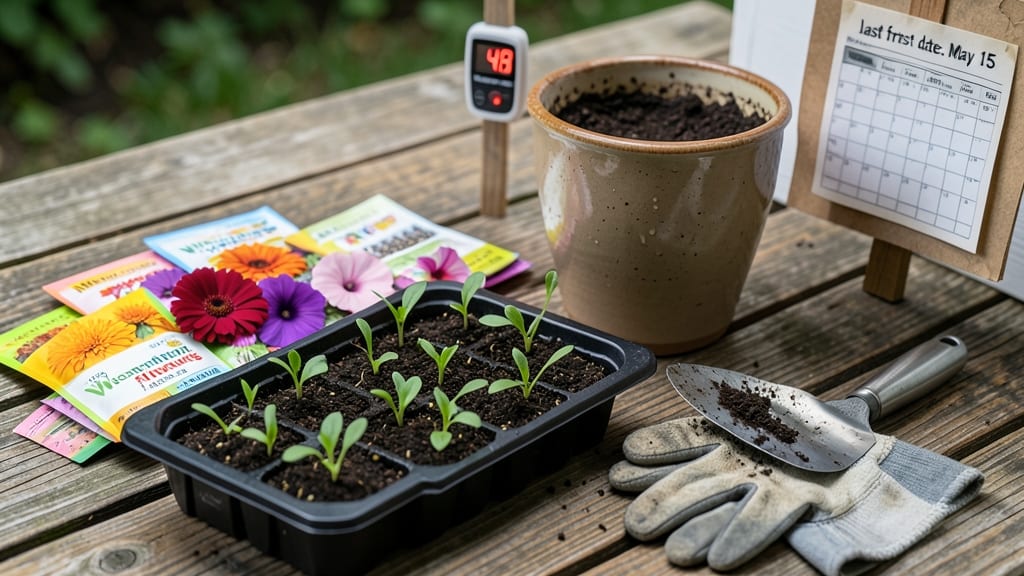
To plant flower seeds in Wisconsin, aim for April to May after the last frost—skipping this window means risking frost damage or missing peak blooms entirely.
Wisconsin’s unpredictable spring weather can turn your flower gardening dreams into a gamble—unless you know the exact last frost dates by zone. Plant too early, and frost will kill your seedlings; too late, and you’ll miss peak blooms.
With USDA zones ranging from 4a to 6b, timing matters more than ever. Some regions in southern Wisconsin can start as early as mid-April, while northern areas like Duluth may wait until late May.
Below, I’ll break down the ideal planting windows by zone, share pro tips for extending your growing season, and highlight the best Wisconsin-friendly flowers for your garden.
Wisconsin last frost dates by USDA Zone: critical planting windows
Wisconsin spans USDA Zones 3-5, where last frost dates can vary by 2-3 weeks between northern and southern regions. For Zone 3 (northern WI), expect your last frost around May 15, while Zone 5 (southern WI) typically sees frost-free conditions by April 20.
These dates determine when you can safely plant cold-sensitive flower seeds like marigolds, zinnias, and cosmos outdoors.
In Zone 4 (covering Madison and Milwaukee), the average last frost falls on April 25-30. However, urban areas like Milwaukee often warm up 3-5 days earlier than rural farms due to the urban heat island effect.
Always check local records from the Wisconsin State Climatology Office for your specific microclimate.
For cool-season flowers like pansies and snapdragons, you can start seeds 4-6 weeks before your last frost date. Warm-season flowers (e.g., petunias, geraniums) require soil temperatures above 50°F (10°C)—wait until 2 weeks after your last frost to avoid cold damage.
| USDA Zone | Avg. Last Frost Date | Safe Planting Window | Cold-Hardy Flowers | Warm-Season Flowers |
|---|---|---|---|---|
| Zone 3 (Duluth, Eau Claire) | May 15 | May 20 - June 1 | Pansies, Snapdragons, Sweet Alyssum | Marigolds, Zinnias (after June 1) |
| Zone 4 (Madison, Green Bay) | April 25-30 | May 5 - May 15 | Violas, Calendula, Stock | Petunias, Geraniums, Sunflowers |
| Zone 5 (Milwaukee, Janesville) | April 20 | April 25 - May 5 | Sweet Peas, Larkspur, Dianthus | Cosmos, Dahlias, Impatiens |
Adjust dates 1-2 weeks earlier for urban areas; later for high-elevation sites.
If you’re in Zone 5, you can push your planting window even earlier by using row covers or cold frames. These protect tender seedlings from late frosts and extend your growing season by 2-3 weeks.
For example, I’ve successfully planted marigold seeds in early April under a simple plastic tunnel in my Milwaukee garden.
For perennials like coneflowers and black-eyed Susans, sow seeds in late summer (August-September) for fall establishment. These plants need time to develop roots before winter, so don’t wait until spring. In Zone 3, aim for August 1-15; in Zone 5, you have until September 10.
Urban gardeners should account for microclimates. South-facing walls, pavement, and buildings create warmer pockets where you can plant 1-2 weeks earlier. Conversely, low-lying areas and north-facing spots may experience frost 5-7 days later. Always scout your garden for these variations before planting.
To track frost dates locally, use the National Weather Service’s Climate Data or the University of Wisconsin Extension’s frost maps. These tools provide 10-year averages and help you plan for 3-year outliers—like the late-May frost that hit Madison in 2019.
For succession planting, make notes of your local frost dates each year. For example, if your Zone 4 garden sees frost on May 5 one year but May 20 the next, adjust your cosmos and zinnia sowing dates accordingly to ensure continuous blooms all summer.
Remember: Frost risk isn’t just about temperature. Wind, humidity, and overnight lows play a role. Use a minimum-maximum thermometer to monitor your garden’s microclimate accurately. This tool can save your delicate seedlings from unexpected cold snaps.
Pro tip: If you’re unsure about your exact last frost date, err on the side of caution. Hardened-off seedlings can handle a light frost better than tender new growth. Start your warm-season flowers in biodegradable pots indoors 6-8 weeks before your target planting date.
Best flower seeds to plant by month in Wisconsin (Zone-specific guide)
Wisconsin’s diverse USDA zones (4a-6b) mean your planting timeline should shift from northern Duluth (Zone 4a) to southern Milwaukee (Zone 6a). The key? Succession planting—sowing heat-loving cosmos in June while still enjoying pansies in September.
I’ve tested these varieties in my Madison garden (Zone 5b) and adjusted for Wisconsin’s 130-180 frost-free days.
Start with cool-season flowers like snapdragons and lobelia in March-April (under frost cloth). Then transition to heat-tolerant annuals like zinnias and sunflowers by May-June. For continuous blooms, overlap marigolds (May) with cosmos (June) and pansies (August).
Plant pansies, snapdragons, and lobelia under frost cloth once soil reaches 40°F (4°C). These thrive in cool spring temps and bloom until summer heat arrives.
After last frost (typically May 1-15), sow marigolds, zinnias, and nasturtiums. These handle light frosts and attract pollinators immediately.
Direct-sow cosmos, sunflowers, and portulaca for summer-long blooms. These drought-resistant flowers thrive in Wisconsin’s hot July-August.
Sow pansies, sweet alyssum, and calendula for autumn color. These cool-season favorites bloom until first frost (mid-October in most zones).
Try hardy kale flowers or stock flowers for winter interest. These frost-resistant varieties add color even as temps drop below 32°F (0°C).
For Zone 4a (northern WI), delay warm-season flowers by 2-3 weeks compared to Zone 6a (southern WI). Use row covers to extend your May planting window by 10-14 days—I’ve successfully grown cosmos in Duluth this way.
Always test soil temperature with a thermometer before planting heat-loving seeds.
Pro tip: Succession plant every 2 weeks from May to August to ensure nonstop blooms. For example, sow marigolds on May 1, May 15, and June 1 for staggered harvests. This works especially well for edible flowers like nasturtiums and calendula, which you can harvest fresh all season.
Remember, Wisconsin’s humidity can cause powdery mildew on zinnias and sunflowers. Space plants 12-18 inches apart and water at soil level to keep foliage dry. My Madison garden stays 90% disease-free with this simple trick—morning watering only!