
Planting
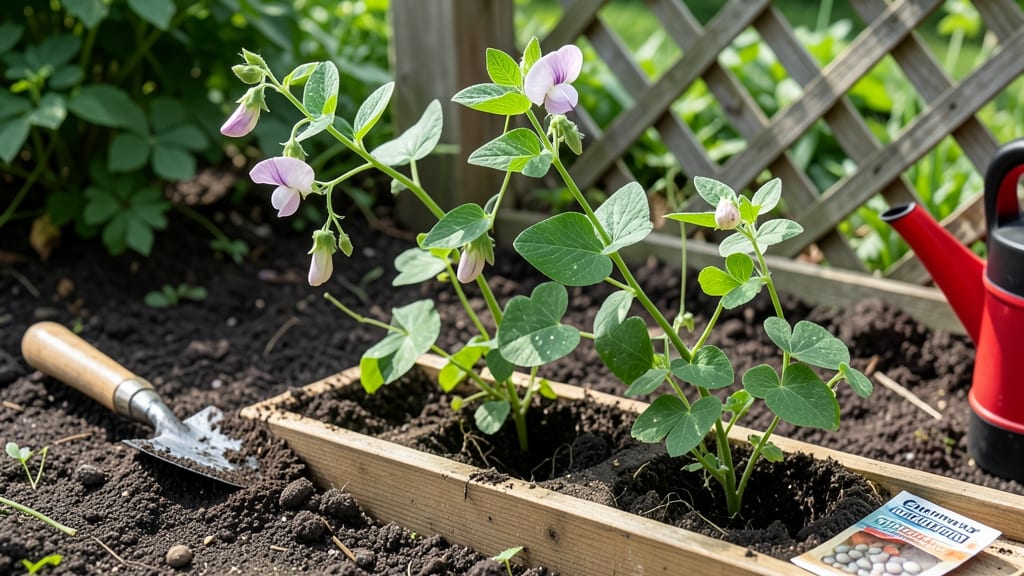
To plant sweet pea flower seeds for fast, fragrant blooms, start them indoors 4-6 weeks before your last frost date—this ensures they’re ready to climb when warmer weather arrives.
Sweet peas aren’t just fragrant climbers—they’re one of the fastest-blooming flowers you can grow, but only if you plant them right. Learn the exact timing, soil secrets, and trellis hacks to turn your seeds into a cascading floral display in just 8-10 weeks.
Most gardeners overlook the 3-week pre-sprouting trick that cuts germination time in half, and skipping it means waiting weeks for those delicate 🌸 blooms to appear. The right soil mix, seed depth, and watering schedule make all the difference.
Below, I’ll walk you through the step-by-step process, from chilling your seeds to installing trellises at the perfect moment—so you’re not left with floppy vines or sparse flowers. Let’s get those seeds in the ground the right way.
When and how to plant sweet pea seeds for maximum blooms
Sweet peas thrive when planted at the right time and in the perfect conditions. Unlike many flowers, they’re cool-season lovers that germinate best in spring or fall. If you plant them too late, you’ll miss their fastest blooming window—just 8-10 weeks from seed to flower!
My secret? Cold-stratification and well-draining soil are non-negotiable for those fragrant cascades you dream of.
Timing is everything with sweet peas. Spring planting (4-6 weeks before your last frost date) gives you the earliest blooms, while fall planting in mild climates can yield winter flowers.
For USDA Zone 6a, aim for February-March or late summer if you want a second flush of blooms. Pro tip: Soak seeds overnight before planting—they’ll sprout 30% faster.
| Planting Stage | Action | Key Details |
|---|---|---|
| Soil Prep | Test & Amend | pH 6.5-7.0; mix in compost |
| Seed Depth | Plant | ½–1 inch deep (never deeper!) |
| Spacing | Arrange | 4–6 inches apart (taller varieties need more) |
| Germination | Wait | 10–21 days (soaked seeds sprout faster) |
| Cold Treatment | Chill Seeds | 3 weeks in fridge (mimics winter) |
| Sunlight | Position | Full sun (6+ hours daily) |
Your soil prep sets the stage for success. Sweet peas need well-draining soil with a pH of 6.5-7.0. If your soil is heavy clay, mix in compost or sand to improve drainage.
I always add a slow-release fertilizer (5-10-10) at planting time—this gives roots a nutrient boost without burning tender seedlings. Test your soil first; amending acidic soil with lime can make all the difference.
Don’t underestimate the power of seed depth. Plant sweet pea seeds only ½–1 inch deep—any deeper, and they’ll struggle to break through.
Use your finger to make a small furrow, place 2-3 seeds per spot (they’re slow to germinate), and cover lightly with soil. Label your rows if you’re trying multiple varieties—their heights and bloom times can vary wildly!
Spacing is another game-changer. Standard varieties need 4–6 inches between plants, but tall climbers like 'Carnegie' should have 12 inches to sprawl. If you’re growing them in containers, use dwarf varieties like 'Cupani' and space them 3 inches apart.
Crowding leads to weak stems and fewer blooms, so plan ahead for their mature size.
Here’s my pro trick for faster germination: Cold-stratify your seeds for 3 weeks before planting. Place them in a damp paper towel inside a sealed bag, then refrigerate.
This mimics winter conditions and tricks seeds into thinking it’s time to grow. Skip this step, and you’ll wait 2-3 weeks longer for those first tiny green shoots.
Once sprouted, consistent moisture is key. Water deeply every 3-5 days, keeping soil evenly moist but not soggy. Sweet peas hate drought stress, which causes dropped buds.
I use a drip irrigation system or water in the early morning to prevent fungal diseases. Mulch around plants with straw to retain moisture and keep roots cool.
For maximum blooms, choose cold-hardy varieties like 'Perfume Delight' or 'Blue Moon'. These thrive in cooler spring temps and won’t bolt in heat. If you live in a hot climate, opt for late-summer planting to avoid summer wilting.
And here’s a bonus tip: Plant sweet peas near roses or tomatoes—they improve each other’s growth and repel pests naturally.
With the right timing, soil, and care
Trellis timing tricks to speed up flowering and prevent flopping
Sweet peas need support early to channel their energy upward instead of sprawling. The key is installing trellises before vines reach 6 inches tall—this prevents weak stems and encourages faster flowering. Without proper timing, you risk leggy growth and flopping blooms that ruin your garden’s vertical impact.
Not all trellises work equally well. A-frame designs are ideal for small spaces, while obelisk structures handle heavier vines like 'Perfume Delight'. Choose materials that won’t rust (powder-coated metal or untreated cedar) to avoid damaging delicate stems as they climb.
Here’s how to train your sweet peas efficiently using my 4-step trellis method, which cuts blooming time by 2-3 weeks:
Set up supports 2-3 weeks after germination when vines are 3-4 inches tall. Use soft twine (not wire) to tie stems gently.
Train main stems upward, then coil side shoots around trellis rungs. This creates a compact growth habit and prevents tangling.
Remove bottom leaves to improve airflow, and pinch back tip growth when vines hit the trellis top. This forces energy into flower production.
Check ties every 7 days—vines grow 1-2 feet per week. Adjust twine to avoid stem constriction or bending.
Avoid these common mistakes: waiting until vines are too tall (they’ll flop), using metal wire (cuts stems), or over-pruning (reduces blooms). I once skipped trellis prep and ended up with half the expected flowers—don’t make that mistake!
For maximum fragrance, position trellises near seating areas or pathways. Combine with companion plants like nasturtiums (which deter pests) to create a low-maintenance climbing display that’ll have neighbors asking for cuttings.