
Flowers
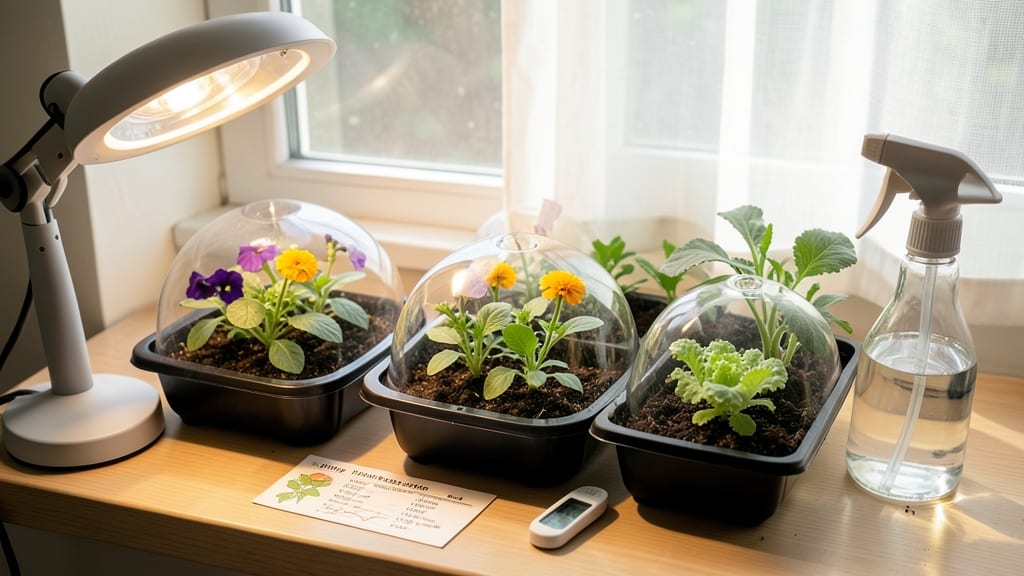
Using a when to start flower seeds indoors chart ensures vibrant blooms and avoids the frustration of leggy seedlings or missed seasons.
Picture this: you’ve got your seed trays ready, the soil is warm, and you’re eager to see those first sprouts. But if you start too early, you’ll be wrestling with overcrowded seedlings by spring.
Too late, and you’ll miss the peak bloom window entirely. This chart gives you the exact timing for USDA Zone 6a and beyond, so you can plan with confidence.
Whether you’re growing annuals like petunias or perennials like coneflowers, the key is knowing how many weeks before your last frost to begin.
For Zone 6a, that’s typically 4-8 weeks out, but the exact date depends on the flower type and your local climate quirks—like coastal delays or early inland frosts.
Below, I’ll walk you through a simple chart, adjustments for early vs. late bloomers, and common mistakes to avoid. By the end, you’ll know exactly when to press "start" on your seedling journey—and watch your garden transform.
USDA Zone flower seed starting chart by last frost date
Getting your flower seeds off to the right start indoors means timing your sowing to match your USDA zone and last frost date. Too early, and you’ll deal with overcrowded trays and leggy seedlings; too late, and you’ll miss peak blooms.
This chart breaks down the perfect indoor seed-starting windows for popular annuals and perennials, including adjustments for coastal vs. inland climates.
Coastal areas often have later last frost dates due to ocean moderation, while inland zones may experience earlier frost. For example, Zone 5a (average last frost: May 15) might start petunias 8-10 weeks before, while Zone 10a (no frost) can sow directly or start seeds year-round.
Always check your local frost dates for precision.
Key factors to consider: days to maturity, seedling heat needs, and light availability. Most annual flowers (like marigolds or zinnias) need 6-8 weeks indoors before transplanting, while longer-season perennials (like coneflowers) may require 10-12 weeks.
| USDA Zone | Last Frost Date | Marigolds (Annual) | Petunias (Annual) | Zinnias (Annual) | Coneflowers (Perennial) | Black-Eyed Susans (Perennial) |
|---|---|---|---|---|---|---|
| Zones 3-4 | May 1-15 | March 1-15 | February 15-March 1 | March 15-April 1 | February 1-March 15 | January 15-February 15 |
| Zones 5-6 | April 15-May 1 | February 15-March 15 | February 1-March 1 | March 1-April 1 | January 30-February 15 | January 1-February 1 |
| Zones 7-8 | March 15-April 15 | January 15-February 15 | December 15-January 15 | February 1-March 1 | December 15-January 15 | November 15-December 15 |
| Zones 9-10 | No frost or Dec 15 | October-November (or direct sow) | September-October (or direct sow) | August-September (or direct sow) | August-September | July-August |
| Coastal Adjustments | 2-4 weeks later | Delay by 2-3 weeks |
How to adjust seed starting times for early vs. late bloomersNot all flowers bloom on the same schedule, which means their seed-starting windows vary dramatically. Long-season flowers like dahlias and hollyhocks need a 10-12 week head start indoors, while fast growers such as snapdragons and marigolds thrive with just 6-8 weeks before transplanting. Understanding these differences prevents leggy seedlings or missed bloom times. Your USDA zone plays a critical role too. For example, Zone 7a (with later frost dates) may start dahlias in February, while Zone 7b (earlier frost) can wait until early March. Even within the same zone, microclimates—like coastal areas with milder winters—can shift your timeline by weeks. Here’s how to adjust your schedule for early bloomers (like tulips) versus late-season performers (like cosmos) while accounting for zone overlaps: 🌱 Key Timing Adjustments
Pro Tip: Use a seed heat mat for slow germinators like lupines to speed up early starts.
For perennial flowers, like black-eyed Susans, start seeds 8-10 weeks before last frost—they need time to establish roots before winter. Meanwhile, annuals like cosmos can wait until 6 weeks out since they self-seed easily. Always check seed packets for days-to-maturity labels to fine-tune your schedule. If you’re in a transition zone (e.g., Zone 6b/7a), err on the side of starting seeds earlier—you can always harden off late seedlings outdoors. Use grow lights to extend daylight for leggy seedlings, ensuring they’re stocky and strong before transplanting. Finally, keep a gardening journal to track your local frost dates and adjust future years. Over time, you’ll master the art of balancing bloom times—ensuring your garden bursts with color from early spring to late fall. 🌸 |