
Flowers
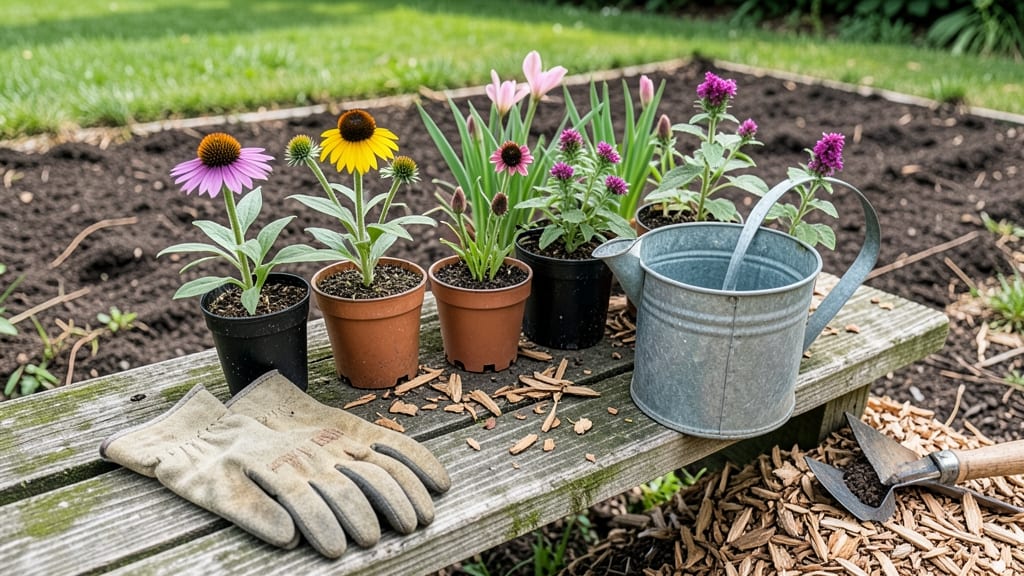
The Zone 6 planting schedule for flowers is your roadmap to a garden that bursts with color from spring through fall—if you nail the timing.
Picture this: you’ve spent weeks preparing your beds, but your 🌸 pansies bloom too late to enjoy, or your marigolds fizzle out before summer’s end. That’s the difference between a perfectly timed schedule and one that leaves you guessing.
Zone 6’s 165 frost-free days are your window—miss it by even a week, and your blooms could arrive late or never show up at all.
This schedule cuts through the guesswork with exact dates for 20+ top-performing flowers, whether you’re sowing seeds, transplanting seedlings, or tucking in bulbs. We’ll cover everything from cold-hardy varieties like tulips (plant them in fall!) to heat-lovers like zinnias (wait until after your last frost on April 15).
Ready to transform your garden into a year-round showstopper? Here’s how to time every planting for peak blooms, avoid common mistakes, and keep your flowers thriving—no more wasted effort or missed deadlines.

Zone 6 flower planting schedule by season: exact dates for annuals and perennials
Timing your flower plantings in Zone 6 can make the difference between a garden bursting with color and one that struggles to bloom.
With average last frost dates around April 15 and first frost dates near October 15, you have a narrow window to get both cold-hardy annuals and heat-sensitive perennials into the ground at the perfect moment.
This schedule ensures your flowers thrive from spring through fall, whether you're direct sowing seeds or transplanting young plants.
For spring-blooming flowers, start with cold-hardy varieties like pansies and snapdragons in early spring, while summer annuals like zinnias and marigolds should wait until after your last frost date.
Fall planting focuses on bulbs and biennials that need time to establish roots before winter. Let’s break down the exact timing for each season to maximize your blooms.
| Season | Plant Type | Direct Sowing | Transplant | Bloom Time |
|---|---|---|---|---|
| Spring | Cold-Hardy Annuals | March 15 - April 15 | April 1 - April 30 | April - June |
| Spring | Perennials | April 15 - May 15 | April 15 - May 15 | May - September |
| Summer | Heat-Loving Annuals | May 1 - June 15 | May 15 - June 15 | June - October |
| Fall | Biennials & Bulbs | August 1 - September 15 | September 1 - October 1 | Spring (Next Year) |
| Fall | Cold-Hardy Annuals | August 15 - September 15 | September 15 - October 10 | September - Frost |
In early spring, focus on cold-hardy annuals like pansies, sweet alyssum, and snapdragons. These can handle light frosts and often bloom as early as April. Start seeds indoors by March 15 for a head start, or sow directly into the garden once soil temperatures reach 40°F.
Transplanting these varieties between April 1 and April 30 ensures they establish roots before summer heat arrives.
For perennials, timing is critical to avoid late-season dieback. Most perennials, like coneflowers, black-eyed Susans, and daylilies, should be planted after your last frost date (around April 15 in Zone 6).
This gives them time to root before summer’s intense heat. If you’re planting bare-root perennials, do so by May 15 to allow for full establishment before winter.
Summer planting shifts to heat-loving annuals like zinnias, marigolds, and cosmos. These thrive when soil temperatures exceed 60°F, so wait until May 1 to start seeds directly in the garden. Transplanting young plants between May 15 and June 15 gives them time to mature before fall’s cooler temperatures arrive.
Avoid planting tender annuals like geraniums or petunias after July 1, as they may not bloom before frost.
Fall planting is all about preparing for winter. Biennials like foxgloves and hollyhocks should be sown by August 1 to develop strong roots before winter dormancy.
For bulbs like tulips and daffodils, plant them between September 1 and October 1—this ensures they establish roots before the ground freezes. Cold-hardy annuals like stocks and calendulas can also be sown in late summer for fall blooms that last until frost.
Don’t forget to adjust for microclimates—areas near bodies of water or in urban heat islands may have slightly different frost dates. Always check your local <
Best flowers for Zone 6 by bloom time: early, mid, and late season stars
Zone 6 gardeners know timing is everything—plant too early, and frost will nip your blooms in the bud. Too late, and summer heat arrives before your flowers even think about showing off.
The key to a nonstop color show is selecting seasonal standouts that thrive in Zone 6's 165 frost-free days. I've curated my top picks based on bloom periods, hardiness, and planting deadlines to keep your garden vibrant from March through October.
For early-season drama (March-May), focus on cold-tolerant varieties like tulips and daffodils that brave spring's unpredictable chill. Mid-season (June-August) demands heat-loving black-eyed Susans and coneflowers to handle Zone 6's summer swelter.
Finally, late-season stars like chrysanthemums and asters extend color until frost. Let's dive into the exact planting windows for each category.
🌱 Early Season Stars (March-May)
- 🌷 Tulips (Tulipa) - Plant bulbs 6-8 weeks before first frost (late September-October). Blooms March-April. Zone 3-8.
- 🌼 Daffodils (Narcissus) - Plant bulbs October-November. Blooms April-May. Zone 3-8.
- 🌼 Bleeding Heart (Dicentra) - Start seeds indoors in March or plant tubers September-October. Blooms April-June. Zone 3-9.
- 🌸 Pansies (Viola) - Sow seeds March-April or transplant September. Blooms March-May, then again September-October. Zone 7-10 (tender but fast-growing).
☀️ Mid-Season Powerhouses (June-August)
- 🌻 Black-Eyed Susan (Rudbeckia) - Direct sow April-May or transplant March-April. Blooms June-September. Zone 4-9.
- 🌼 Coneflower (Echinacea) - Plant March-April. Blooms June-August. Zone 3-9.
- 🌺 Daylilies (Hemerocallis) - Divide in spring or fall. Blooms June-August. Zone 3-9.
- 🌼 Lavender (Lavandula) - Plant March-April. Blooms June-July. Zone 5-9.
🍂 Late Season Extenders (September-October)
- 🌼 Chrysanthemums (Chrysanthemum) - Plant March-April. Pinch back in June-July for fall blooms. Zone 5-9.
- 🌼 Asters (Symphyotrichum) - Direct sow April-May or transplant March-April. Blooms September-October. Zone 3-7.
- 🌷 Russian Sage (Perovskia) - Plant March-April. Blooms July-October. Zone 5-9.
- 🌼 Goldenrod (Solidago) - Direct sow April-May. Blooms August-October. Zone 3-9.
Pro tip: Extend your bloom time by interplanting early, mid, and late-season varieties. For example, pair tulips (March) with pansies (September) in the same bed—when the tulips fade, the pansies take over.
Always check your last frost date (April 15) and first frost date (October 15) for your specific microclimate, as these can vary by 1-2 weeks even within Zone 6.
Don't overlook fall planting for perennials like coneflowers and asters. Cooler temperatures and consistent moisture in early fall create ideal conditions for root establishment before winter. I've seen aster plants sown in September produce twice as many blooms the following fall compared to spring plantings.
For container gardens, prioritize compact varieties like dwarf coneflowers or miniature pansies. These thrive in pots and let you move them to sunniest spots or protected areas during extreme weather. Just remember: containers dry out faster, so water daily in summer and use moisture-retentive soil.