
Flowers
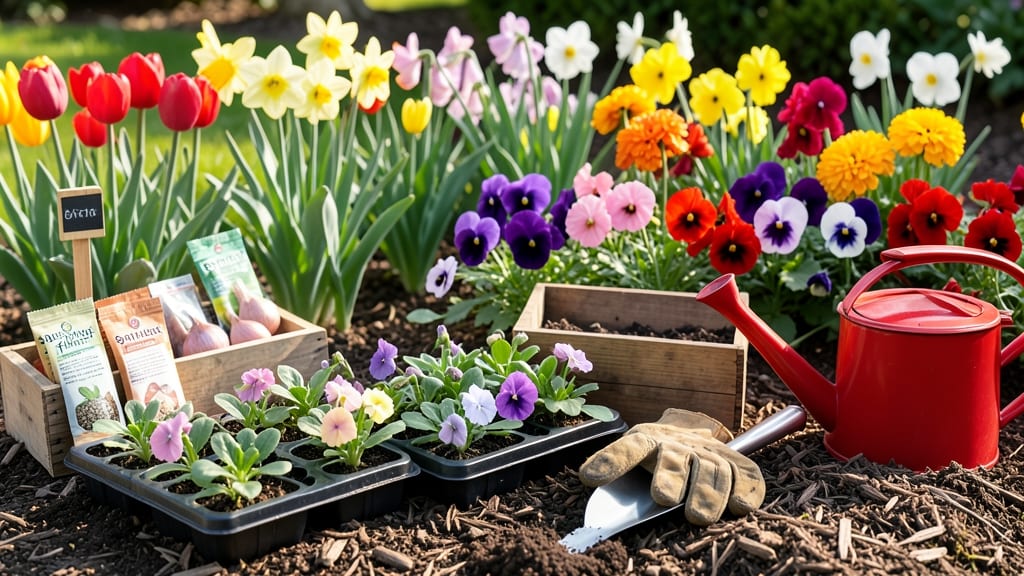
Planting flowers in spring at the right time means the difference between a garden bursting with color and one that barely makes it past the first frost 🌸.
Timing is everything in gardening—plant your spring flowers too early, and frost will kill them; too late, and you’ll miss peak blooms. Here’s the exact science behind when to plant flowers in spring, broken down by your USDA zone for foolproof success.
Most gardeners in Zone 6a (like me!) wait until after the last frost date—usually mid-April—but the best time depends on whether you’re planting annuals, perennials, or bulbs. Annuals like marigolds and pansies can handle cooler soil, while tender varieties need warmer earth to thrive.
Below, I’ll walk you through the ideal planting windows by zone, how to prep your soil for success, and the three biggest mistakes that even experienced gardeners make. Ready to get your spring garden off to the right start?
USDA zone-specific flower planting dates for spring success
Getting your spring flowers in the ground at the right time ensures vibrant blooms and healthy growth. The key is knowing your USDA zone and your average last frost date. Plant too early, and a late frost can wipe out tender seedlings.
Too late, and you’ll miss peak blooming seasons. Let’s break it down by zone so you can plant with confidence.
Most gardeners follow the "wait until the soil warms" rule—typically when daytime temps stay above 50°F (10°C) and nighttime temps don’t dip below 40°F (4°C). But the exact timing varies wildly from Zone 3 (cold climates) to Zone 10 (mild winters).
Below, you’ll find a customizable chart with ideal planting windows for annuals, perennials, and bulbs in each zone.
Pro Tip: Use a soil thermometer to check if the top 2-3 inches of soil are at least 60°F (15°C). Cold soil can stunt root growth, even if air temps are warm. If you’re unsure about your zone, the USDA Plant Hardiness Zone Map is your best friend.
For Zone 3-4 gardeners, patience is key.
Start tender annuals like marigolds and zinnias indoors in March and transplant after the last frost. Perennials like coneflowers and black-eyed Susans can handle cooler soil, so plant them as soon as the ground is workable. Bulbs like tulips and daffodils should go in the ground in early spring (March-April) for fall blooms.
In Zones 5-6, you’ve got a golden window from early April to mid-May. This is prime time for annuals like petunias and perennials such as lavender. If you’re in a frost-prone pocket, wait until May 1 to be safe.
For bulbs like hyacinths, plant them in October for spring color—they need cold stratification to bloom.
Gardeners in Zones 7-8 can start early, even in February for cool-season annuals like pansies. Perennials like daylilies and coreopsis thrive when planted in early spring before the heat of summer.
If you’re planting tender perennials like salvia, wait until April to avoid heat stress. Bulbs like daffodils can go in the ground as early as September.
If you live in Zones 9-10, you’re in luck—year-round planting is possible! For spring blooms, plant annuals like snapdragons in fall (September-November). Perennials like bougainvillea and hibiscus can be planted almost anytime, but avoid the <
How to adjust planting dates for early vs late spring conditions
Spring weather can be as unpredictable as a whimsical butterfly 🦋—one day it’s sunny and warm, the next you’re shivering through a surprise frost. To beat Mother Nature’s mood swings, I’ve learned to adjust planting dates based on soil temperature, moon phases, and local microclimates.
These tweaks can mean the difference between a garden that thrives and one that barely survives.
For example, in Zone 6a, my last frost date is typically April 15, but I’ve seen it shift by two weeks either way.
That’s why I always check my soil thermometer—most spring flowers need soil temps of at least 50°F (10°C) for bulbs and 60°F (15°C) for tender annuals like petunias before planting.
Here’s the catch: planting too early risks frost damage, while waiting too long can delay blooms. The key is balancing frost risk with growth speed. Hardier flowers like pansies or snapdragons can handle cooler soil, while geraniums or marigolds need warmth to germinate properly.
⚠️ callout-warning ⚠️
⚠️ Warning: Don’t Plant Too Early!
Even cold-hardy flowers like tulips or daffodils can suffer if planted in frozen soil. Use this rule: Wait until soil is workable (not muddy or icy). For tender flowers, delay until soil hits 60°F (15°C)—a soil thermometer is your best friend!
🔍 Pro Tip: Plant hardy annuals 2-3 weeks before your last frost date, but tender perennials should wait until after the last frost.
Another trick I swear by is using the moon phases to guide planting. While not scientific, many gardeners (including me!) plant root crops like tulips during the waxing moon for stronger roots and leafy flowers like pansies during the waning moon for lush foliage.
It’s a low-cost way to fine-tune timing when weather forecasts fail.
For frost-prone areas, I extend the season with row covers or cold frames. These simple tools can add 4-6 weeks to your planting window. For example, I use floating row covers to protect petunias or impatiens until late May, even if frost lingers.
Just remove covers when temps hit 70°F (21°C) to avoid overheating.
Finally, always assess your microclimate. A south-facing bed warms up faster than a north-facing one, and slopes dry out quicker. If your garden has frost pockets (like low areas where cold air settles), plant frost-sensitive flowers on higher ground or use black plastic mulch to warm the soil faster.
With these adjustments, you’ll turn unpredictable spring weather into an advantage—your flowers will bloom earlier, last longer, and reward you with vibrant color all season long. Happy planting! 🌷