
Planting
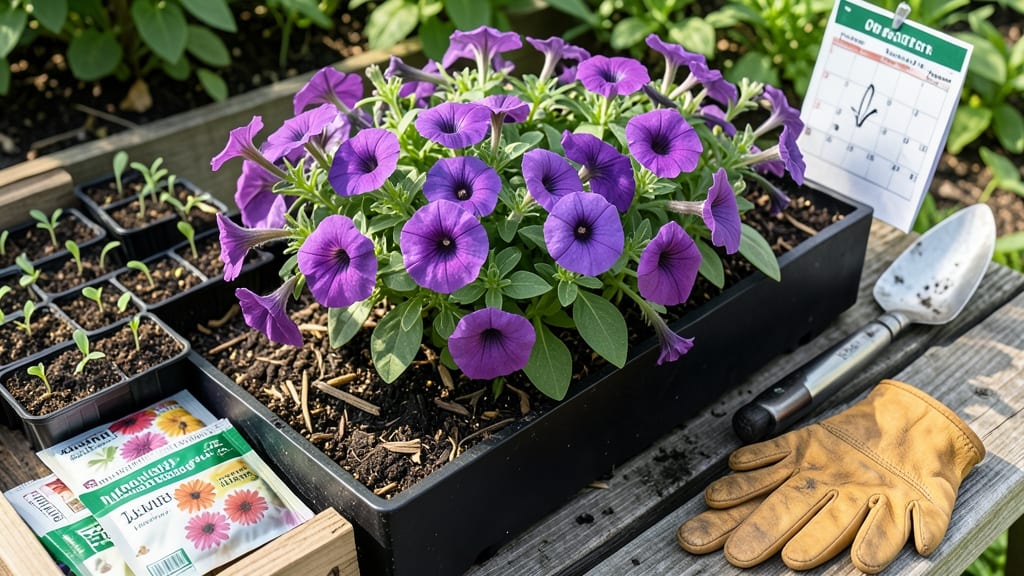
You can plant flowers in Ohio as soon as the soil warms to 60°F after the last frost—typically mid-April to early May for most of the state.
Ohio’s unpredictable springs and hot summers can make timing your flower planting tricky—but getting it right means vibrant blooms all season long. Whether you’re a first-time gardener or a seasoned grower, knowing the exact USDA zone-specific windows for planting annuals, perennials, and bulbs in Ohio is the key to success.
In USDA Zone 6a, where most of Ohio falls, early spring bulbs like tulips and daffodils should go in the ground by late March, while tender annuals like petunias and marigolds wait until late April or early May.
Meanwhile, fall-planted flowers like pansies and snapdragons thrive when seeded in late summer for a splash of color in early spring.
Below, I’ll break down the best planting dates by month, share Ohio-specific tips for soil prep and mulching, and help you avoid common mistakes—so you can enjoy a garden bursting with 🌸 from spring to fall.
Ohio’s USDA zones & best flower planting dates by month
Ohio spans USDA zones 5a through 6b, meaning frost dates and planting windows vary by region. Northern areas like Toledo (5a) face later last frosts, while southern zones like Cincinnati (6b) can plant earlier.
Understanding these differences ensures your annuals, perennials, and bulbs thrive without frost damage or stunted growth.
For all Ohio zones, soil temperature is more critical than air temperature. Most flowers need soil at at least 60°F before planting. Use a soil thermometer to check—especially in clay-heavy Ohio soils, which warm more slowly. In cooler zones, wait until mid-May for heat-loving annuals like marigolds or zinnias.
Here’s your zone-by-zone planting timeline, including frost dates, ideal soil temps, and seasonal adjustments for annuals vs. perennials. Pro tip: Perennials often tolerate earlier planting than tender annuals, which need warmer soil to prevent rot.
| Zone | Last Frost Date | First Frost Date | Spring Planting Window | Fall Planting Window | Soil Temp Requirement |
|---|---|---|---|---|---|
| 5a (Toledo, Cleveland) | May 1–15 | October 1–15 | May 15–June 1 (after soil hits 60°F) | August 15–September 15 | 60°F+ |
| 5b (Columbus, Mansfield) | April 20–May 5 | October 10–20 | April 25–May 15 | August 1–September 10 | 60°F+ |
| 6a (Dayton, Springfield) | April 10–20 | October 5–15 | April 15–May 1 | July 30–August 30 | 55°F+ |
| 6b (Cincinnati, Lexington) | March 30–April 10 | October 1–10 | March 25–April 15 | July 15–August 20 | 50°F+ |
Notes: Adjust for microclimates (e.g., urban areas warm faster). Use row covers to extend spring planting by 2–3 weeks.
For early spring bulbs like tulips or daffodils, plant in October or November—before the ground freezes. These hardy plants need 6–8 weeks of cold to bloom reliably. In zone 5a, aim for planting by November 1, while zone 6b gardeners can wait until December 1.
Summer annuals like petunias and geraniums thrive when planted after the last frost. Start heat-loving varieties (e.g., zinnias, marigolds) in late May for zone 5a or early May in zone 6b. For longer bloom seasons, succession plant every 2–3 weeks until July 4th.
Fall-planted flowers like pansies, snapdragons, and asters love cooler weather. In zone 5a, start seeds indoors by July 1
Top 5 flowers to plant in Ohio (with exact timing for maximum blooms)
Ohio’s diverse climate—from zone 5a in the north to zone 6b in the south—means your flower garden can thrive with the right timing. I’ve tested these top 5 performers over years of Ohio gardening, and they deliver bold colors and long bloom seasons when planted at the perfect moment.
Whether you’re starting seeds indoors or sowing directly, these zone-specific windows will give you the edge.
For maximum blooms, I recommend focusing on annuals for instant color and perennials for low-maintenance returns. The key is matching each flower’s cold tolerance and heat needs to Ohio’s unpredictable weather.
Let’s dive into the exact timing for each of my top picks—plus how to stretch their bloom seasons with smart planting tricks.
- Black-Eyed Susan (Rudbeckia hirta): Direct-sow outdoors after last frost (mid-April) or start seeds indoors 6-8 weeks before for earlier blooms. Thrives in full sun and drought-tolerant once established.
- Coneflower (Echinacea): Perennial powerhouse—plant spring or fall (avoid summer heat). Fall planting (September) gives roots time to establish before winter. Deadhead spent blooms to encourage second flushes.
- Petunias: Start seeds indoors 8-10 weeks before last frost (early March) or buy transplants in May. Succession plant every 2-3 weeks for continuous blooms until frost. Loves morning sun to avoid wilting.
- Marigolds: Direct-sow after soil warms (late April–early May). Heat-loving annuals that repel pests—ideal for container gardens or border edges. Pinch back first blooms for bushier growth.
- Daylilies (Hemerocallis): Plant bare-root crowns in early spring (April) or fall (September). Perennial workhorses that rebloom with proper care. Divide clumps every 3-4 years for vigor.
My personal favorite for Ohio gardens is coneflower—it’s drought-resistant, attracts pollinators, and comes back year after year. But if you want nonstop color, petunias are unbeatable when you use succession planting.
For low-maintenance beauty, black-eyed Susans and daylilies are my go-tos—they thrive in Ohio’s clay soil and handle humidity like champions.
Pro tip: Use row covers for early spring plantings to protect from late frosts (Ohio’s average last frost is April 15, but it can creep into May).
For fall-blooming varieties, like mums, start seeds indoors in July or plant transplants in August to catch the autumn color rush. Timing is everything!
To extend blooms, I deadhead spent flowers regularly and fertilize lightly every 4-6 weeks with a balanced 10-10-10 mix. For container gardens, choose compact varieties like wave petunias or dwarf coneflowers—they bloom nonstop in 5-gallon pots with proper care.
And don’t forget to mulch around perennials to retain moisture and suppress weeds.
Ohio’s short growing season means every day counts—so mark your calendar for these key dates:
- March 1–15: Start petunia and marigold seeds indoors.
- April 15: Last frost date—time to direct-sow hardy annuals.
- May 1–15: Plant transplants and succession-sow for continuous blooms.
- September 1–15: Fall planting for perennials and bulbs.