
Planting
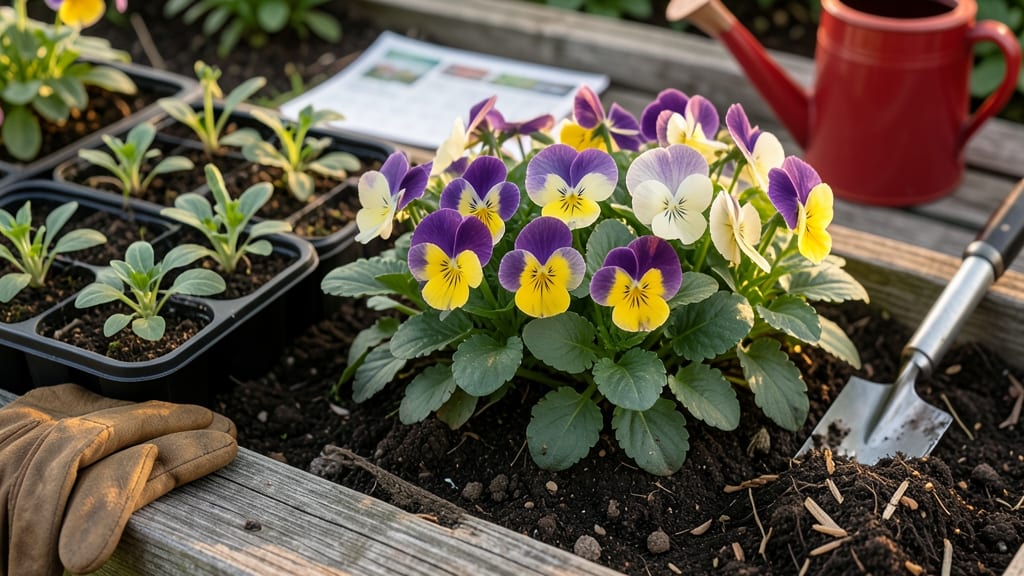
You can plant flowers outside after your last frost date — but timing it wrong means wilting blooms before they even take root.
Timing your flower planting just right can mean the difference between a vibrant garden and a sad, wilted disappointment—especially when frost still lurks in the forecast. In Zone 6a, that’s usually after April 15, but your local microclimate might shift that window by a week or two.
Whether you’re growing annuals or perennials, the key is soil temperature: aim for at least 60°F to kickstart growth. Too early, and cold soil slows roots; too late, and summer heat stresses tender seedlings.
Below, I break down the best planting times by USDA zone, plus tips for adjusting to late frosts or early heat waves so your 🌸 flowers thrive all season long.
USDA Zone frost-free dates: when to plant flowers safely
Getting your flowers in the ground at the right time ensures they thrive instead of shrivel under unexpected frost. The USDA Plant Hardiness Zone Map divides the U.S. into 11 zones based on average minimum winter temperatures, but what really matters for planting is your local frost-free date.
This date marks the last average frost in spring, signaling it's safe to plant warm-season flowers like marigolds and zinnias.
For cool-season flowers such as pansies or snapdragons, you can often plant them 4-6 weeks before the last frost. However, bulbs like tulips and daffodils should go in the ground in fall (Zones 3-7) or early spring (Zones 8-11).
The key is understanding your zone's average last frost date—not just the zone number itself.
Here’s a quick guide to help you align your planting with your USDA zone and local climate quirks:
If you’re in Zone 3 or 4, late frosts are common, so consider using a frost cloth or starting seeds indoors 6-8 weeks before your last frost date.
For Zones 5-7, most gardeners can plant cool-season flowers like calendula in early spring, while warm-season flowers like sunflowers wait until after Memorial Day.
Coastal areas in Zones 8-10 often have milder winters, but morning fog can delay planting. In these zones, you can plant annuals like petunias
How to adjust flower planting time for late frosts or early heat
Unpredictable weather can turn your carefully planned flower garden into a frost-kissed disaster or a wilting mess from early heat. Even in Zone 7b, where I garden, a late frost in May or scorching June days can derail your blooms.
The key is flexibility—adjusting your planting schedule and using protective strategies to shield delicate flowers.
First, check your local frost dates—they can vary 1-2 weeks from USDA zone averages. For example, Zone 7a might see frost until April 30, while Zone 7b could be safe by May 15.
Use tools like the National Weather Service or local garden clubs for precise data. This small adjustment can save your tender annuals like petunias or marigolds.
⚠️ callout-warning
Planting too early—even 2 weeks before the average last frost—risks frost damage to young shoots. Instead, use the "50°F soil thermometer rule": Wait until the soil stays above 50°F (10°C) for 5+ days. For heat-sensitive flowers like impatiens, delay until nighttime temps are consistently above 60°F (15°C).
Pro Tip: Harden off seedlings 1 week before transplanting by exposing them to outdoor conditions gradually. Start with 1-2 hours/day in shade, then increase sun exposure.
For late frosts, I rely on frost cloths and row covers to buy time. These lightweight fabrics raise temperatures by 5-8°F (3-4°C) and protect flowers like pansies or snapdragons until mid-May.
Secure the cloth with bricks or stakes to prevent wind damage, and remove it during the day if temps rise above 55°F (13°C) to avoid overheating.
If early heat is the concern—like in Zone 8b—prioritize shade-loving flowers such as coleus, begonias, or fuchsias. Start these 6-8 weeks before your typical planting date indoors, then transplant after the solstice (around June 21) when days shorten.
For sun-lovers like zinnias, opt for staggered planting: Sow half in May and the rest in early July to avoid bolting.
Another trick? Succession planting in weekly batches. This ensures a steady supply of blooms and spreads risk. For example, plant cosmos every 10 days from May through July. If a late frost hits, only the newest batch will suffer, while earlier plantings may already be established.
Pair this with mulch to regulate soil temperature—straw or shredded leaves keep roots cool in heat and warm in chilly snaps.
Finally, embrace zone exceptions. A Zone 7b garden near a large body of water may experience cooler microclimates, while a Zone 7a spot in a urban heat island could mimic Zone 8.
Observe your garden’s patterns for 3 years to refine your timing. And when in doubt, opt for perennials like coneflowers or black-eyed Susans—they’re tougher and rebound faster from weather surprises.