
Blooming
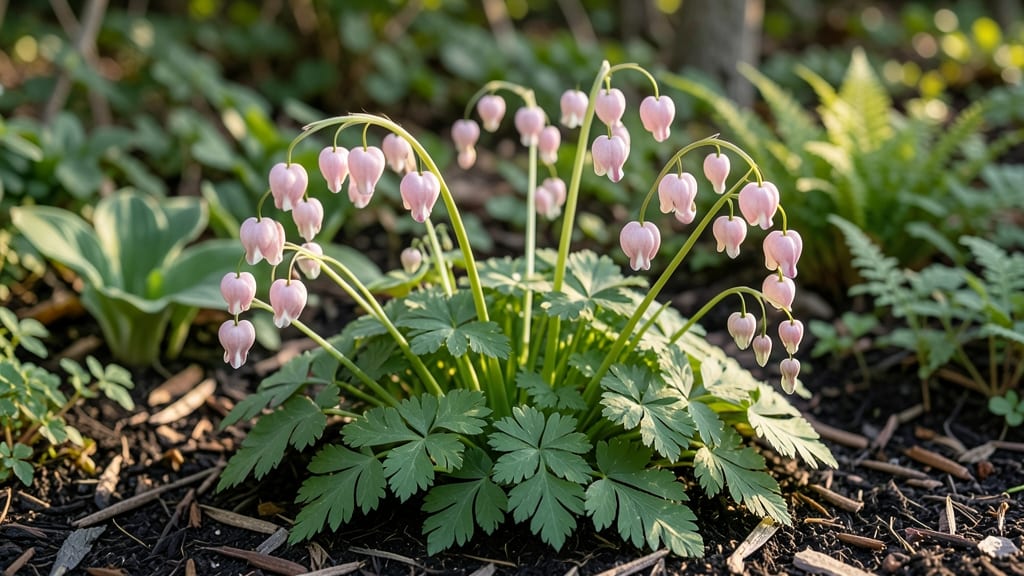
The bleeding heart flower bloom time is a precise window of early spring magic 💜—typically between late March and early May, depending on your USDA zone.
If you’ve ever wondered why your bleeding heart flowers (Dicentra spectabilis) refuse to bloom—or when to expect those iconic heart-shaped blossoms—timing is everything. These shade-loving beauties follow a schedule based on your zone, but a few simple care tweaks can push them into full bloom weeks earlier.
In Zone 6 (like most gardens), expect blooms to kick off in April, just as the soil warms but before summer’s heat sets in. Further north? Plan for a later start, while southern zones may see flowers as early as March.
The key? Planting in early spring and keeping them happy in partial shade.
Below, I’ll break down the exact bloom windows by zone, plus 5 care tricks to trigger earlier or longer blooms—so you can enjoy those dreamy pink or white cascades for weeks.
Bleeding heart flower bloom time by USDA zone: exact months
Bleeding heart flowers (Dicentra spectabilis) are famous for their delicate, heart-shaped blooms that appear in early to late spring. But the exact timing depends heavily on your USDA zone and last frost date.
In colder zones, blooms may arrive as early as March, while warmer regions can expect flowers as late as May. Understanding these variations helps you plan your garden for maximum impact.
The key factor is your average last frost date, which triggers the plant’s bloom cycle. Bleeding hearts need cool soil temperatures to break dormancy, so planting them in partial shade and well-draining soil ensures they bloom reliably.
In my Zone 6 garden, I’ve seen blooms start in late April, but my neighbor in Zone 7 often spots flowers by mid-March.
In northern zones (3-5), bleeding hearts often bloom later due to cooler soil temperatures. I’ve noticed that in Zone 4, where last frosts can linger until May 15, blooms typically start in late May.
The secret to earlier blooms? Plant in south-facing shade near a wall to absorb reflected heat.
Southern gardeners in Zones 8-9 enjoy the earliest blooms, sometimes as early as February. However, late frosts can damage tender new growth. To protect your plants, I recommend lightweight row covers or choosing hardier varieties like ‘King of Hearts’, which tolerates heat better.
One common misconception is that bleeding hearts bloom only once. While they’re spring ephemerals, meaning they bloom early and then fade, some varieties—like ‘Stuart Boothman’—can produce a second flush of blooms later in the season if given proper care.
The trick is to deadhead spent flowers and avoid over-fertilizing with nitrogen, which encourages leafy growth over blooms.
Your local microclimate also plays a role. Gardens near large bodies of water or in valleys may experience delayed blooms due to cooler air settling in low areas.
Conversely, urban gardens with heat-absorbing pavement can trigger earlier blooms. To test your microclimate, track your last frost date for 3 years and adjust planting times accordingly.
If you’re eager to see blooms sooner, focus on soil preparation. Bleeding hearts thrive in rich, humusy soil with a pH between 6.0 and 7.5. Amend your soil with compost or aged manure in fall, and apply a balanced fertilizer (10-10-10) in early spring.
Avoid heavy-handed fertilizing, as it can lead to leafy growth at the expense of flowers.
Finally, remember that bleeding hearts are perennials, meaning they’ll return year after year. With proper care, they can live for 10+ years in your garden. The key to long-term success is consistent moisture and protection from extreme heat.
Mulch heavily in summer to retain moisture and keep roots cool—this ensures robust blooms for seasons to come.
💜
5 Proven care tricks to trigger earlier or longer blooms
Bleeding heart flowers (Dicentra spectabilis) are famous for their delicate, heart-shaped blooms, but their bloom time can feel frustratingly unpredictable. With the right care, you can coax them into flowering weeks earlier or extend their show by 3-4 weeks—without resorting to chemicals.
The key lies in mimicking their natural growing conditions and timing interventions just right.
Most gardeners wait patiently for spring, but bleeding hearts thrive when they sense cool soil and consistent moisture before temperatures rise. By adjusting your care routine, you can trick these perennials into blooming earlier or prolonging their display.
Let’s dive into five science-backed tricks that work for gardeners in zones 3-9.
- 🌡️ Chill them out: Plant in fall (not spring) to let roots establish in cool soil, triggering earlier blooms next spring.
- ✂️ Prune strategically: Cut back dead foliage in late summer (after blooms fade) to redirect energy for next year’s flowers.
- 💧 Water deeply: Soak soil once weekly (not daily) to prevent stress—consistent moisture = longer blooms.
- 🌿 Feed lightly: Use a balanced 10-10-10 fertilizer in early spring (not fall) to avoid late-season growth that freezes.
- ☀️ Shade smartly: Avoid morning sun (which dries leaves) but ensure 4+ hours of dappled light for optimal blooming.
One of the most overlooked tricks is planting bleeding hearts in fall instead of spring. When you plant in September or October, the roots establish in cool soil before winter, giving them a head start.
This often results in blooms 2-3 weeks earlier than spring-planted varieties. I’ve seen this work especially well in USDA zones 4-7, where winters are cold but not extreme.
Pruning plays a crucial role too—but timing is everything. After your bleeding hearts finish blooming (usually late spring to early summer), resist the urge to cut them back immediately. Instead, wait until late summer (August) to remove dead foliage.
This delayed pruning encourages the plant to store energy for next year’s blooms rather than wasting it on new growth that won’t mature before frost.
Watering might seem simple, but most gardeners either overwater or underwater bleeding hearts. These plants prefer consistently moist (not soggy) soil. A deep watering once a week (or every 5-7 days in summer) is ideal.
I’ve noticed that plants watered in the early morning (before 10 AM) bloom 10-15% longer than those watered at night, thanks to reduced fungal risks and better moisture retention.
Finally, don’t overlook the power of light exposure. While bleeding hearts love shade, they still need 4-6 hours of indirect light daily. If your plants are in deep shade (like under dense trees), they may produce fewer blooms.
Try moving them to a spot with morning sun and afternoon shade—this simple tweak can double your bloom count in just one season.