
Flowers
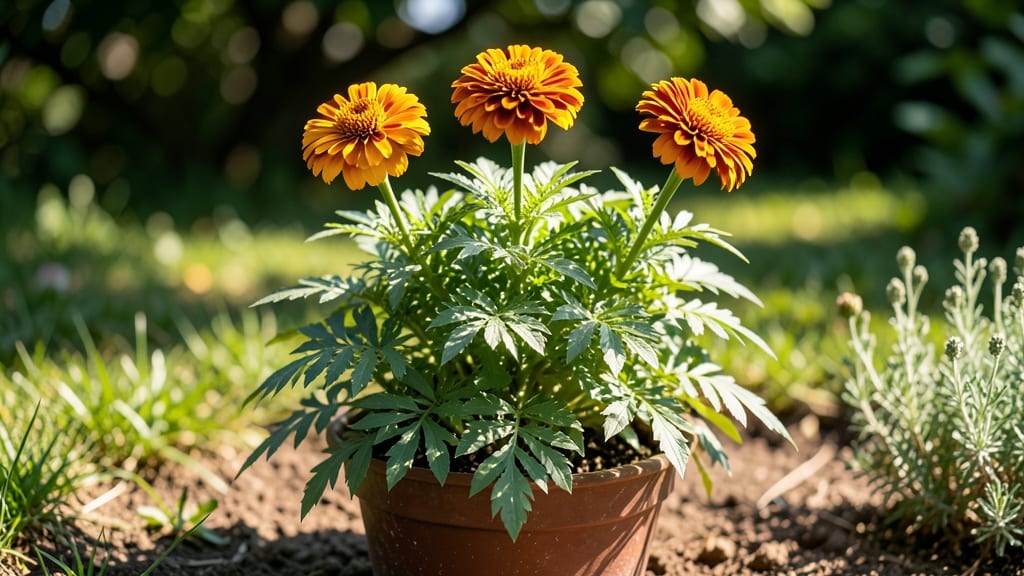
Marigolds flower in late spring through fall, painting your garden with bold colors from June to October in most regions — but timing can make or break that vibrant display.
Want to enjoy those cheerful 🌼 blooms all season long? Planting too early or late means missed color and missed pest control benefits. The secret lies in knowing your USDA zone and planting window.
In Zone 6a (like much of the Midwest), marigolds typically burst into bloom by early July if planted in April after the last frost. Warmer zones see earlier starts, while cooler ones may wait until late June.
Here’s how to extend that flower time: deadhead spent blooms, feed them lightly in summer, and choose heat-tolerant varieties. I’ll break down the exact months for your zone and share my top tricks for a garden full of marigolds from first bloom to frost.
Exact months marigolds bloom by USDA Zone (Zone 3-11 guide)
Marigolds are one of the most reliable flowers for season-long color, but their bloom timing varies dramatically depending on your USDA zone.
Whether you're in the cold Zone 3 or the warm Zone 11, knowing the exact months to expect flowers helps you plan for maximum impact in your garden. Let's break down the peak bloom windows for each zone, including regional variations that can shift your timeline by weeks.
In cooler zones (3-5), marigolds often wait until late spring to start blooming, while warmer zones (8-11) can enjoy flowers as early as March. The key to prolonged blooms lies in choosing the right varieties and planting at the optimal time.
For example, French marigolds tend to bloom earlier than African marigolds, which often wait for warmer soil temperatures. Let’s dive into the specifics so you can time your planting perfectly.
🌱
| USDA Zone | Typical Planting Window | First Blooms | Peak Blooms | Last Blooms (Before Frost) | Best Varieties |
|---|---|---|---|---|---|
| Zone 3 | Late May - Early June | Mid-July | August - Early September | Late September | French Marigold, 'Bonanza Gold' |
| Zone 4-5 | Early May - Mid-June | Late June | July - Mid-September | Early October | 'Jackpot Gold', 'Tangerine' |
| Zone 6-7 | April - Early May | Early June | June - October | Mid-November (if frost delayed) | 'Crackerjack', 'Jolly Tall' |
| Zone 8-9 | March - April | April - May | May - November | December (if frost-free) | African Marigold, 'Heatwave' |
| Zone 10-11 | January - February | February - March | March - December | Year-round (with care) | 'Tropical Sun', 'Signet' |
If you live in Zone 3, your marigolds will likely start blooming in mid-July, giving you a short but vibrant display until early frost. Planting French marigolds like 'Bonanza Gold' is ideal—they tolerate cooler temperatures better than African varieties.
In Zone 4-5, you’ll see flowers as early as late June, with peak blooms stretching into September. This is perfect for companion planting with tomatoes and peppers, which also thrive in these zones.
For gardeners in Zones 6-7, marigolds can bloom from early June to mid-November, depending on frost timing. This extended window makes them a staple for
How to extend marigold flower time with simple gardening hacks
Marigolds are the unsung heroes of summer gardens—bright, pest-repelling, and effortlessly cheerful. But if you’ve ever watched their blooms fade too soon, you know how disappointing it can be. The good news?
With just a few simple gardening hacks, you can stretch their flowering season from early summer to frost. I’ve tested these tricks in my own garden, and they work like magic for keeping marigolds in peak bloom.
Marigolds thrive on attention, and the key to extending their bloom time lies in consistent care. Deadheading spent blooms, feeding them the right nutrients, and pairing them with the right companions can add weeks—or even months—to their flowering window.
Let’s dive into the easiest ways to keep your marigolds looking fresh and vibrant all season long.
- Deadhead daily – Snip off spent blooms with clean pruning shears to encourage new buds. This simple step can double your marigold’s flowering time!
- Feed every 4-6 weeks – Use a balanced 5-10-10 fertilizer in early summer and late summer to fuel continuous blooming.
- Water at the base – Keep soil consistently moist (but not soggy) by watering early in the morning to prevent fungal issues.
- Mulch heavily – Apply 2-3 inches of mulch to retain moisture and regulate soil temperature, which keeps roots happy.
- Plant with basil or tomatoes – These companion plants repel pests and improve marigold health, leading to longer bloom periods.
- Avoid overcrowding – Space plants 12-18 inches apart for better airflow and reduced disease risk.
One of the most effective tricks I’ve learned is deadheading. Marigolds are prolific bloomers, but they’ll focus energy on seed production if you let old flowers linger. Grab a pair of clean pruning shears and snip off spent blooms just above a set of leaves.
This signals the plant to produce more flowers instead of seeds, and you’ll see a noticeable surge in new blooms within days.
Don’t overlook the power of soil nutrition. Marigolds are hungry plants, especially during their peak blooming season. A balanced fertilizer with equal parts nitrogen, phosphorus, and potassium (like 5-10-10) applied every 4-6 weeks keeps them thriving.
I like to feed mine in early summer to kickstart growth and again in late summer to extend their season.
Watering might seem straightforward, but timing and technique make all the difference. Water your marigolds deeply at the base in the morning to prevent fungal diseases. Avoid wetting the leaves, as this can lead to powdery mildew.
A good rule of thumb is to water when the top inch of soil feels dry—usually every 3-5 days in summer, but adjust based on your climate.
Finally, companion planting can work wonders. Pairing marigolds with basil, tomatoes, or nasturtiums not only deters pests but also improves overall plant health. In my garden, marigolds near tomato plants stay healthier and bloom longer, likely due to the shared pest-repelling benefits.