
Flowers
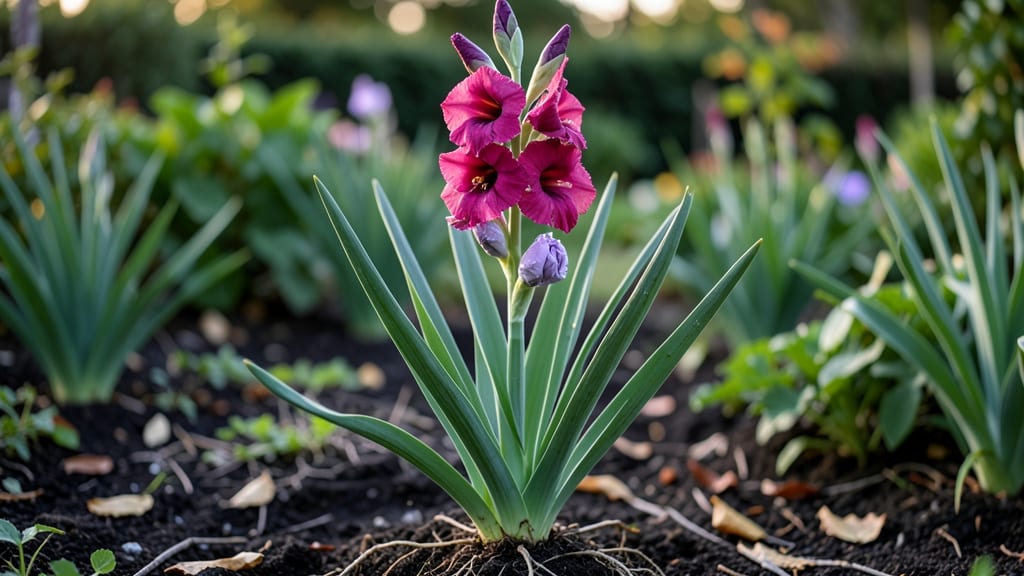
The gladiolus flower bloom time you’ve been waiting for arrives between July and September in most of the U.S., but getting those vibrant spikes to show up on schedule is all about planting strategy.
If you’ve ever wondered why your gladiolus blooms arrive late—or why some varieties never seem to flower at all—the answer lies in their precise bloom windows and hardiness zones.
In USDA Zone 6a (like much of the Midwest), planting gladiolus corms in April or May after the last frost ensures blooms by midsummer, but warmer zones like the South can push that window even earlier.
Below, I’ll walk you through the exact months to plant for peak color, how climate affects timing, and simple tricks to stretch your blooms from early July through frost.
Gladiolus bloom time by month: when to expect stunning flowers
Gladiolus flowers are summer’s showstoppers, but their bloom time varies dramatically depending on your US region and the variety you choose.
Most gardeners in the Northern US see blooms from late June to September, while Southern gardeners often enjoy flowers as early as May and as late as October. Understanding these windows helps you plan for a continuous display of vibrant spikes in your garden.
Early bloomers like 'Early Furore' or 'Green Star' kick off the season in June, while late varieties such as 'Dixie Friendship' or 'White Prosperity' extend color into September. Staggered plantings every 2-3 weeks in spring can give you blooms for 8+ weeks—a gardener’s dream!
The key is matching your planting time to your local frost dates and soil temperatures.
| Month | Northern US (Zones 3-6) | Southern US (Zones 7-11) | Best Varieties |
|---|---|---|---|
| June | Early bloomers (late June) | Early bloomers (May-June) | 'Early Furore', 'Green Star' |
| July | Peak bloom (mid-July) | Main season (June-July) | 'Picasso', 'Black Star' |
| August | Late bloomers (late August) | Extended season (July-August) | 'Dixie Friendship', 'White Prosperity' |
| September | Late varieties (early September) | Late bloomers (September-October) | 'Symphony', 'Attraction' |
In Northern climates, gladiolus corms need warm soil (at least 60°F) to sprout, which typically happens after May 15.
If you plant too early, cold soil can stunt growth or cause rot. Southern gardeners, on the other hand, can start as early as March in Zone 8+, thanks to milder winters.
The trick is to plant when your soil is consistently above 55°F—use a soil thermometer to check!
Your USDA zone also dictates how long your gladiolus will bloom. In Zones 3-5, expect a 6-8 week window, while Zones 7-11 can stretch blooms to 10+ weeks.
For example, in Zone 5, plant in late May for July-August blooms, but in Zone 9, you can plant in February and enjoy flowers through September.
To extend your bloom time, try staggered plantings every 2 weeks in spring. For instance, plant one batch in early May, another in mid-May, and a final batch in late May.
This ensures a continuous display from June through September. Just be sure to space your plantings 3-4 feet apart to avoid overcrowding as the plants mature.
Light exposure plays a huge role in bloom timing. Gladiolus thrive in full sun (6+ hours daily), but if your garden gets partial shade, blooms may arrive 2-3 weeks later and produce fewer spikes.
In shadier climates, opt for early blooming varieties like 'Green Star' or 'Attraction', which tolerate slightly less light better than late varieties.
Watering habits also impact bloom time. During active growth (spring to early summer), keep soil consistently moist but never soggy. Overwatering can delay blooming, while underwatering causes buds to dry out before opening.
Aim for 1 inch of water per week, adjusting for rain. Once buds form, reduce water slightly to encourage stronger stems and longer-lasting blooms.
If your gladiolus aren’t blooming on schedule, check for nutrient deficiencies. A balanced fertilizer (10-10-10) applied at planting and again when spikes emerge can boost flower production. Avoid high-nitrogen fertilizers, which promote leafy growth over blooms. Instead, use a phosphorus-rich fertilizer to encourage flowering.
Finally, remember that late summer heat can stress gladiolus, causing blooms to fade faster. To combat this, mulch around plants with straw or shredded leaves to retain moisture and regulate soil temperature.
In hot climates, consider planting heat-tolerant varieties like 'Black Star' or 'Picasso', which handle summer heat better than delicate whites or pinks.
USDA zones for gladiolus success: where and when to plant for optimal blooms
Gladiolus thrives in USDA zones 3 through 11, but their bloom timing shifts dramatically depending on where you live. In colder zones (3–6), plant corms in early spring (April–May) after the last frost to ensure blooms arrive by mid-to-late summer.
Meanwhile, gardeners in warmer zones (7–11) can plant as early as February–March for flowers as early as June. The key is aligning planting with your frost-free period—gladiolus corms cannot tolerate freezing.
Your local climate dictates more than just timing—it affects soil warmth and daylight exposure, both critical for triggering blooms. In Zone 5 or colder, for example, corms need 60–70°F soil to sprout, while Zone 9+ gardeners can plant earlier when soil warms faster.
Even a 10°F temperature drop can halt growth, so timing is everything.
Comparison Table: Gladiolus Planting & Bloom Windows by USDA Zone
In northern zones (3–6), I’ve found that staggered plantings every 2 weeks can extend blooms from July to September. For example, planting one batch in early May yields flowers in July, while a second batch in mid-May blooms in August.
This trick works because gladiolus requires consistent warmth to transition from foliage to flower.
For southern zones (8–11), the challenge shifts to heat stress. Gladiolus corms prefer daytime temps below 85°F—any hotter, and blooms may bolt prematurely or fail entirely. To combat this, I plant in early spring (February) and provide afternoon shade with lightweight row covers.
Dwarf varieties like 'Pyramid' or 'Nanus' also handle heat better than standard types.
One common mistake is planting too early in cool zones or too late in warm zones. In Zone 5, for instance, planting in March risks frost damage to emerging shoots, while in Zone 10, planting in April may cause corms to overheat before blooming.
Always check your local frost dates and adjust accordingly—your gladiolus’ success hinges on it.
Pro tip: Use a soil thermometer to confirm 55–60°F soil temps before planting. This small step ensures uniform germination and predictable bloom times, no matter your zone.
With the right timing, your gladiolus will reward you with bold, vibrant blooms for weeks—just in time for summer’s peak gardening season! 🌸