
Flowers
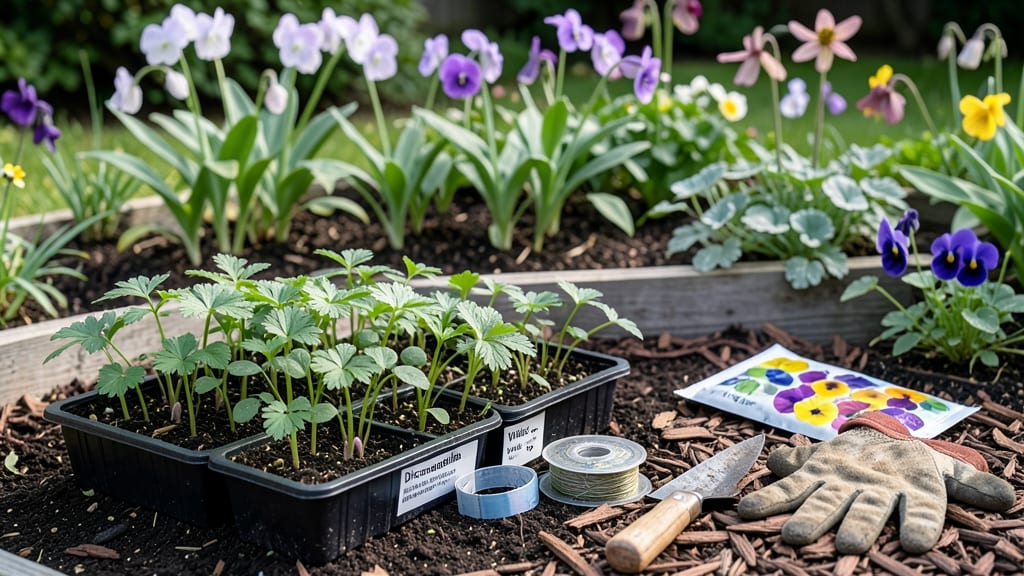
The Zone 6a planting schedule for flowers is your roadmap to a garden bursting with color—if you nail the timing. One wrong move, and those delicate blooms 🌸 could meet an early, frosty fate.
Picture this: You’ve spent weeks dreaming of a cottage garden overflowing with peonies and coneflowers, only to watch them shrivel under a late spring frost. Or worse, planting too early and having your seeds rot in cold, soggy soil.
The difference between a thriving garden and a sad, half-dead mess often comes down to knowing exactly when to plant—and that’s where this schedule saves the day.
Zone 6a’s unpredictable swings—from frost in April to scorching summers—demand precision. Whether you’re sowing hardy tulips in early spring or heat-loving zinnias in late summer, the right timing ensures your flowers not only survive but thrive year after year. No more guesswork, no more wasted seeds or wilting disappointment.
Below, I’ll walk you through the exact months to plant everything from bulbs to perennials, plus the critical adjustments for your specific microclimate. Ready to turn your garden into a blooming masterpiece? Let’s get started.

Zone 6A flower planting calendar: month-by-month survival guide for cold-hardy species
Timing your flower plantings in Zone 6A can feel like walking a tightrope—one wrong move and your blooms never materialize. The key? Understanding your last frost date (around April 15) and adjusting for soil temperatures that must reach 60°F before planting.
I’ve broken this down into a month-by-month survival guide so you can avoid frozen roots or wilting heat stress.
Zone 6A’s 165 frost-free days create a unique window for both cool-season flowers (like pansies and snapdragons) and heat-loving annuals (zinnias and marigolds). The trick is knowing when to start seeds indoors, transplant tender species, and tuck in hardy perennials.
Let’s dive into the exact schedule that’ll turn your garden into a year-round paradise.
Your Zone 6A garden thrives on this rhythm of spring sowing and <
5 Critical mistakes that ruin Zone 6A flower planting (and how to avoid them)
Zone 6A gardeners face unique challenges—unpredictable spring frosts and summer heatwaves can turn your flower planting dreams into wilting disappointments. Even experienced growers make timing mistakes that stunt growth or invite pests. The key? Understanding local microclimates and adjusting your planting schedule accordingly.
I’ve learned the hard way that skipping soil prep or choosing non-hardy varieties can mean the difference between a lush summer border and a bare patch. Let’s dive into the top 5 mistakes and how to sidestep them—so your Zone 6A flowers thrive from spring to fall.
Mistake: Rushing spring planting before the last frost date (typically April 15) or waiting too long in fall (after September 15). Cool-season flowers like pansies can survive light frosts, but tender annuals like marigolds will bolt.
Fix: Use row covers for early sowings (e.g., March 15) and stagger plantings every 2 weeks to extend the season. Check your local frost-free dates—they vary even within Zone 6A!
Another costly error is ignoring soil preparation. Zone 6A’s clay-heavy soils can suffocate roots if not amended with compost or organic matter. I once planted daylilies in untouched soil—only to watch them struggle for years. Test your soil’s pH (aim for 6.0–7.0) and drainage before digging.
Choosing non-hardy varieties is a common blunder. While zinnias and cosmos love Zone 6A’s heat, tropical flowers like hibiscus or bougainvillea will fizzle out in winter. Stick to native perennials (e.g., cone flowers, black-eyed Susans) and cool-season annuals (e.g., snapdragons, pansies) for year-round color.
Overcrowding is another silent killer. I’ve seen delphiniums and hollyhocks compete for space, leading to stunted growth and pest infestations. Always follow plant spacing guidelines—check the tag for mature size and give roots room to breathe.
A 3-foot spacing for sunflowers might seem excessive, but it prevents disease spread.
Finally, neglecting mulch in Zone 6A’s hot summers or freezing winters is a game-changer. A 3-inch layer of straw or wood chips retains moisture, regulates soil temp, and suppresses weeds.
Without it, your watering efforts go to waste, and root systems suffer. Mulch is your secret weapon for low-maintenance blooms.
By avoiding these 5 pitfalls, your Zone 6A flower garden will survive—and thrive—through unpredictable weather. Start with soil prep, timing adjustments, and hardy varieties, and you’ll enjoy vibrant blooms from spring to frost.