
Blooming
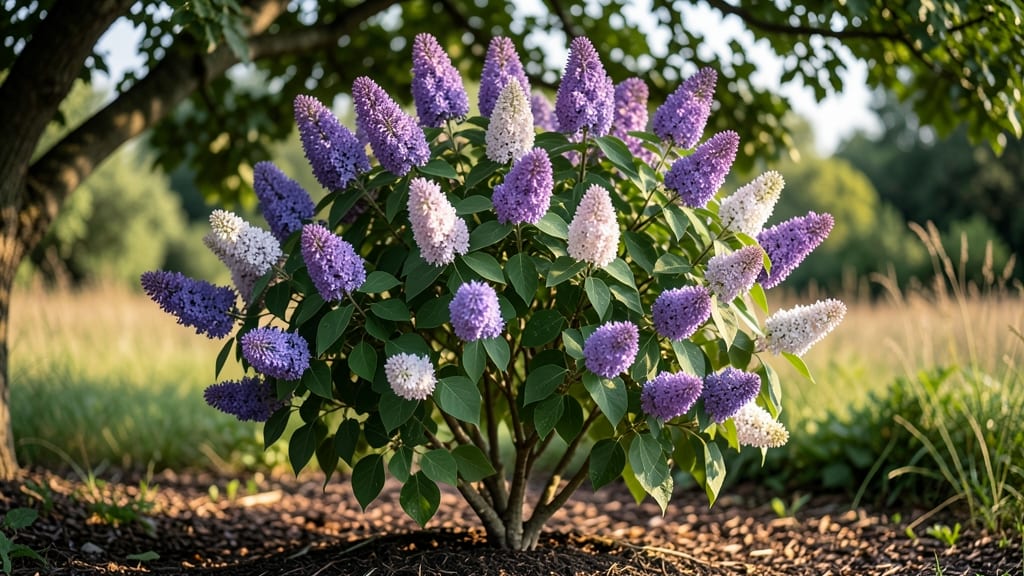
Lilacs flower in late spring 🌸, but the exact timing depends on your USDA zone and the variety you’ve planted.
If you’ve ever wondered why your lilacs bloom earlier (or later) than your neighbor’s, the answer lies in your USDA zone—and knowing these exact flowering windows can help you plan your garden for maximum fragrance and beauty.
In zone 6a, where lilacs thrive, blooms typically arrive between mid-April and early May, but cooler zones like 3-5 may see flowers as late as June. Warmer zones (7-9) often enjoy earlier blooms, sometimes as soon as March.
Below, I’ll break down the precise months for each zone, share pruning secrets to extend your blooming season, and recommend the best varieties for your climate—so you can enjoy longer, more vibrant lilac displays every year.
Lilac flowering time by USDA zone: exact months for peak blooms
Timing your garden visits to catch lilac blooms at their peak means understanding how USDA zones influence flowering schedules. Lilacs typically bloom in late spring, but the exact months vary dramatically depending on where you live—from April in Zone 3 to June in Zone 9.
These differences aren’t just about climate; they’re also shaped by early, mid, and late-blooming varieties that thrive in specific regions.
For gardeners in northern zones (3-5), lilacs often burst into color by mid-April, while those in southern zones (7-9) may not see blooms until late May or early June.
Even within a single zone, microclimates can shift flowering by weeks. For example, a coastal Zone 7 might bloom earlier than an inland one due to milder temperatures.
If you’re in Zone 3 or 4, plan to enjoy your lilac blooms between mid-April and early May. Varieties like 'Neglecta' and 'Katherine Havemeyer' are classic choices, with 'Neglecta' often blooming first.
In these colder zones, late frosts can delay blooming, so choose hardy varieties that tolerate temperature swings.
Gardeners in Zones 5-6 have the longest flowering window, from late April to early June. This range allows you to mix early bloomers like 'Mme. Lemoine' with late varieties such as 'Miss Alice Hobbs' to extend your fragrant display.
In these zones, pruning timing becomes critical—prune right after blooms fade to encourage next year’s flowers.
For those in Zones 7-8, lilacs typically bloom from May to June, with some late varieties like 'Mont Blanc' stretching into early July.
The warmer climate can make lilacs more susceptible to bud blast (a fungal issue), so ensure your plants have good air circulation and avoid overhead watering during bloom time.
In Zone 9, lilacs may not bloom until late May or June, and some varieties like 'Armand de Villedieu' can even flower into July.
These zones benefit from late-blooming varieties that thrive in heat. However, summer heat can reduce bloom quality, so provide afternoon shade and consistent moisture during dry spells.
Regional variations also play a role. For example, Pacific Northwest gardens in Zone 7 might see lilacs bloom in late April due to cooler summers, while Southern California gardens in the same zone could expect blooms in June.
Always check local microclimate conditions—urban areas with heat islands may bloom later than rural spots.
To maximize your lilac blooms, plant a mix of early, mid, and late varieties within your zone. This staggered approach ensures continuous color from April to July, depending on your location. Pair fragrant lilacs with complementary plants like peonies or roses to create a show-stopping spring display.
Pro tip: Mark your lilac’s first bloom date each year. Over time, you’ll notice patterns—like how warmer winters can push blooms earlier or how drought stress might delay them. Adjust your planting and care routines based on these observations to keep your lilacs thriving for decades.
How to extend lilac blooming season with pruning and care
Want your lilacs to burst into fragrant blooms for weeks instead of just a few days? The secret lies in strategic pruning timing and consistent care. Lilacs naturally bloom on old wood, meaning last year’s growth holds next year’s flowers.
By following these steps, you can double or triple your blooming season with minimal effort.
First, understand that late spring pruning is critical—never cut back lilacs in fall or winter, as this removes next year’s flower buds. Instead, wait until right after blooming (typically June in most USDA zones) to shape your shrubs.
This timing ensures you preserve next season’s potential while keeping your plants healthy and vigorous.
Step-by-Step Guide to Extend Lilac Blooming Season
- Step 1: Prune Immediately After Blooming
Use clean, sharp pruning shears to remove dead or crossing branches. Cut just above a bud or leaf node at a 45-degree angle for faster healing.
- Step 2: Apply Balanced Fertilizer in Early Spring
Spread 10-10-10 fertilizer (½ cup per shrub) around the base in March or April when buds begin to swell. Water thoroughly to activate nutrients.
- Step 3: Water Deeply During Bud Formation
Increase watering to 2 gallons per week when you see buds forming. Morning watering prevents fungal diseases and encourages root growth.
- Step 4: Mulch with Organic Material
Apply 2-3 inches of mulch (wood chips or straw) in late spring to retain moisture and suppress weeds. Keep mulch 3 inches away from the trunk.
- Step 5: Avoid Heavy Pruning for 3+ Years
Young lilacs (under 3 years) need minimal pruning. Over-pruning removes flower buds, shortening the blooming window. Focus on shaping mature shrubs only.
Don’t forget that sunlight exposure directly impacts blooming time. Lilacs thrive in full sun (6+ hours daily), so if your shrubs are in partial shade, consider transplanting to a sunnier spot. Even an extra 2 hours of sunlight can push blooming forward by 1-2 weeks.
For late-season bloomers, try planting ‘Dwarf Korean’ lilacs, which often flower 2-3 weeks later than common varieties. Pairing early, mid, and late bloomers in your garden creates a continuous fragrance show from May through June.
With these simple adjustments, your lilacs will reward you with longer, more abundant blooms year after year—no fancy tricks required! 🌸