
Flowers
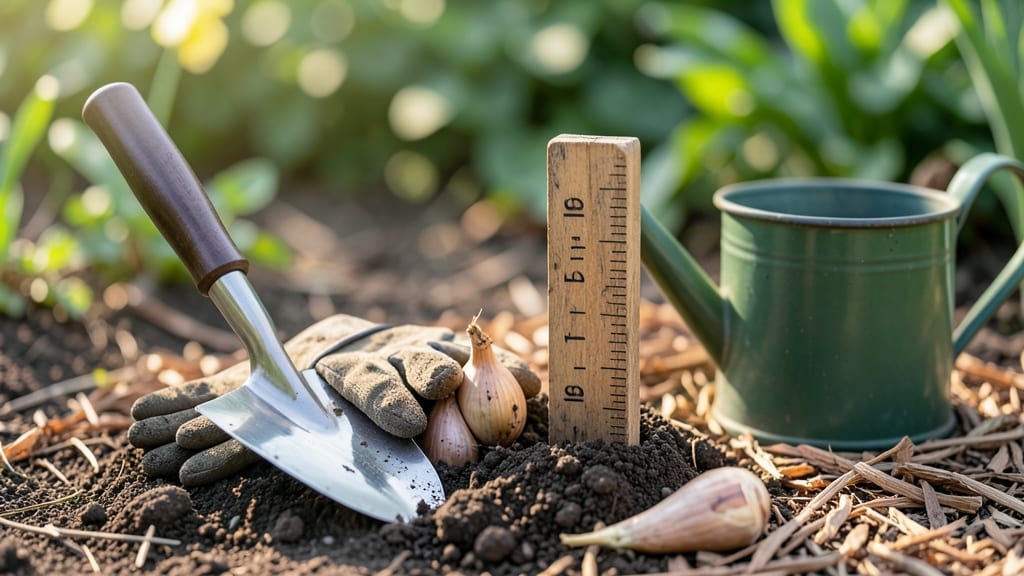
Planting flower bulbs in the spring is all about timing—wait too long, and you risk missing the vibrant blooms you’ve been dreaming of.
Timing is everything when it comes to flower bulbs 🌷, especially in USDA Zone 6a where frost can still linger into April. Get it wrong, and you might end up with weak stems or no blooms at all.
But with the right approach, you can ensure your garden bursts into color just as the weather warms.
Most flower bulbs, like tulips and daffodils, thrive when planted in early spring—typically 4-6 weeks before your last frost date. This window gives them enough time to root before the heat of summer arrives.
For Zone 6a, that usually means late March to early April, but always check your local frost dates to be safe.
In this guide, I’ll break down the best planting times, how to prep your soil, and which bulbs to choose for a show-stopping spring display. Ready to transform your garden into a blooming paradise?
USDA Zone planting calendar for flower bulbs in spring
Spring is the perfect time to plant flower bulbs, but the exact timing depends on your USDA zone. Planting too early risks frost damage, while waiting too long means competing with weeds.
I’ve broken down the ideal planting windows for zones 3 through 10, so you can enjoy tulips, daffodils, and hyacinths at their best.
Most flower bulbs thrive when planted in early spring, typically 4-6 weeks before your last expected frost date. However, cooler zones (3-5) often see earlier frost returns, while warmer zones (8-10) can extend planting into late spring. Always check your local frost dates to avoid surprises.
Soil temperature is another critical factor. Bulbs like tulips and daffodils prefer soil between 40°F and 50°F at planting time. In warmer zones, this might mean waiting until late March or April, while in colder zones, February or early March could work if the ground isn’t frozen.
Here’s a quick reference for planting times by zone, including adjustments for early, mid, and late spring:
| USDA Zone | Early Spring | Mid Spring | Late Spring | Key Bulbs |
|---|---|---|---|---|
| 3-4 | Late February - Early March | Mid-March | Early April | Tulips, Daffodils, Crocuses |
| 5-6 | Early March | Mid-March - Early April | Late April | Hyacinths, Alliums, Snowdrops |
| 7-8 | Mid-March | Late March - Early April | Mid-April | Daffodils, Tulips, Iris |
| 9-10 | Late March | Early April | Late April - Early May | Lilies, Hyacinths, Gladiolus |
In USDA zones 3-4, where winters are harsh, aim for planting in late February or early March.
This gives bulbs enough time to establish roots before the ground freezes again. Tulips and crocuses are particularly hardy and can handle early planting, while daffodils often bloom earlier, making them a great choice for cooler climates.
For zones 5-7, mid-March to early April is ideal. These zones often experience more variable weather, so keep an eye on frost predictions. If you’re in a microclimate with later frosts (like a valley or low-lying area), wait until late April to plant tender bulbs like hyacinths.
Warmer zones (8-10) can plant later, but don’t wait too long. By late April or early May, weeds may start competing for nutrients. Lilies and gladiolus thrive in these zones and can handle the extended planting window, but always plant them before the soil gets too hot.
Pro tip: Use a soil thermometer to check temperatures. Bulbs like tulips need soil around 45°F, while daffodils can tolerate slightly warmer soil. If your soil is still too cold, wait a week or two before planting.
Once you’ve planted, mulch with 2-3 inches of organic matter to insulate the soil and protect bulbs from temperature swings. This is especially important in zones 3-6, where late frosts can still occur in spring.
Timing your plantings right ensures your flower bulbs will burst into color come spring. Whether you’re in a cold zone or a warm one, following this USDA zone calendar will help you avoid common pitfalls and enjoy a garden full of vibrant blooms.
How to adjust planting times for late frosts and climate variations
Late frosts can throw off even the most careful gardener's plans. In Zone 6a, where I garden, we often see frost lingering until mid-April—sometimes even later. If you plant your tulips or daffodils too early, those tender shoots can get nipped by surprise frost.
But if you wait too long, your bulbs might not establish strong roots before summer heat arrives.
Every region has its quirks—like the Pacific Northwest, where cool, damp springs delay soil warming, or the Midwest, where sudden cold snaps can catch gardeners off guard. The key is flexibility: knowing when to plant and how to protect your bulbs when Mother Nature throws curveballs.
That's where soil thermometers and local frost date averages become your best friends. I always check my soil temperature—most flower bulbs need it to stay above 50°F (10°C) for consistent growth.
If your area has unpredictable weather, like my Zone 6a, consider using a frost cloth or row covers to give your plants a fighting chance.
⚠️ callout warning ⚠️
Don't wait until April 15th to plant—even if frost dates say "safe." Many gardeners in Zones 5-7 have lost entire bulb beds to late frosts. For tender varieties like hyacinths, wait until soil is consistently 55°F (13°C)—use a thermometer!
🌱 Pro Tip: In Zone 6a, I plant daffodils first (they're hardier) followed by tulips 2 weeks later. This staggered approach ensures some blooms if frost strikes.
Mulching is another game-changer for extending planting windows. A 3-inch layer of straw or shredded leaves insulates soil and keeps it warmer longer. I've found that mulched beds stay 5-10°F warmer than bare soil, which can mean the difference between strong blooms and weak stems.
Just avoid piling mulch directly against bulb stems—keep it 2 inches away to prevent rot.
For gardeners in cooler climates, like the Pacific Northwest, focus on early-blooming bulbs like crocuses and snowdrops. These hardy varieties tolerate cooler soils and often bloom before frost becomes a concern.
In warmer regions, such as Zone 8+, you might push planting into late spring—just monitor soil moisture closely to prevent drought stress.
Finally, don't underestimate the power of container gardening for late adjustments. Potted bulbs can be moved to sheltered spots if frost threatens, giving you more control. I keep a few tender bulbs in containers near my patio—ready to shift indoors if temperatures drop unexpectedly.
With these strategies, you can turn climate challenges into opportunities for stunning, reliable blooms every spring.