
Flowers
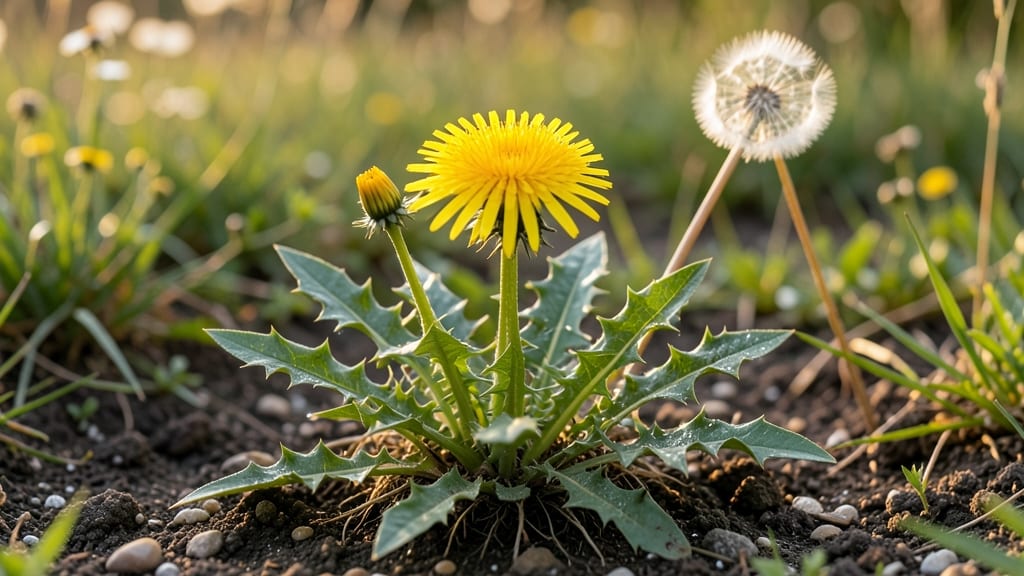
Dandelions flower in early spring and often again in fall, with blooms appearing as soon as the ground thaws in March and lasting through June.
Picture this: one sunny morning, you glance outside and your lawn is suddenly dotted with bright yellow 🌼 dandelions, as if overnight they’ve claimed the yard. That’s no accident—these resilient plants follow a precise schedule based on your climate zone.
Understanding when dandelions flower isn’t just about admiring their cheerful faces; it’s the key to managing them in your garden. Too early, and they’ll spread before you can react. Too late, and you might miss their early spring beauty—or the chance to harvest seeds for natural remedies.
In this guide, I’ll break down the exact months dandelions bloom in your USDA Zone, why they flower earlier than most plants, and how to use that knowledge to control them—or even cultivate them intentionally.
Exact dandelion flowering months by USDA Zone (with visual timeline)
Dandelions are nature's early bloomers, often popping up when most gardens are still dormant. Their flowering schedule varies dramatically by USDA zone, with Zone 3 seeing blooms as early as late April while Zone 10 may enjoy them year-round.
Understanding these patterns helps you time weed control, seed harvesting, or even intentional cultivation for pollinators.
Temperature plays the biggest role in dandelion flowering. These hardy perennials thrive when soil temperatures reach 40°F—earlier in warmer zones and later in colder climates. Day length also triggers blooming, with most varieties responding to increasing daylight in spring.
The result? A 6-week window difference between northern and southern US gardens.
Here's the key insight: Dandelions flower twice yearly in most zones—once in early spring and again in fall. The timing shifts by 2-4 weeks depending on your zone, with northern gardens experiencing more pronounced seasonal changes.
Let's break down exactly when to expect those cheerful yellow blooms in your area.
🌼
Notice how Zone 3 gardens get their first blooms nearly 6 weeks later than Zone 10? This dramatic shift happens because dandelions are cold-hardy perennials that detect seasonal changes through soil temperature rather than air temperature.
In colder zones, they wait until the ground warms sufficiently to support root growth and flowering.
For gardeners in Zones 7-10, fall blooming can extend into November or December, especially in microclimates with mild winters. These late-season flowers provide crucial nectar for pollinators when few other options remain.
If you're harvesting dandelion seeds for crafts or bird feeders, aim for late May to early June in northern zones or September to October in southern areas.
Temperature fluctuations can also create early vs. late bloomers within the same yard. A warmer-than-average spring might trigger blooms in March when you'd normally expect them in April. Conversely, a cool summer can delay fall blooming until late October.
Pay attention to your local first frost dates—dandelions will often bloom right up until frost kills the foliage.
Pro tip: If you're trying to suppress dandelions, time your pre-emergent herbicide for late winter (just before blooms appear) or early fall (when second flush begins). For organic control, mow when 10-15% of plants show buds—this prevents seed production while still allowing some flowers for pollinators.
🌱
Remember that these are average timelines. Your specific location's microclimate, elevation, and soil type can shift blooming by 1-3 weeks. For precise local predictions, track when the first 5-10 dandelions in your yard bloom each year—this creates a custom timeline
Why dandelions bloom earlier than most plants (and how to use this knowledge)
Dandelions are nature's early bloomers, often popping up in late winter or early spring when most plants are still dormant. This isn't just luck—it's a survival strategy honed over centuries.
Their ability to flower before frost or extreme heat makes them one of the first signs that spring is arriving. For gardeners, understanding this timing can mean the difference between enjoying their beauty or battling an unwanted weed takeover.
These resilient plants thrive in cold temperatures and poor soil conditions, which explains why they often outpace other flowers. Their perennial life cycle allows them to store energy underground during winter, giving them a head start when warmer weather arrives.
This early bloom isn't just about aesthetics—it's a clever way to ensure dandelions can spread their seeds before competing plants steal the spotlight.
Why Dandelions Bloom Early
- 1. Cold Tolerance: They survive sub-freezing temps and bloom when soil reaches 40°F (4°C).
- 2. Perennial Roots: Deep taproots store energy for 2+ years, fueling early growth.
- 3. Seed Dispersal: Early blooms ensure seeds spread before competitors like clover or grass.
- 4. Low Nutrient Needs: They thrive in compacted or poor soil, where other plants struggle.
- 5. Photoperiod Insensitivity: They bloom based on temperature, not daylight, unlike many annuals.
If you're wondering when to mow to prevent dandelion spread, aim for late fall or early spring—before they release seeds. A sharp mower set to 2-3 inches will minimize regrowth. For seed harvesting, collect fully open yellow blooms in the morning when moisture levels are highest.
Place them in a paper bag and let them dry for 1-2 weeks before storing in a cool, dark place.
To avoid overgrowth, focus on soil health. Dandelions flourish in compacted or nutrient-poor soil, so adding compost or organic matter can discourage their spread. Mulching with straw or wood chips also suppresses their growth by blocking sunlight.
If you're intentional about keeping them, consider dedicating a small garden bed where their early blooms can attract pollinators like bees and butterflies.
One often-overlooked tip is to hand-pull dandelions when the soil is moist but before they flower. This removes the entire root, preventing regrowth.
For larger areas, a vinegar-based herbicide (3 parts water, 1 part vinegar, and a drop of dish soap) can be effective—just apply on a warm, sunny day to avoid damaging nearby plants.
Embrace their early beauty by planting companion flowers like crocus or snowdrops nearby. These bulbs bloom at similar times and create a stunning spring display while naturally crowding out dandelions. With the right strategies, you can turn these "weeds" into a garden asset instead of a nuisance.