
Blooming
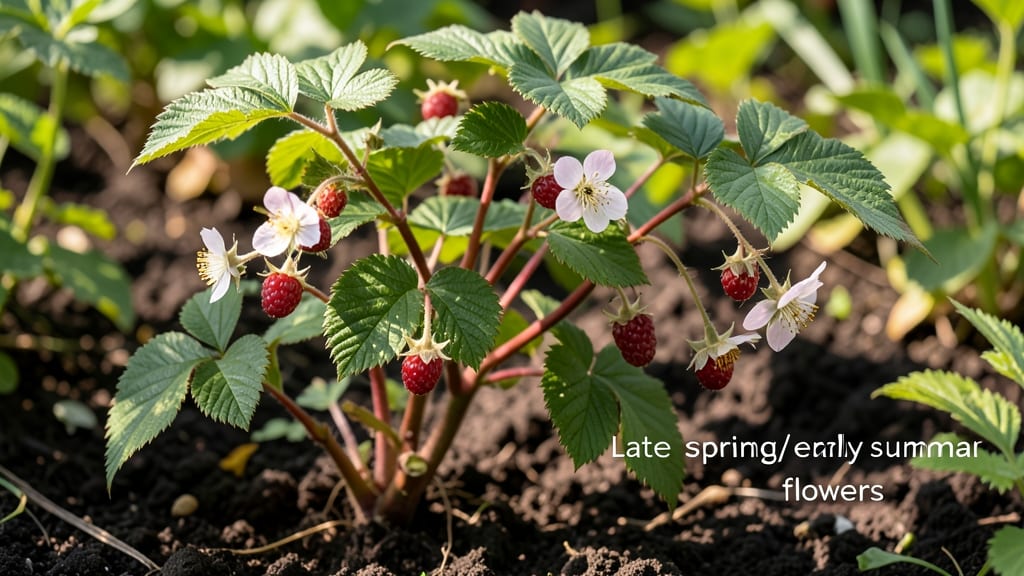
Raspberries flower in late spring—typically between April and June—but the exact timing depends on your growing zone, variety, and even last winter’s chill hours.
Picture this: You’ve waited months for those juicy 🍇 berries, only to see your canes burst into bloom just as a late frost threatens. That’s why knowing the precise window for your raspberries isn’t just helpful—it’s the key to avoiding wasted effort and empty vines.
In Zone 6a, like where I garden, flowering usually kicks off in early May, but warmer climates can push it into March, while colder zones might see it linger until June. Everbearing varieties complicate things further, often flowering twice in one season.
Below, I’ll break down the exact months by zone, how to spot early signs of blooms, and the simple tricks to protect your crop—so you can go from “hopeful gardener” to “berry harvest pro” in no time.
Raspberry flowering timeline by USDA hardiness Zones: months & key stages
Understanding when raspberries flower is the first step to maximizing your harvest. Flowering timing varies dramatically by USDA hardiness zone, raspberry type, and even local microclimates. In Zones 3-5, cold winters trigger dormancy, while Zones 6-10 may experience earlier blooms due to milder conditions.
The difference between floricane (summer-bearing) and primocane (fall-bearing) types also shifts your timeline by months.
For example, summer-bearing varieties like 'Boyne' or 'Heritage' rely on last year's canes (floricanes) to flower in late spring, while fall-bearing varieties like 'Autumn Britten' or 'Heritage' produce flowers on current year's canes (primocanes) in late summer.
Chilling hours—typically 300-1,000 hours below 45°F—determine when buds break dormancy, making your zone's winter severity a critical factor.
Pro Tip: Use a raspberry variety suited to your zone to avoid blooms during frost-prone periods. Everbearing types (like 'Carolina') often produce two harvests per year—one from floricanes in spring and another from primocanes in fall—if given the right climate cues.
In Zones 3-4, raspberries often bloom in late May to early June after accumulating enough chilling hours.
This timing aligns with when soil temperatures rise above 50°F, signaling the plant to break dormancy. Floricane varieties in these zones produce fruit on second-year canes, so pruning last year's canes in late winter is critical to encourage new growth for next season's blooms.
Gardeners in Zones 5-6 enjoy a broader flowering window, typically from mid-May to late June. Here, everbearing varieties shine by producing flowers on both floricanes (spring) and primocanes (fall).
For example, 'Carolina' raspberries may flower in May-June on old canes and again in August-September on new canes, offering two harvest opportunities if managed correctly.
Warmer climates like Zones 7-10 shift the timeline earlier, with primocane varieties often flowering as early as March in Zone 10. In these zones, heat stress can become an issue, especially if blooms occur during 90°F+ temperatures.
Varieties like 'Dorman Red' or 'Natchez' are well-adapted to these conditions and produce reliable crops even in fall-bearing cycles.
To adjust for early springs or late frosts, consider using row covers or cold frames to protect blossoms. In Zones 3-5, a sudden frost in May can devastate crops, while Zones 9-10 may struggle with bud drop if temperatures spike during flowering.
Monitoring your local frost dates and choosing frost-resistant varieties (like 'Nova' or 'Boyne') can mitigate these risks.
For container gardening, timing shifts slightly due to soil temperature fluctuations. Containers warm up faster in spring, which can advance flowering by 1-2 weeks. If you
5 Signs your raspberries are about to flower (and how to prepare)
Spotting the early signs of raspberry flowering helps you prepare for a productive harvest. Flower buds form on second-year canes (floricanes) and indicate the plant is shifting from vegetative growth to fruiting. Missing these cues means lost opportunities for optimal fruit production.
Timing matters because raspberry flowers are delicate and sensitive to temperature swings. In cooler climates like USDA Zone 5, buds appear in late spring, while warmer zones like Zone 8 may see blooms as early as February. Understanding these seasonal triggers lets you adjust care routines proactively.
🌱 5 Signs Your Raspberries Are About to Flower
- 1
- 2
- 3
- 4
- 5
Once you spot these signs, prune old canes (those without buds) to redirect energy to productive growth. Remove suckers from the base to prevent competition. I’ve found that everbearing varieties like 'Heritage' produce primocane flowers later in summer—watch for new green canes developing buds in late summer.
Over-fertilizing with high-nitrogen feeds delays flowering by encouraging leafy growth instead of buds. Balanced 10-10-10 fertilizer applied in early spring promotes both foliage and flowers. I switch to a lower-nitrogen formula (like 5-10-10) when buds appear to support fruit development.
Protect emerging flowers from late frosts by covering plants with frost cloth when night temps drop below 28°F. In my Zone 6 garden, I’ve lost entire flower clusters to unexpected cold snaps—always monitor forecasts and prepare row covers in advance.
With these signs and adjustments, your raspberries will transition smoothly from buds to berries. Patience and observation are key—don’t rush pruning or fertilizing once flowers appear, as this can reduce your harvest potential. 🍇