
Blooming
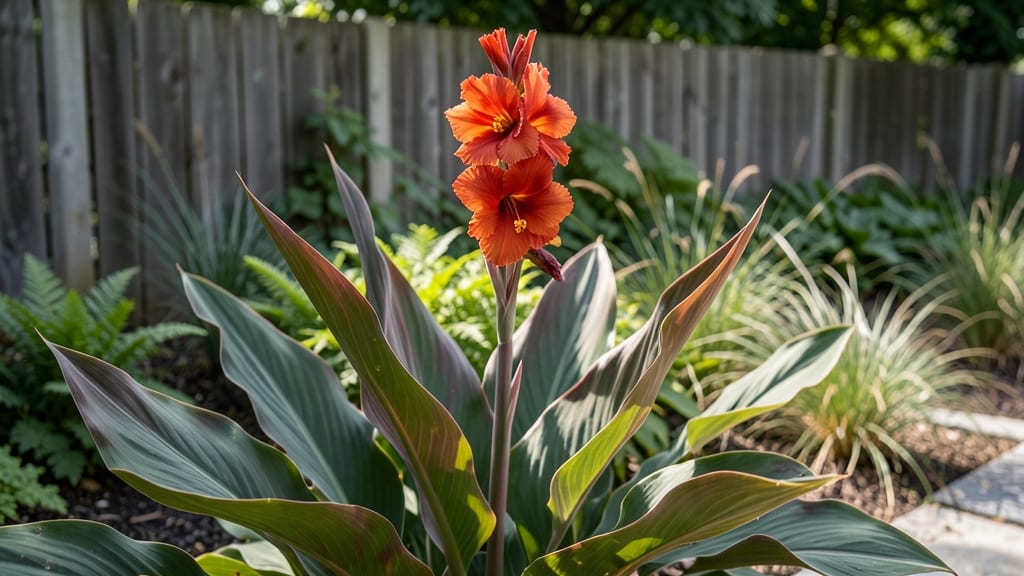
The canna flowering time is a showstopper in late summer, when those bold, tropical blooms 🌺 transform your garden into a vibrant stage—but only if you know the right variety and zone.
Picture this: You’ve waited all season for your cannas to burst into color, only to stare at lush green leaves and wonder, Where are the flowers? The truth is, their bloom schedule isn’t set in stone—it’s a dance between heat, sunlight, and the right care.
Some varieties like 'Pactolius' bloom as early as July, while others, like 'Durban,' wait until September to put on their best show.
If you’re in Zone 6a or warmer, you’ve got a better shot at year-round blooms with the right tricks—like feeding at the right time or protecting them from early frosts. But even in cooler climates, a few adjustments can turn a two-month wait into a three-month parade of color.
Below, I’ll break down the exact months your cannas will flower based on your zone, the fastest-blooming varieties, and the one mistake that keeps most gardeners from seeing those dramatic spikes until it’s almost too late.
When do canna lilies flower: exact months by USDA Zone
Canna lilies are heat-loving showstoppers that reward patience with bold, tropical blooms—but their flowering schedule shifts dramatically based on your USDA zone and local climate. In Zone 11, they may bloom year-round, while gardeners in Zone 7 might see flowers only in late summer.
Understanding these patterns helps you plan for peak color and adjust care accordingly.
Most cannas need consistent warmth (above 60°F) to trigger flowering, which is why southern regions like Florida and Southern California get earlier blooms than northern areas. Even within the same zone, microclimates (like coastal vs. inland) can shift bloom times by 2-4 weeks.
For example, San Diego (Zone 10) often sees flowers by June, while Tallahassee (Zone 8b) may wait until July.
| USDA Zone | Typical Bloom Window | Heat Trigger (°F) | Dormancy Start | Regional Note |
|---|---|---|---|---|
| Zone 7 | Late August – October | 65°F+ for 4+ weeks | First frost (Nov) | Northern edge: shorter season; mulch to extend blooms. |
| Zone 8 | July – September | 70°F+ for 3+ weeks | Light frost (Dec) | Coastal areas (e.g., San Francisco) bloom earlier than inland. |
| Zone 9 | June – October | 75°F+ for 2+ weeks | Rare frost (Jan) | Southern California varieties often rebloom in fall rains. |
| Zone 10 | May – November | 80°F+ consistently | None (year-round) | Miami/Delray Beach: May blooms; Phoenix: July peak. |
| Zone 11 | April – December | 85°F+ year-round | Never | Hawaii/Florida Keys: Continuous blooms if deadheaded. |
In Zone 7, cannas typically wait until late August to flower because they need steady warmth after a cooler spring. I’ve seen 'Pactolius' varieties in North Carolina (Zone 7b) burst into red blooms by early September, while yellow 'Durban' types lag until October.
The key is ensuring 6+ hours of sun daily and moist but well-draining soil to push blooms earlier.
Gardeners in Zone 8 often enjoy longer bloom windows—from July to September—because the growing season stretches further. For example, Atlanta (Zone 8a) might see first flowers in late July, while New Orleans (Zone 9a) could start as early as June.
To encourage earlier blooms, I recommend planting rhizomes in early spring (when soil hits 60°F) and fertilizing with phosphorus (like 10-20-10) to boost flowering.
If you’re in Zone 9 or warmer, cannas often rebloom after deadheading, especially with consistent moisture. In Southern California, I’ve observed 'Cleopatra' cannas producing second flushes in fall when given regular water and partial shade during heatwaves.
The trade-off? Overwatering in Zone 11 can lead to leaf spot, so always let the top 2 inches of soil dry between waterings.
For cooler microclimates (like Zone 7 high elevations), extend the season by planting in containers and moving them to protected spots when nights dip below 50°F.
I’ve successfully grown 'Striata' cannas in Denver (Zone 6a) by overwintering rhizomes indoors and replanting in May, ensuring July blooms instead of none.
One critical mistake I see is assuming all cannas bloom at the same time. Dwarf varieties (like 'Hawaiian Sunset') may flower 2-3 weeks later than tall types (like 'President'). To sync blooms, I plant a mix of early, mid, and late-season varieties—this creates
Top 5 fastest-blooming canna varieties for quick color
If you’re craving instant color in your garden, canna lilies deliver—especially when you choose the right varieties. Some cannas burst into bloom just 60 days after planting, while others take twice as long. The key?
Selecting fast-flowering cultivars like 'Pactolius' or 'Durban', which are bred for speed and dramatic color. These varieties thrive in USDA Zones 7-11 and can even be coaxed into earlier blooms with a few pro tips.
For gardeners in cooler zones (7-8), timing is critical. Planting rhizomes as soon as soil warms to 60°F and providing consistent moisture can shave weeks off flowering time. In warmer zones (9-11), cannas often bloom year-round with minimal dormancy, but even there, variety matters.
Let’s dive into the top 5 fastest-blooming cannas and how to push their blooms even earlier.
'Pactolius' takes the crown for fastest blooms, often flowering in just 60 days after planting. Its deep red flowers with yellow throats create a striking contrast, and it reaches 4-5 feet tall, making it perfect for mid-border planting. For earlier blooms in Zone 7, start rhizomes indoors 4-6 weeks before last frost and transplant after soil warms.
'Durban' is a close second, blooming in 65 days with bright orange-red flowers that attract hummingbirds. Its 3-4 foot height makes it ideal for container gardens or small spaces. To push blooms earlier, mulch heavily to retain heat and fertilize with phosphorus-rich food (