
Flowers
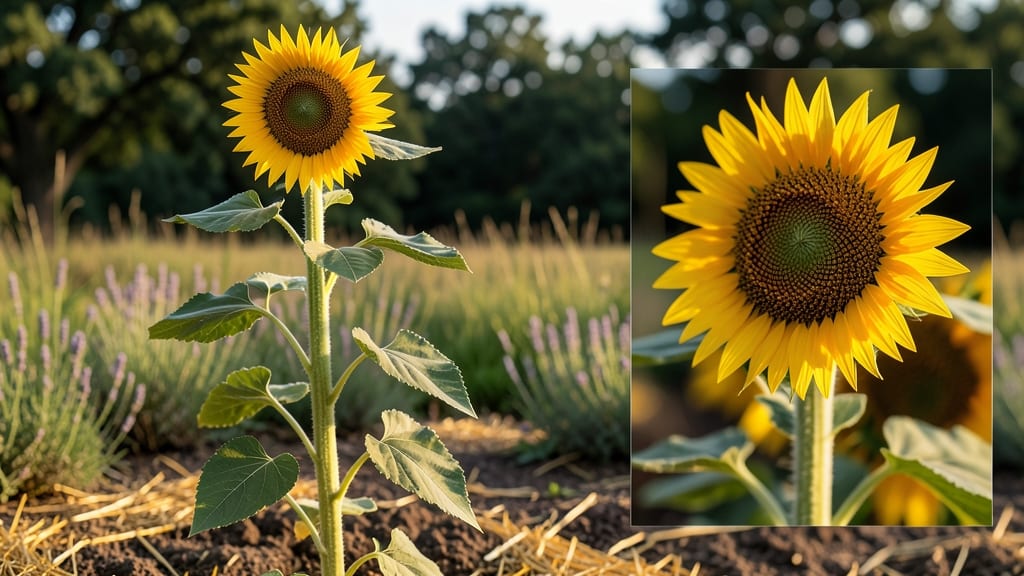
Sunflowers can grow up to 16 feet tall—taller than most gardeners can imagine, let alone accommodate!
If you’ve ever planted sunflowers and marveled at their towering presence, you’re not alone—these giants of the garden can reach heights that rival small trees. But did you know some varieties stay compact, perfect for small spaces, while others stretch toward the sky like natural skyscrapers?
Whether you’re working with a tiny balcony or a sprawling backyard, choosing the right variety makes all the difference. Dwarf sunflowers stay under 3 feet, while giant varieties can soar past 12 feet, creating a dramatic focal point in your landscape.
In this guide, I’ll break down the height ranges by variety, share the secrets to maximizing growth, and help you pick the perfect sunflower for your garden—no matter how much space you have.


Sunflower height ranges by variety: from dwarf to giant
Sunflowers are nature’s skyscrapers—some varieties stretch taller than a two-story house, while others stay compact enough for container gardens. The height of sunflowers depends entirely on the variety you choose, with some reaching 12-16 feet and others barely clearing 1-2 feet.
Whether you’re dreaming of dramatic backyard focal points or space-saving patio plants, there’s a sunflower perfect for your needs.
For gardeners with limited space, dwarf varieties offer all the beauty without the bulk. These petite powerhouses often bloom earlier and produce vibrant flowers perfect for containers, window boxes, or small urban gardens.
Meanwhile, giant sunflowers can become the star attraction in larger landscapes, providing shade and a stunning vertical element that draws pollinators from miles away.
Here’s a breakdown of sunflower height ranges, from the smallest patio varieties to the record-breaking giants that can outgrow your expectations:
| Variety Type | Height Range | Best For | Notes |
|---|---|---|---|
| Dwarf | 1–3 ft | Containers, balconies, small gardens | Examples: 'Teddy Bear', 'Moulin Rouge' |
| Semi-Dwarf | 3–6 ft | Border gardens, pollinator-friendly spaces | Examples: 'Autumn Beauty', 'Lemon Queen' |
| Standard | 6–10 ft | Backyard focal points, cut flowers | Examples: 'Mammoth', 'Russian Giant' |
| Giant | 10–16 ft | Large landscapes, shade providers | Examples: 'Mammoth Russian', 'Giant Russian' |
| Record-Breakers | 12–18 ft | Exhibition gardens, competitive growing | Examples: 'Giant Sunflower' (world records) |
If you’re growing sunflowers for cut flowers or seed production, taller varieties like 'Mammoth Russian' (up to 14 feet) are ideal—they produce larger seed heads and longer stems.
For small-space gardening, dwarf varieties like 'Teddy Bear' (just 2 feet tall) deliver cheerful blooms without the commitment of a towering giant.
One surprising fact: sunflower height isn’t just genetic—it’s also influenced by growing conditions. A 'Mammoth' variety planted in poor soil or with insufficient sunlight may only reach half its potential height. Conversely, with ideal conditions, even a standard variety can surpass expectations and grow taller than predicted.
For urban gardeners or renters, consider container-friendly dwarf varieties. These thrive in 5-gallon pots and can be moved to follow the sun, ensuring they receive the 6+ hours of sunlight they crave.
Just be sure to use a deep container—sunflower roots can grow 3–4 feet deep, so shallow pots will stunt their growth.
On the opposite end of the spectrum, giant sunflowers need ample space and sturdy support. Their heavy seed heads can cause them to lean or topple in windy conditions.
If you’re growing a 12-foot variety, consider planting near a fence or trellis for support, or stake them early to prevent flopping.
Did you know the tallest sunflower ever recorded reached an astonishing 18 feet 5 inches? This record-breaking specimen, grown in Germany in 2022, required ideal soil, consistent watering, and daily care to achieve such monumental growth.
While most gardeners won’t reach this height, it’s a reminder of how much these plants can grow with the right conditions.
When selecting sunflowers for your garden, consider not just height but also bloom time. Dwarf varieties often flower earlier in the season (as early as July), while giant varieties may take until late summer or early fall to reach their full height and bloom.
This timing can help you extend your garden’s seasonal interest.
For pollinator gardens, a mix of heights creates a dynamic landscape. Plant dwarf varieties in the front for easy access to bees and butterflies, then layer taller varieties in the back to provide vertical structure.
This arrangement also makes it easier to harvest seeds or cut flowers without disturbing the smaller plants.
How sunflower height affects growth conditions and care
Sunflower height isn't just about variety—it's a direct response to your garden's growing conditions. Taller varieties like 'Mammoth' or 'Russian Giant' need deeper soil and stronger stems to support their weight, while dwarf types like 'Teddy Bear' thrive in shallower beds.
The taller your sunflowers grow, the more they'll demand from their environment, from sunlight exposure to wind resistance.
Your sunflowers' ultimate height depends on a delicate balance of sunlight exposure, soil nutrients, and water availability. Giant varieties can reach 12-16 feet when given ideal conditions, but even standard types will struggle to reach their potential in poor soil or with insufficient sunlight.
Let's break down how each factor influences growth and what you can do to optimize it.
- 1 Sunlight Needs: 10+ hours daily for giant varieties to reach 12+ feet. Standard types need 6-8 hours for optimal growth.
- 2 Soil Depth: Giant varieties require 24+ inches of loose, fertile soil. Compacted soil stunts root growth and limits height potential by 30-50%.
- 3 Water Requirements: Tall sunflowers need 1-2 inches weekly during growth. Underwatering causes stem weakness and height reduction by up to 4 feet.
- 4 Wind Resistance: Varieties over 10 feet need staking or shelter. Without support, wind can reduce height by 25-35% through stem bending.
Did you know that soil temperature also plays a crucial role? Sunflowers need soil that's at least 55°F to germinate properly. Planting too early in cool soil can delay growth by 2-3 weeks, directly impacting final height.
I always wait until late spring when the ground has warmed up—it makes a noticeable difference in my giant varieties.
Another critical factor is spacing between plants. Crowded sunflowers compete for nutrients and sunlight, which can reduce their height by up to 3 feet. For giant varieties, maintain 2-3 feet between plants, while dwarf types can be spaced 12-18 inches apart.
Proper spacing also improves air circulation, reducing the risk of fungal diseases that can weaken stems and limit growth.
If you're growing sunflowers in container gardens, height potential drops significantly due to limited root space. Even giant varieties will typically only reach 60-70% of their maximum height in pots.
For container-growing, choose dwarf or semi-dwarf varieties like 'Sunspot' or 'Little Becka'—they'll still bring that cheerful sunflower charm without the space requirements.
For maximum height, I recommend side-dressing with compost when plants are 6-8 inches tall. This gives them a nutrient boost during their rapid growth phase. Just be careful not to over-fertilize—too much nitrogen can lead to leafy growth at the expense of height.
A balanced 10-10-10 fertilizer applied every 4-6 weeks works perfectly for me.