
Flowers
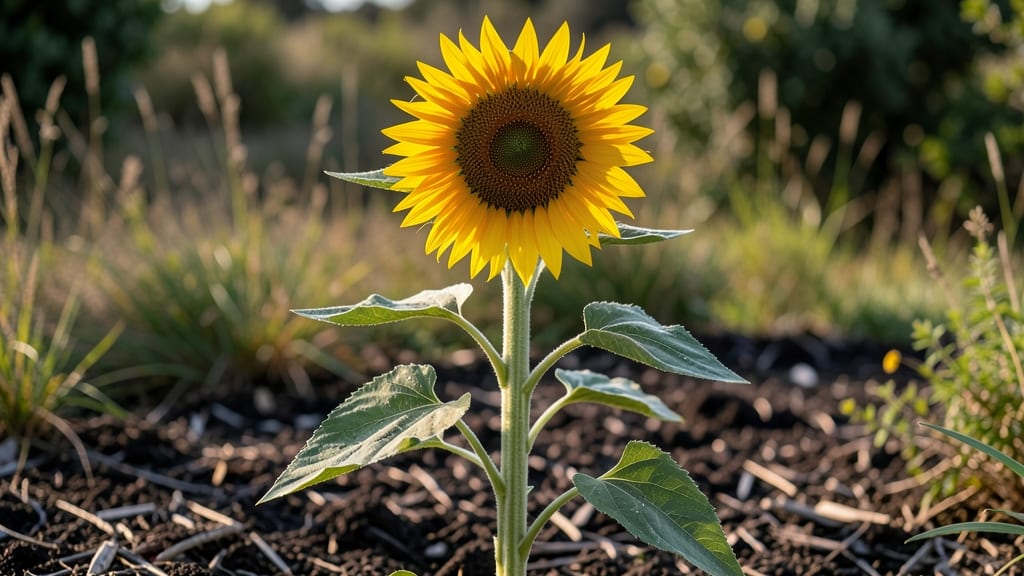
Mammoth Russian sunflowers 🌻 can grow 10 to 16 feet tall, turning your garden into a sunflower skyscraper overnight if you give them the right conditions.
Picture this: a towering giant that blocks your neighbor’s fence—or even your roof—by late summer. But before you plant, you’ll want to know how their height varies by variety and what it takes to coax them to their full potential.
These sunflowers aren’t just tall; they’re fast growers, shooting up 3 to 4 feet per week under ideal conditions. That means proper spacing, staking, and sunlight are non-negotiable if you want to avoid a top-heavy disaster.
In this guide, I’ll break down the exact height ranges by variety, the key factors that determine how big they’ll get, and how to plan your garden so these sunflower giants stand strong—without leaning like a drunk giraffe.


Mammoth Russian sunflower height ranges by variety: exact measurements
If you're planning to grow Mammoth Russian sunflowers, knowing their exact height ranges helps you prepare your garden space and support structures. These varieties are famous for their impressive stature, but their heights can vary significantly depending on the specific cultivar and growing conditions.
The most common varieties typically reach between 10 to 16 feet, but some exceptional plants have even surpassed these averages under ideal conditions.
Understanding these height ranges is crucial for gardeners in smaller spaces or those who want to maximize vertical growth. For example, the 'Mammoth' variety is the most well-known and consistently reaches 12 to 14 feet, while 'Russian Giant' can push even higher, sometimes exceeding 15 feet.
These differences matter when planning for trellises, fences, or even wind resistance in your garden.
Below is a detailed breakdown of the height ranges for the top Mammoth Russian sunflower varieties, including average and maximum recorded heights. This will help you set realistic expectations and plan accordingly for your garden layout.
| Variety | Average Height | Maximum Recorded Height | Growing Conditions for Optimal Height |
|---|---|---|---|
| 'Mammoth' | 12-14 ft | 15 ft | Full sun, rich soil, consistent watering |
| 'Russian Giant' | 14-16 ft | 18 ft | Warm climate, deep soil, staking |
| 'Autumn Beauty' | 10-12 ft | 13 ft | Moderate sun, well-drained soil |
| 'Russian Tall' | 13-15 ft | 17 ft | Long growing season, fertile soil |
The 'Mammoth' variety is the most popular choice for home gardeners because it reliably reaches 12 to 14 feet, making it perfect for creating dramatic focal points in your garden. However, if you're aiming for the absolute tallest sunflowers, 'Russian Giant' is the variety to grow.
Some gardeners have reported plants exceeding 16 feet, with a few exceptional cases reaching up to 18 feet under ideal conditions.
Growing these sunflowers to their full potential requires more than just space. Full sun exposure (6-8 hours daily) is non-negotiable, as is rich, well-draining soil with plenty of organic matter. Without these conditions, even the tallest varieties may struggle to reach their maximum height.
For example, in cooler climates or with poor soil quality, you might see heights closer to 10 to 12 feet instead of the expected 14 to 16 feet.
Another critical factor is watering consistency. Mammoth Russian sunflowers have deep root systems and require 1 to 2 gallons of water per plant every 3 to 5 days during the growing season.
Skimping on water can lead to stunted growth, while overwatering can cause root rot. Balancing moisture levels is key to encouraging vertical growth.
For gardeners in USDA Zones 6-9, these sunflowers thrive when planted in late spring after the last frost. Starting seeds indoors and transplanting seedlings can give them a head start, especially in shorter growing seasons.
If you're in a warmer climate, you can even plant them as early as March, provided the soil temperature is above 60°F.
One common mistake is underestimating the space these plants need. While they may start small, their rapid growth means they’ll quickly outgrow their surroundings. Planting them at least 2 feet apart gives their roots room to expand and supports their towering stature.
If you're growing them near a fence or trellis, ensure the structure is sturdy enough to handle their weight, especially after heavy rain or wind.
If you're aiming for the tallest possible sunflowers, consider staking or caging your plants early in their growth. This provides support and prevents them from bending or breaking under their own weight.
Some gardeners also use mycorrhizal fungi or compost tea to boost root health, which can contribute to greater height. With the right conditions, you might just grow a sunflower that steals the show in your neighborhood!
🌻
What determines Mammoth Russian sunflower height: key factors
If you're planting Mammoth Russian sunflowers, you're not just growing a flower—you're cultivating a 10-16-foot architectural statement. But how do these giants reach their full potential? The answer lies in a mix of genetics, environment, and care.
While some varieties naturally grow taller, others need the perfect conditions to unlock their height potential.
Let's break down the critical factors that determine how tall your sunflowers will grow. From soil quality to sunlight exposure, each element plays a role in whether your plants will stretch toward the sky or stay stunted.
Understanding these variables helps you avoid common mistakes that limit growth and maximize your sunflower's towering ambitions.
🌱 Key Factors Affecting Mammoth Russian Sunflower Height
- 🌿 Genetics: Varieties like 'Russian Giant' naturally reach 14-16 feet, while others max out at 10-12 feet. Choose seeds labeled for height if you want giants.
- ☀️ Sunlight: 6-8+ hours of full sun daily is non-negotiable. Less light = shorter stems. South-facing plots get the best results.
- 💧 Watering: Deep watering every 2-3 days during peak growth prevents stunted stems. Drought stress halts vertical expansion.
- 🌡️ Climate: Warm zones (USDA 6+) yield taller sunflowers. Cool summers or early frosts cut growth short.
- 🌱 Soil: Nutrient-rich, well-draining soil with pH 6.0-7.5 fuels rapid stem elongation. Compacted or poor soil stunts growth.
- ✂️ Support: Staking or cages prevent wind damage, letting stems focus on height rather than bending.
- 🌱 Fertilizer: Balanced 10-10-10 NPK applied every 4-6 weeks boosts stem strength and height potential.
One of the biggest misconceptions is that Mammoth Russian sunflowers will automatically reach their maximum height without intervention. In reality, 50% of their potential growth depends on your care.
For example, a 'Russian Giant' planted in partial shade might only reach 8 feet, while the same variety in full sun with proper watering can hit 14 feet.
Another critical factor is planting depth. Seeds buried too deeply struggle to emerge, while shallow planting can expose them to drying winds. Aim for 1 inch deep in warm soil (60°F+) to ensure strong, rapid germination—the foundation for future height. Remember, a slow start means a shorter final stem.
Don't overlook the role of pests and diseases. Aphids or powdery mildew can sap energy from your sunflowers, diverting resources away from stem elongation. Use neem oil or insecticidal soap preventatively, and remove affected leaves immediately to keep your giants growing upward.
Finally, spacing matters. Crowded plants compete for sunlight and nutrients, resulting in shorter, weaker stems. Give each sunflower 18-24 inches of space between plants and 3 feet between rows to ensure they have room to stretch their legs—literally.
Proper spacing also improves air circulation, reducing disease risk and promoting taller growth.