
Mower
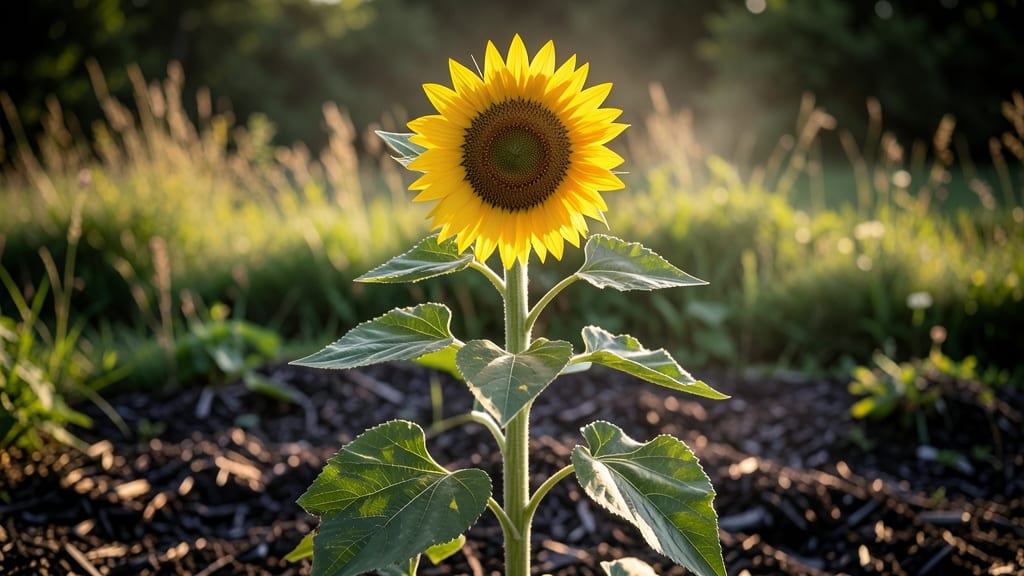
The Mammoth Russian sunflower can reach heights of 12 to 16 feet or more when grown under ideal conditions 🌻 — making it one of the tallest sunflower varieties available.
If you're dreaming of towering sunflowers that dominate your garden like a golden skyscraper, the Mammoth Russian variety could be your perfect match. These giants don’t just stop at 10 feet; with the right care, they’ll stretch toward the sky, creating a stunning focal point in your landscape.
But achieving that kind of height isn’t just luck—it’s about understanding the key factors that influence growth, from soil quality to sunlight exposure. Whether you’re a seasoned gardener or a beginner, knowing how to nurture these sunflowers will help you grow them to their full potential.
In this guide, I’ll cover everything you need to know—from spacing and staking tips to sunlight requirements and maintenance advice—so you can cultivate Mammoth Russian sunflowers that reach new heights in your garden.

Mammoth Russian sunflower height: exact growth expectations & record-breaking facts
If you're planning your garden layout and wondering how tall your Mammoth Russian sunflowers will grow, you're in the right place. These giants are famous for their impressive stature, often reaching heights that make them the centerpiece of any landscape.
On average, they grow between 12 to 16 feet, but with ideal conditions, they can even surpass this range. Understanding their growth potential helps you plan for spacing, support, and overall garden design.
Gardeners often ask whether these sunflowers will grow taller than a standard basketball hoop (10 feet). The answer is a resounding yes! With proper care, you can expect your Mammoth Russian sunflowers to tower well above this height, creating a stunning vertical display.
Their rapid growth—sometimes adding 2-3 feet per month—makes them a thrilling addition to any garden, especially for those who love dramatic focal points.
| Growth Stage | Height Range (ft) | Key Factors |
|---|---|---|
| Seedling | 0.5 - 2 ft | Soil warmth, consistent moisture |
| Vegetative Growth | 6 - 10 ft | Full sun, nutrient-rich soil |
| Mature Plant | 12 - 16+ ft | Proper staking, balanced fertilizer |
| Record-Breaking | 18+ ft | Competitive growing techniques |
Several factors influence how tall your Mammoth Russian sunflowers will grow. Sunlight exposure is critical—these sunflowers thrive with 6-8+ hours of direct sunlight daily.
If you're in a region with shorter daylight hours, consider supplementing with grow lights to ensure they reach their full potential. Soil quality also plays a significant role; well-draining, nutrient-rich soil promotes faster and taller growth. Adding compost or a balanced fertilizer can give your plants the boost they need.
Watering habits are another key factor. While Mammoth Russian sunflowers are moderately drought-tolerant once established, they require consistent moisture during their early growth stages. Aim to water deeply 1-2 times per week, ensuring the soil stays moist but not waterlogged.
Overwatering can lead to weak stems, which may struggle to support the plant's impressive height. Mulching around the base can help retain moisture and keep roots cool.
Many gardeners wonder about the record-breaking heights achieved by competitive growers. In controlled environments, Mammoth Russian sunflowers have been known to reach heights of 18 feet or more. These records are typically achieved through careful monitoring of nutrient levels, sunlight exposure, and structural support.
For example, using stakes or cages can prevent the plants from toppling over under their own weight, allowing them to focus their energy on vertical growth rather than stabilizing.
If you're growing Mammoth Russian sunflowers in containers, expect slightly shorter heights—typically 8-12 feet—due to limited root space. However, with the right container size (at least 18 inches in diameter) and consistent care, you can still achieve impressive results.
For in-ground planting, give each plant 18-24 inches of space to allow for optimal airflow and root development, both of which contribute to taller growth.
One common misconception is that taller sunflowers require more fertilizer. While nutrients are important, over-fertilizing can lead to excessive foliage growth at the expense of height. Instead, focus on a balanced fertilizer (10-10-10) applied every 4-6 weeks during the growing season.
This approach ensures steady growth without overwhelming the plant. Additionally, pruning lower leaves can improve airflow and direct energy toward upward growth.
For those in cooler climates, timing your planting is crucial. Mammoth Russian sunflowers thrive in USDA Zones 6-10 and should be planted after the last frost date, typically in late April or May.
Starting seeds indoors 4-6 weeks before the last frost can give them a head start, allowing them to reach their full height potential by the end of the growing season.
In warmer climates, you can extend the growing season by planting in early spring or late summer for a fall display.
In summary, the height of your Mammoth Russian sunflowers depends on a combination of genetics, sunlight, soil quality, watering, and structural support. With the right conditions, these sunflowers can easily reach 14-16 feet, and with competitive growing techniques, they can even surpass 18 feet.
Whether you're aiming for a dramatic backyard centerpiece or a record-breaking garden feat, these giants are sure to impress.
How to grow Mammoth Russian sunflowers to their maximum height
To coax your Mammoth Russian sunflowers to reach their 12-16-foot potential, you’ll need to focus on a few critical factors. These giants thrive when given the right conditions—think nutrient-rich soil, optimal spacing, and consistent care.
The secret to their towering heights lies in mimicking their natural growing environment, which typically includes deep, loamy soil and full sun exposure.
One common mistake gardeners make is underestimating the root depth these sunflowers need. Their roots can grow 5-6 feet deep, so planting in well-amended soil is non-negotiable.
If you’re in a USDA Zone 6a or warmer, you’ll want to plant seeds after your last frost date—typically mid-April to early May—to give them the full growing season they crave.
- 1 Prep the Soil: Test your soil’s pH (aim for 6.0-7.0) and amend with compost or aged manure. These sunflowers love loamy, well-draining soil rich in organic matter.
- 2 Plant Deeply: Sow seeds 1/2 inch deep and space them 18-24 inches apart. For maximum height, plant in blocks rather than rows to support each other’s stems.
- 3 Water Consistently: Provide 1-2 gallons of water per plant weekly during dry spells. Water at the base in the morning to prevent fungal diseases and encourage deep root growth.
- 4 Stake Early: Install 6-foot stakes or use tree supports when plants reach 3 feet tall. Secure stems loosely with soft ties to avoid restricting growth.
- 5 Fertilize Strategically: Apply a balanced 10-10-10 fertilizer when plants are 6 inches tall, then every 4-6 weeks during the growing season. Avoid over-fertilizing, which can stunt height.
- 6 Mulch Generously: Spread 3 inches of mulch around the base to retain moisture, regulate soil temperature, and suppress weeds. Use straw or shredded leaves for best results.
- 7 Monitor for Pests: Watch for aphids or beetles and treat with neem oil if needed. Healthy plants are less susceptible to pests, so prioritize soil health and proper spacing.
Timing is everything when it comes to Mammoth Russian sunflowers. Planting too early in cool soil can delay growth, while late planting may cut their height short.
Aim to have seeds in the ground by mid-May in most regions to ensure they reach their full potential before the first frost. If you’re in a shorter growing season, consider starting seeds indoors 4-6 weeks before transplanting.
Don’t forget that sunlight is non-negotiable for these giants. They need 6-8+ hours of direct sun daily to fuel their rapid vertical growth. If your garden lacks full sun, consider using reflective surfaces like white mulch or mirrors to maximize light exposure.
Even a few extra hours of sunlight can make a noticeable difference in their height.
With these steps, your Mammoth Russian sunflowers will not only reach their maximum height potential but also become the stunning focal point of your garden. Just imagine the golden skyline you’ll create when they bloom! 🌻