
Light Requirements
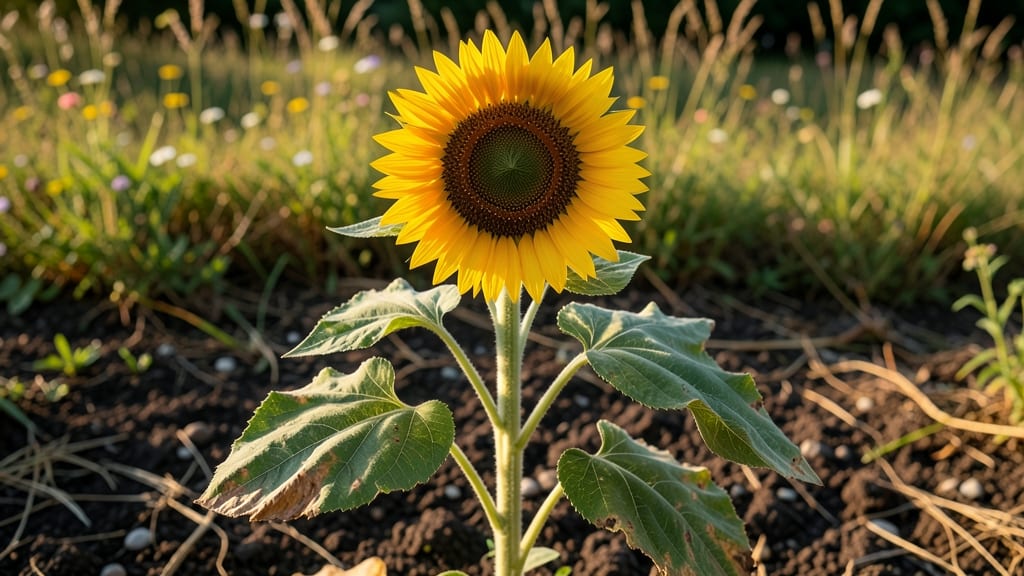
Sunflowers need direct sunlight to thrive, but how much is too much—and what happens when they don’t get enough? 🌻 These towering beauties aren’t just picky; they’re downright demanding, and skipping their sunlight needs can turn your 10-foot giant into a sad, leggy weed.
Picture this: You’ve sown your seeds in April, watered them faithfully, and even fertilized—but your sunflowers are stretching thin, their leaves pale and weak. That’s not bad luck; it’s a light deficiency, and the fix is simpler than you think.
The key isn’t just any sunlight; it’s the right amount, at the right time, to fuel their rapid growth.
Most sunflowers crave 6 to 8 hours of direct sunlight daily, but not all varieties are created equal. Some, like the dwarf ‘Teddy Bear,’ can tolerate a little shade, while others will bolt or flop without full sun.
Below, I’ll break down exactly how much light your sunflowers need, how to spot the signs of sunlight starvation, and even a few tricks to help them flourish when your garden isn’t exactly sunny.
Ready to grow sunflowers that reach for the sky? You’ll learn how to position them for success, which companion plants to pair (or avoid), and how to tweak your approach if your garden leans toward the shady side. Let’s get those seeds soaking up the sun!

How much direct sunlight sunflowers actually need (and what happens without it)
Sunflowers are sun worshippers—they crave 6 to 8+ hours of direct sunlight daily to reach their full 10-foot glory. Without enough light, their growth stalls, stems weaken, and those iconic golden blooms never fully open.
Think of sunlight as their fuel source: the more they get, the faster and stronger they grow.
But here’s the catch: sunflowers aren’t all-or-nothing plants. While they thrive in full sun, they can survive in partial shade, though their height, bloom size, and vigor will suffer.
The key is understanding how photosynthesis efficiency drops in low light, which directly impacts their ability to convert sunlight into energy for growth.
For example, a sunflower in full sun (6+ hours/day) might grow 10-14 feet tall with vibrant blooms. But in only 3-4 hours of sunlight, expect 50% height reduction and pale, underdeveloped flowers. The difference isn’t just aesthetic—it’s about structural integrity and seed production.
Photosynthesis science explains why: sunflowers have C3 photosynthesis, which requires abundant light to maximize sugar production. In shade, their chlorophyll production slows, leading to leggy, weak stems and smaller leaves. This is why gardeners in USDA Zones 3-9 often see dramatic differences between sunflowers in open fields versus those tucked under trees.
If you’re growing sunflowers in containers or small gardens, position them in the sunniest spot possible. South-facing windows or raised beds with no overhead shade work best. Even a 2-hour difference in sunlight can mean the difference between a showstopper bloom and a disappointing dwarf.
For gardeners in urban areas with limited sun, consider dwarf varieties like 'Teddy Bear' or 'Moulin Rouge,' which tolerate partial shade better than standard types. These varieties can still produce small but cheerful blooms, though their stems won’t reach the same heights.
Pair them with tall companion plants like corn or pole beans to create a natural trellis and maximize light exposure.
One common mistake is assuming morning sun alone is enough. While morning sunlight is ideal (it’s cooler and less intense), sunflowers need afternoon sun too to complete their photosynthetic cycle.
If your garden only gets morning sun, rotate plants every few weeks to ensure even exposure. This trick can boost growth by 20% in low-light conditions.
Pro tip: Monitor your sunflowers’ leaves. Healthy sunflowers have deep green, upright leaves. If leaves turn yellow or stretch toward light, it’s a sign of light deprivation. In this case, consider relocating the plant or pruning nearby shade sources like overgrown shrubs or tall grasses.
Even 1 extra hour of sunlight can make a noticeable difference in just 2-3 weeks.
Remember, sunflowers are heliotropic—they follow the sun’s movement throughout the day. This behavior isn’t just charming; it’s a survival mechanism to maximize energy absorption. When they
Sunflower varieties that tolerate partial shade (and how to grow them successfully)
Not all sunflowers demand 6+ hours of direct sunlight—some varieties thrive in partial shade with the right care. If your garden lacks full sun, these shade-tolerant sunflowers can still deliver stunning blooms and seeds. The key lies in choosing the right varieties and optimizing growing conditions.
While most sunflowers crave sunlight, dwarf and smaller varieties adapt better to partial shade conditions. These types grow shorter stems, reducing their sunlight needs while still producing vibrant flowers. Let’s explore the best options and how to maximize their success in lower-light environments.
🌱 Top Shade-Tolerant Sunflower Varieties
When growing these varieties in partial shade, focus on well-draining, nutrient-rich soil. Amend your garden beds with compost or aged manure to improve fertility, as shade reduces photosynthesis efficiency. Aim for loamy soil with a pH between 6.0 and 7.0 for optimal growth.
Companion planting can also help maximize sunlight exposure. Place taller sunflowers near low-growing plants like marigolds or basil to create a sunlight canopy. Avoid planting near competitive species like corn, which can steal nutrients and sunlight. Instead, opt for supportive companions that improve air circulation.
For container gardening, choose large pots (12+ inches deep) filled with lightweight potting mix. Place containers in the sunniest spot available, even if it’s only a few hours daily. Rotate pots weekly to ensure even light exposure, as sunflowers naturally follow sunlight.
With the right variety selection and growing adjustments, your shade-tolerant sunflowers can still reach their full potential—even without full sun exposure. Happy gardening! 🌻