
Size
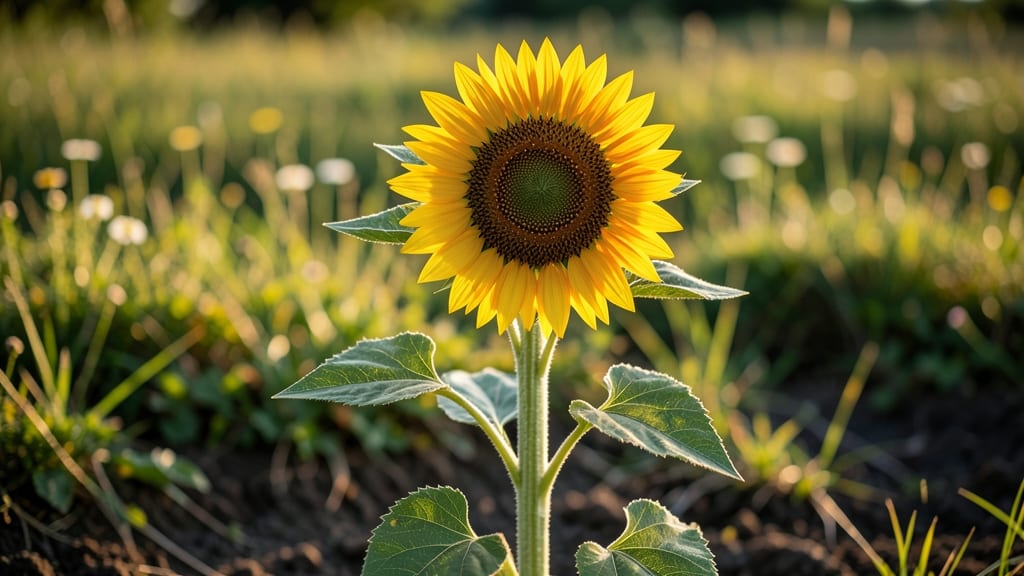
Sunflowers grow to heights ranging from 3 feet to towering 14 feet, turning your garden into a living skyline with just a few seeds.
That’s right—whether you’re dreaming of a whimsical border or a dramatic statement piece, the right variety can transform your space. But how do you pick the perfect height for your garden’s layout, your local climate, and even your goals—like attracting pollinators or harvesting seeds?
Some sunflowers stay compact, perfect for containers or small spaces, while others reach for the sky, needing staking and extra room to thrive. The key is matching the plant to your needs: a 3-foot dwarf for a patio or a 12-foot giant to shade a seating area.
In this guide, I’ll break down the height ranges, share tips for supporting tall varieties, and help you choose the best sunflower for your garden—so you can enjoy those golden faces without the headaches.

Sunflower height ranges by variety: from dwarf to giant
Choosing the right sunflower variety isn’t just about color—it’s about height. Your garden’s space, sunlight, and purpose (cut flowers, bird feeders, or borders) all depend on this one factor. From dwarf varieties perfect for containers to giant sunflowers that reach skyscraper heights, each type offers unique benefits.
Let’s break down the height ranges and how they fit into your gardening plans.
Sunflowers can range from 3 feet to over 14 feet, with some varieties even topping out at 16 feet under ideal conditions.
The key to selecting the right height lies in understanding your garden’s layout, wind exposure, and whether you prioritize cut flowers, bird feeders, or visual impact. For example, a 3-foot dwarf thrives in small spaces, while a 14-foot giant makes a dramatic statement in open fields.
Here’s a quick reference to help you match sunflower heights to your gardening goals:
| Height Range | Variety Examples | Best Uses | Growth Tips |
|---|---|---|---|
| 1–3 ft | 'Teddy Bear,' 'Moulin Rouge' | Containers, borders, cut flowers | Stake if heavy-headed; ideal for small gardens |
| 3–6 ft | 'Sunspot,' 'Autumn Beauty' | Cut flowers, pollinator gardens | Minimal staking; great for mid-height beds |
| 6–10 ft | 'ProCut,' 'Russian Giant' | Cut flowers, bird feeders, focal points | Stake at planting; deep watering needed |
| 10–14 ft | 'Mammoth,' 'Giant Russian' | Dramatic displays, bird feeders | Heavy-duty staking; full sun required |
If you’re working with limited space, dwarf varieties like 'Teddy Bear' (1–3 feet) are perfect for containers or window boxes. These sunflowers bloom early and produce cheerful, compact flowers ideal for cutting or adding color to patios.
For cut flower arrangements, semi-dwarf varieties like 'Sunspot' (3–6 feet) strike a balance between manageable height and striking blooms.
For gardeners with open fields or large backyards, tall sunflowers like 'Russian Giant' (10–14 feet) create a dramatic focal point. These varieties also serve as natural bird feeders, attracting finches and other seed-eating birds.
However, their towering height means you’ll need sturdy stakes or cages to prevent toppling in windy conditions.
One common mistake is assuming all sunflowers need the same care. Taller varieties require deeper watering and richer soil to support their height, while dwarf varieties thrive in well-draining soil with minimal extra care.
Always check the seed packet recommendations for spacing—taller sunflowers need 2–3 feet apart, while dwarfs can be planted 12–18 inches apart.
Sunlight is another critical factor. All sunflowers need full sun (6–8 hours daily), but taller varieties may struggle in partial shade, leading to weak stems and fewer blooms.
If your garden has limited sunlight, opt for dwarf or semi-dwarf varieties, which are more adaptable to mixed light conditions.
Pro tip: Use companion planting to support tall sunflowers. Pair them with low-growing perennials like lavender or thyme to create a balanced garden bed. This not only adds visual interest but also helps prevent soil erosion around the sunflower’s base.
Ready to pick your perfect sunflower? Start by measuring your garden space and noting your sunlight exposure. Whether you’re aiming for a whimsical dwarf or a majestic giant, the right height will transform your garden into a sunflower sanctuary.
How sunflower height affects your garden: space, support, and sunlight needs
Choosing the right sunflower height transforms your garden from a simple flower bed to a dynamic landscape feature. Taller varieties create vertical interest, while shorter types work perfectly in containers or tight spaces.
But height isn't just about aesthetics—it directly impacts your plants' stability, sunlight access, and even their ability to attract pollinators and birds.
The height of sunflowers you select will determine whether you need to stake your plants, adjust your garden layout, or provide extra wind protection. For example, a 14-foot 'Russian Giant' needs a sturdy support system, while a 3-foot dwarf can thrive in a patio pot with minimal care.
Let's explore how height affects every aspect of your sunflower garden.
- 1 Space Requirements: 3-6 ft varieties need 18-24 inches spacing, while 10-14 ft giants require 3-4 feet between plants to prevent shading.
- 2 Support Needs: Plants over 6 feet typically need staking or caging in windy areas, while shorter types often self-support with strong stems.
- 3 Sunlight Access: Taller varieties (8+ ft) may shade shorter plants if spaced too closely; arrange in sunlight gradients for balanced growth.
- 4 Pollinator Appeal: Taller flowers attract birds and bees to higher elevations, while shorter varieties bring pollinators closer to ground-level plants like tomatoes or peppers.
- 5 Wind Resistance: Giant varieties (>10 ft) need sheltered locations or windbreaks to prevent toppling, while dwarf types handle breezes easily.
Your garden's layout and climate play crucial roles in height selection. In urban gardens with limited space, opt for 3-5 foot varieties like 'Teddy Bear' or 'Moulin Rouge' to avoid overcrowding.
For rural areas with plenty of room, 12-14 foot giants create stunning focal points and provide wildlife perches for birds.
Don't overlook how sunlight exposure varies with height. Shorter sunflowers (3-6 feet) thrive in partial shade but still need 6+ hours of sun, while taller varieties require full sun exposure to reach their maximum height.
Place giant sunflowers at the northern edge of your garden to prevent shading smaller plants.
Height also influences pollination success. Taller flowers (8+ feet) create vertical pollinator highways, attracting bees and butterflies from ground level to treetop height. For maximum seed production, interplant tall and short varieties to ensure pollinators visit all your flowers.
This layered approach also supports bird feeding—finches and sparrows love perching on sunflower stems to snack on seeds.
Remember that soil quality affects height potential. Even dwarf varieties may grow taller with rich, fertile soil, while giant sunflowers in poor soil might struggle to reach their full height. Amend your soil with compost before planting to give all varieties their best chance to thrive.
With the right height selection and care, your sunflowers will become the showstopping centerpiece of your garden! 🌻