
Succulent
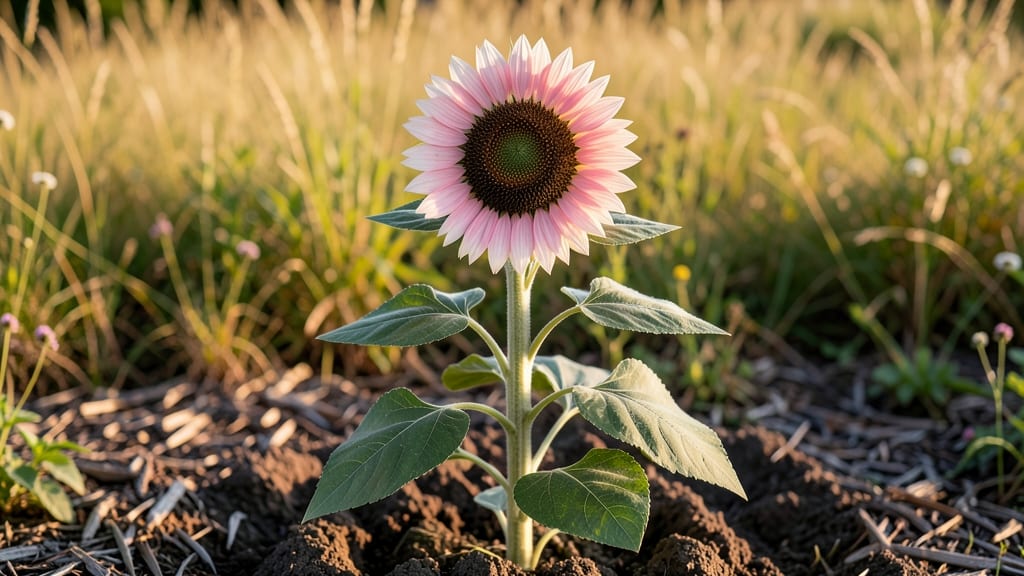
Giant pink teddy bear sunflowers 🌻 bring a playful, oversized charm to any garden, turning ordinary spaces into whimsical showstoppers.
Picture this: towering blooms with velvety pink petals that look like they’ve been stuffed by a gardener’s giant teddy bear—these sunflowers aren’t just pretty, they’re the kind of statement plants that make neighbors stop and stare.
But here’s the catch: their full, fluffy potential only unfolds when you play by a few simple design rules.
Whether you’re dreaming of a cottage garden bursting with color or a modern border that pops against deep greens, these sunflowers thrive when paired with the right companions. Think tall grasses for swaying contrast or purple blooms to deepen their pink hue—each choice amplifies their natural drama.
In this guide, I’ll walk you through expert foliage tricks to maximize their height, color, and fluff, plus companion plants that make them shine even brighter. Ready to turn your garden into a living canvas?
How to grow pink giant teddy bear sunflowers for maximum fluff and color
The Pink Giant Teddy Bear sunflower isn't just a pretty face—its signature fluffy foliage and bold pink blooms make it a garden showstopper. To unlock their full potential, start with the right soil prep and sunlight conditions.
These sunflowers thrive when given the perfect balance of nutrients and light, which directly impacts their stem strength and leaf density.
Skipping these steps often leads to leggy stems or weak blooms, so let’s dive into the proven techniques for growing sunflowers that look like they’ve stepped out of a storybook.
One of the biggest mistakes gardeners make is assuming these sunflowers are low-maintenance. While they’re drought-tolerant once established, their early growth stages demand consistent moisture and nutrient-rich soil. The key to achieving that teddy bear-like fluffiness lies in understanding their growth habits and adjusting your care routine accordingly.
From pruning techniques to watering schedules, every detail matters when cultivating sunflowers that stand out in your garden.
Before you even plant a seed, focus on creating an environment that mimics their natural preferences. These sunflowers love well-draining soil mixed with compost for extra nutrients. Avoid heavy clay soils, which can cause root rot and stunt growth.
Once your soil is ready, the next critical step is ensuring they get full sun exposure—at least 6-8 hours daily. Without this, their stems will stretch too tall and their foliage will lose that signature voluminous texture.
Step-by-Step Guide to Growing Fluffy Pink Giant Teddy Bear Sunflowers
- 1 Soil Prep: Amend your soil with compost and a balanced fertilizer (10-10-10) to ensure nutrients are available. Aim for a pH of 6.0-7.0 for optimal growth.
- 2 Planting Depth: Sow seeds 1 inch deep and 6 inches apart in rows spaced 2 feet apart to allow room for their fluffy foliage to spread.
- 3 Sunlight Exposure: Place your sunflowers in a spot with full sun (6-8 hours daily). South-facing areas are ideal for maximizing their pink bloom intensity and foliage density.
- 4 Watering Schedule: Water deeply once weekly during establishment, then reduce to every 10-14 days once roots are established. Always water at the base of the plant to avoid wetting foliage.
- 5 Pruning for Fluff: Pinch back the top buds when plants are 12 inches tall to encourage bushier growth and denser foliage. Remove any weak or leggy stems to redirect energy to stronger growth.
- 6 Fertilizer Boost: Apply a balanced fertilizer every 4-6 weeks during the growing season. Stop fertilizing 6 weeks before harvest to avoid bitter-tasting seeds.
One of the most common issues with Pink Giant Teddy Bear sunflowers is leggy stems, which happen when they don’t get enough light. To prevent this, always plant them in the sunniest spot in your garden.
If you’re growing them in containers, place them where they’ll receive uninterrupted sunlight throughout the day. Another trick is to use reflective surfaces, like white garden markers or mulch, to bounce extra light onto the plants and encourage compact, bushy growth.
Watering is another area where many gardeners go wrong. These sunflowers need deep, infrequent watering rather than frequent shallow watering. Overwatering can lead to root rot, while underwatering causes weak stems and smaller blooms. Aim to water in the early morning
Best companion plants and foliage tricks to enhance pink giant sunflowers
Your pink giant teddy bear sunflowers deserve star treatment, but they shine brightest when paired with the right supporting cast. These towering beauties—reaching 10 to 14 feet tall—create stunning vertical accents, but their impact soars when surrounded by strategic companion plants and foliage textures.
The key is balancing their bold pink blooms with plants that complement their height, color, and whimsical charm.
Start by considering height contrast to frame your sunflowers dramatically. Dwarf varieties like lamb’s ear (Stachys byzantina) or catmint (Nepeta) at their base create a stunning visual anchor, while taller ornamental grasses (Miscanthus) behind them add movement and depth.
Even low-growing perennials like coreopsis or black-eyed Susans will make their fluffy blooms pop against the sky.
For a color-coordinated look, pair their soft pink hues with deep purples (like salvia or cleome), buttery yellows (such as black-eyed Susans), or cool blues (like delphinium).
These combinations create a harmonious yet vibrant palette that draws the eye upward. Even silver foliage from artemisia or lamb’s ear adds a modern touch.
| Companion Plant | Height Range | Foliage Texture | Design Use |
|---|---|---|---|
| Lamb’s Ear (Stachys byzantina) | 6-12 inches | Soft, fuzzy silver | Base plant, contrast |
| Catmint (Nepeta) | 1-3 feet | Rough, aromatic | Pollinator magnet, border |
| Miscanthus Grass | 4-6 feet | Feathery, upright | Background, height contrast |
| Coreopsis | 1-2 feet | Fine, airy | Foreground, color pop |
| Delphinium | 3-5 feet | Bold, spiky | Mid-height accent |
Don’t overlook foliage textures—they’re the secret to making your sunflowers truly stand out. Mix ruffled leaves like heuchera or hostas with the sunflowers’ coarse stems for a whimsical contrast.
Add variegated foliage, such as Japanese painted fern or caladiums, to introduce unexpected patterns that catch the eye.
For containers, pair your sunflowers with dwarf varieties like zinnia or marigold to create a vertical garden display. Use moss-lined pots for a soft, natural look that complements their playful pink blooms. Place your container near a south-facing wall to maximize sunlight and ensure both plants thrive.
Finally, think about seasonal interest. Plant fall-blooming asters or chrysanthemums nearby to extend the show into autumn. Their deep purples and yellows will echo the sunflowers’ colors while adding a cozy, whimsical touch to your garden as the seasons change.