
Neem Oil
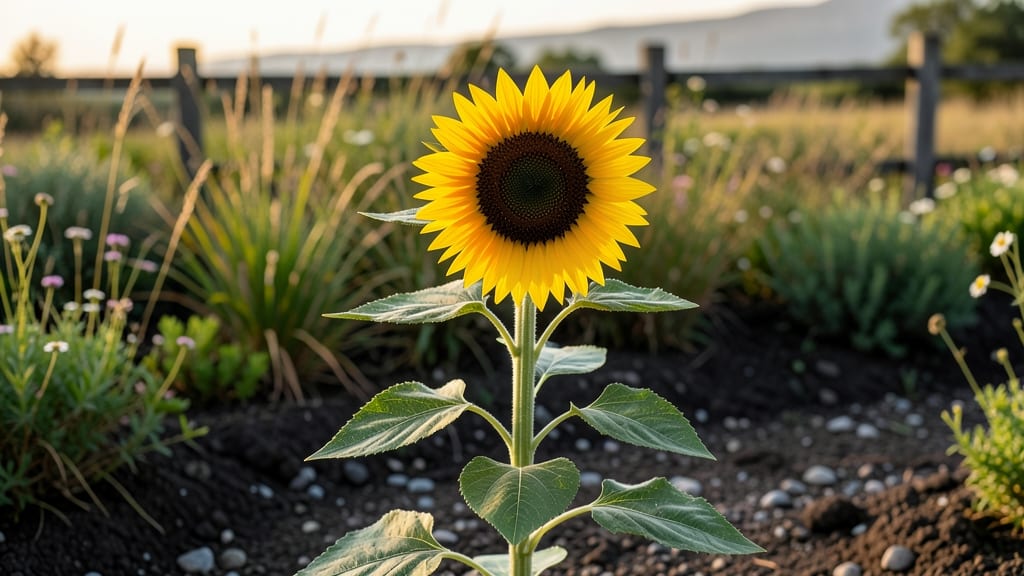
Understanding the black oil sunflower growth stages 🌻 is the key to growing these towering giants from seed to harvest—and skipping a single step can mean the difference between a bumper crop and a sad, stunted plant.
Picture this: a tiny seed tucked into warm soil, then a shoot pushing through the earth, followed by a 12-foot-tall powerhouse blooming in just three months. It’s a race against time, and knowing what to expect at each phase keeps your sunflowers on track.
From the first sprouts to the moment the seed heads turn dark and ready for harvest, every stage demands a different approach. Too little water here, and your seedlings wilt.
Skip the fertilizer now, and your blooms won’t last. I’ve seen it all—and I’m here to show you how to avoid the common pitfalls.
In this guide, I’ll walk you through each milestone, from germination to maturity, with month-by-month timelines, care tips, and troubleshooting tricks so you can grow healthy, thriving black oil sunflowers every time.


Black oil sunflower growth stages explained: key milestones from germination to maturity
Understanding the black oil sunflower growth stages transforms your gardening from guesswork to precision. These sunflowers follow four distinct phases—each with unique visual cues and care requirements—that determine your harvest's success.
From the first seedling sprouts to the mature seed head, knowing what to watch for helps you intervene at the right moment.
I’ve grown black oil sunflowers for years, and the difference between a 6-foot plant and a 12-foot giant often comes down to timing. Whether you’re monitoring leaf emergence or stem strength, each stage demands specific attention. Let’s break down what happens—and what you should do—at every milestone.
| Stage | Duration | Key Visual Cues | Critical Care |
|---|---|---|---|
| Germination | 7–14 days | First cotyledons (seed leaves) appear, 1-inch tall sprouts | Keep soil moist but not soggy, 60–75°F temps |
| Vegetative | 4–6 weeks | True leaves (serrated edges), stem thickens, reaches 3–6 feet | Stake if wind-prone, 1 inch water/week, fertilize with 10-10-10 |
| Flowering | 2–3 weeks | Bud swells, yellow petals open, dark center forms | Hand-pollinate if no bees, reduce water to ½ inch/week |
| Seed Development | 6–8 weeks | Seed head turns brown, back splits open, seeds rattle | Harvest when 90% dry, cut 2 inches above head |
The germination stage is where it all begins, and patience is key. Black oil sunflower seeds typically sprout within 7–14 days if soil temperatures stay between 60–75°F. I’ve seen seeds emerge faster in warm, direct sunlight, so avoid over-shading your seedlings.
During this phase, focus on keeping the soil consistently moist—not waterlogged—to prevent fungal diseases like damping-off.
Once your seedlings reach the vegetative stage, growth accelerates dramatically. You’ll notice true leaves with serrated edges replacing the initial cotyledons. This is when your sunflower’s stem strength becomes critical—especially if you’re in a windy area.
I recommend staking taller varieties early to prevent lodging. Monitor for pests like aphids and apply neem oil if needed.
Transitioning to the flowering stage, your sunflower will produce a bud that swells rapidly over 2–3 weeks. The yellow petals will open fully, revealing the dark center where seeds will develop.
This phase demands less water to prevent head rot, but don’t skip fertilizing—use a balanced 10-10-10 fertilizer to support seed formation. If your garden lacks pollinators, gently shake the flower heads to help seeds set.
The final seed development stage is where your patience pays off. The seed head will turn from green to brown/black, and you’ll hear seeds rattle when shaken. Harvest when the back of the head splits open—this ensures optimal oil content in the seeds.
Cut the head with 2 inches of stem attached and hang it upside down in a dry, dark place to finish drying.
Throughout all stages, soil health is non-negotiable. Black oil sunflowers thrive in well-draining soil with a pH of 6.0–7.5. Amend clay soil with compost to improve aeration, and avoid over-fertilizing, which can lead to excessive foliage at the expense of seed production.
My best harvests come from plants grown in loamy soil with regular mulching to retain moisture.
One common mistake I’ve seen is overwatering during flowering, which can cause the seed heads to rot. Always water at the base of the plant in the morning to allow foliage to dry quickly.
If you notice yellowing leaves or stunted growth, it’s often a sign of nutrient deficiency or pest damage. Address issues immediately—black oil sunflowers are resilient, but delays in care can reduce yield significantly.
By the time your black oil sunflowers reach maturity, you’ll have a 6–12-foot tower of seeds ready for harvest. Understanding each growth stage doesn’t just help you troubleshoot—it turns your garden into
Month-by-month timeline: when to expect critical growth phases in black oil sunflowers
Tracking your black oil sunflowers' growth month by month helps you anticipate milestones and address issues before they become problems. These sun-loving giants follow a predictable schedule, but regional climate zones and growing conditions can shift timelines by 1-2 weeks.
Let’s break down what to expect each month and how to optimize their progress.
In USDA Zones 6-9, most gardeners plant seeds in late spring (April-June) and harvest by late summer or fall. However, cooler zones may need to start seeds indoors 4-6 weeks earlier.
The key is understanding each growth phase’s duration and environmental needs to keep your plants on track for a bountiful harvest.
🌱
-
1
April-May: Germination (7-14 days)
Plant seeds 1" deep in well-draining soil with 60°F+ temperatures. Expect sprouts in 7-14 days. Thin seedlings to 18-24" apart once true leaves appear.
-
2
May-June: Vegetative Growth (4-6 weeks)
Stems grow 2-3" per day in full sun. Monitor for aphids or powdery mildew. Side-dress with compost when plants reach 12" tall to boost nutrient uptake.
-
3
June-July: Bud Formation (2-3 weeks)
Flower buds form at stem tips. Reduce watering slightly to prevent head rot. Stake tall varieties if stems exceed 3 feet to prevent lodging.
-
4
July-August: Flowering & Pollination (2-3 weeks)
Bright yellow blooms open daily. Hand-pollinate if rain reduces bee activity. Remove wilting flowers to redirect energy to seed development.
-
5
August-September: Seed Maturation (4-6 weeks)
Seed heads turn dark brown/black. Harvest when back of head splits and seeds rattle. Leave 2-3 heads per plant for maximum yield.
If your sunflowers stall at any stage, check for nutrient deficiencies (yellow leaves = nitrogen) or pests (chewed leaves = cutworms). In cooler climates, extend the season by planting a second crop in early July. For faster growth, use black plastic mulch to warm soil and reduce weeds.
🌻 By late September, most black oil sunflowers will have completed their lifecycle. Save seeds for next year or press flowers for long-lasting bouquets. With this timeline, you’ll know exactly when to expect each milestone—and how to troubleshoot if things go off schedule.